
How to Stop Puppy Biting Without Punishment
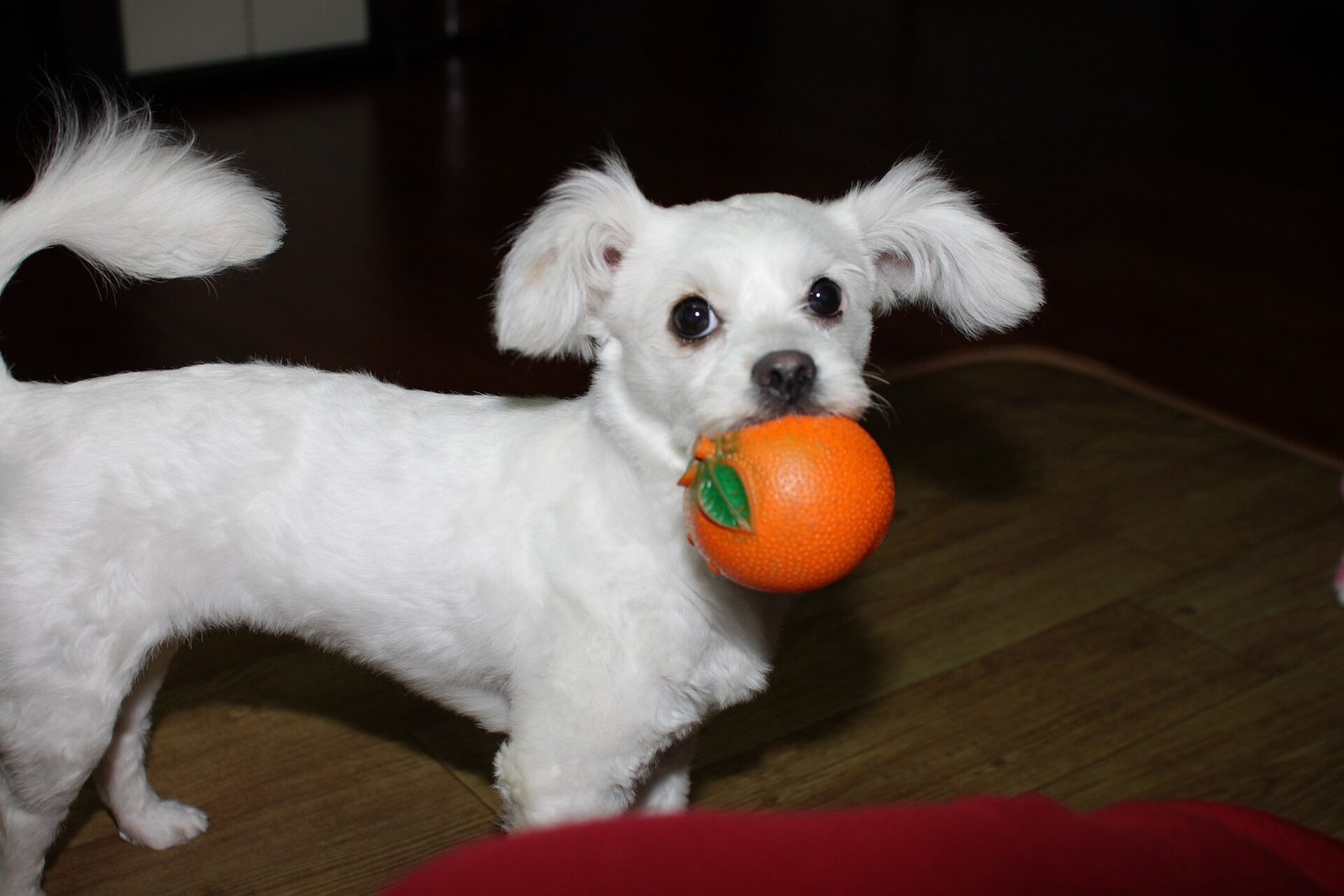
Puppy teeth are sharp, and the biting phase can test anyone's patience. The internet is full of harsh "fixes" — scruffing, muzzle-holding, alpha rolls — but you don't need any of them. You can teach your puppy a gentle, controlled mouth using kind, reward-based methods that build trust instead of fear. Here's the full toolkit.
First, manage the basics
Half the battle with puppy biting is prevention. Before any training, sort these out:
Prioritise rest
The most common cause of vicious evening biting is an over-tired puppy. Young puppies need a great deal of sleep, and a puppy who doesn't get it becomes wild and nippy — much like an overtired toddler. If your puppy turns into a "land shark" at the same time each day, try guiding them to a quiet rest spot before the meltdown. You'll often find the biting simply melts away with a nap.
Lower the arousal
Frantic, high-speed play winds puppies up and sharpens their teeth. Keep play sessions calmer and shorter, and build in pauses so excitement doesn't boil over into hard biting.
The core technique: redirect to a toy
This is your everyday workhorse. The instant teeth touch skin, calmly redirect your puppy onto something they are allowed to bite.
- Keep toys within reach in every room — chews, tug toys, soft toys.
- When your puppy mouths you, offer a toy instead. Wiggle it to make it interesting, and let them sink their teeth into that.
- Praise and play when they take the toy. You're teaching: "skin is not for biting, but this is."
Over many repetitions, your puppy learns to aim their mouth at appropriate objects, not your hands.
Teach that biting stops the fun
Puppies bite partly because it earns interaction. You can flip that around so that gentle play continues and hard biting ends it.
The pause method
When your puppy bites too hard during play, calmly stop. Stand up, fold your arms, and become boring for a few seconds — no drama, no scolding. The fun pauses. Then, when your puppy is calm, resume gently. Your puppy learns that soft mouths keep the game going and sharp teeth end it.
A quick note on yelping: a high "ouch!" works for some puppies but winds others up further. Watch your individual puppy — if a yelp excites them more, skip it and just go quiet and still.
Brief time-outs for the wild moments
If your puppy is too wound up to settle, a short, calm time-out helps. Gently step behind a baby gate or pop them in their playpen for a minute or two to decompress. This isn't punishment — it's a chance to reset. Bring them back out once they're calm.
Reward the behaviour you want
It's easy to only react to biting and forget to reward the good moments. Catch your puppy being gentle:
- When your puppy licks instead of bites, or mouths softly, praise warmly and keep playing.
- When your puppy chooses a toy on their own, tell them how clever they are.
- Reward calm settling, so quiet behaviour earns good things too.
The more you reinforce gentleness and calm, the more your puppy offers them.
Get the whole household on board
Consistency is everything. If one person allows rough hand-biting "because it's cute," your puppy gets mixed messages and progress stalls. Make sure everyone — kids included, with supervision — follows the same plan: redirect to a toy, pause the fun for hard bites, reward gentleness.
What never to do
Skip the harsh stuff: no scruffing, no holding the mouth shut, no alpha rolls, no smacking. The dominance framework behind these methods has been thoroughly debunked (Bradshaw, Blackwell & Casey, 2009), and confrontational techniques reliably provoke aggressive responses (Herron, Shofer & Reisner, 2009). These rely on fear, can teach your puppy that hands are scary, and may create defensiveness down the line. They also fail to teach the real skill — a soft, controlled mouth. Gentle methods build a dog who trusts you and chooses to be careful. Puppies who receive early positive socialisation develop better behavioural outcomes throughout life (Howell et al., 2015), and aversive training is consistently linked to poorer welfare (Ziv, 2017).
If you'd like a complete foundation plan for your puppy, our reward-based programs cover biting, manners, and confidence in a clear, step-by-step format. For the background on why puppies bite, see our companion guide on why puppies bite and mouth everything.
The takeaway
Manage rest and arousal, redirect to toys, let hard biting pause the fun, and reward gentleness — that's how you teach a soft mouth without a single harsh correction.
These methods aren't just for puppies. Adult dogs who still mouth, nip, or bite during play and greetings benefit from the same reward-based approach. Bite inhibition can be taught at any age — it just takes more patience. See our Gentle-Mouth Method for the complete protocol.
Want a plan tailored to your dog? Take the free 60-second quiz.
References
Bradshaw, J. W. S., et al. (2009). Dominance in domestic dogs — useful construct or bad habit? Journal of Veterinary Behavior, 4(3), 135-144.
Herron, M. E., et al. (2009). Survey of the use and outcome of confrontational and non-confrontational training methods. Applied Animal Behaviour Science, 117(1-2), 47-54.
Howell, T. J., et al. (2015). Puppy parties and beyond: the role of early age socialization practices on adult dog behavior. Veterinary Medicine: Research and Reports, 6, 143-153.
Appleby, D. L., Bradshaw, J. W. S., & Casey, R. A. (2002). Relationship between aggressive and avoidance behaviour by dogs and their experience in the first six months of life. Veterinary Record, 150(14), 434-438.
McEvoy, V., et al. (2022). Canine socialisation: A narrative systematic review. Animals, 12(21), 2895.
Puurunen, J., et al. (2020). Inadequate socialisation, inactivity, and urban living environment are associated with social fearfulness in pet dogs. Scientific Reports, 10, 3527.
Vieira de Castro, A. C., Fuchs, D., Morello, G. M., Pastur, S., de Sousa, L., & Olsson, I. A. S. (2020). Does training method matter? Evidence for the negative impact of aversive-based methods on companion dog welfare. PLOS ONE, 15(12), e0225023.
Ziv, G. (2017). The effects of using aversive training methods in dogs—A review. Journal of Veterinary Behavior, 19, 50-60.
- Keep toys in every room and redirect teeth from skin to a toy instantly
- When biting gets hard, stand up, fold arms, become boring — then resume when puppy calms
- Use a baby gate or playpen for brief time-outs when the puppy is too wound up to settle
- Catch and praise gentle mouth contact and calm settling — reward what you want to see more of
- Get the whole household on the same plan — inconsistency stalls progress
- Most evening biting spikes are caused by over-tiredness, not aggression — a nap often fixes it
- Harsh corrections (scruffing, muzzle holds, alpha rolls) teach puppies that hands are scary and create defensiveness
- The dominance framework behind punitive methods has been thoroughly debunked by research
- Bite inhibition — controlling bite force — is one of the most valuable lessons of puppyhood
Want to go deeper?
The Gentle-Mouth Method is our step-by-step audio programme for biting & mouthing. An 18-lesson audio program for dogs who bite: teach bite inhibition at any age, manage arousal-driven mouthing, and build a soft-mouthed dog. Force-free and science-backed.
See The Gentle-Mouth Method →