
Building a Reliable Recall With Rewards
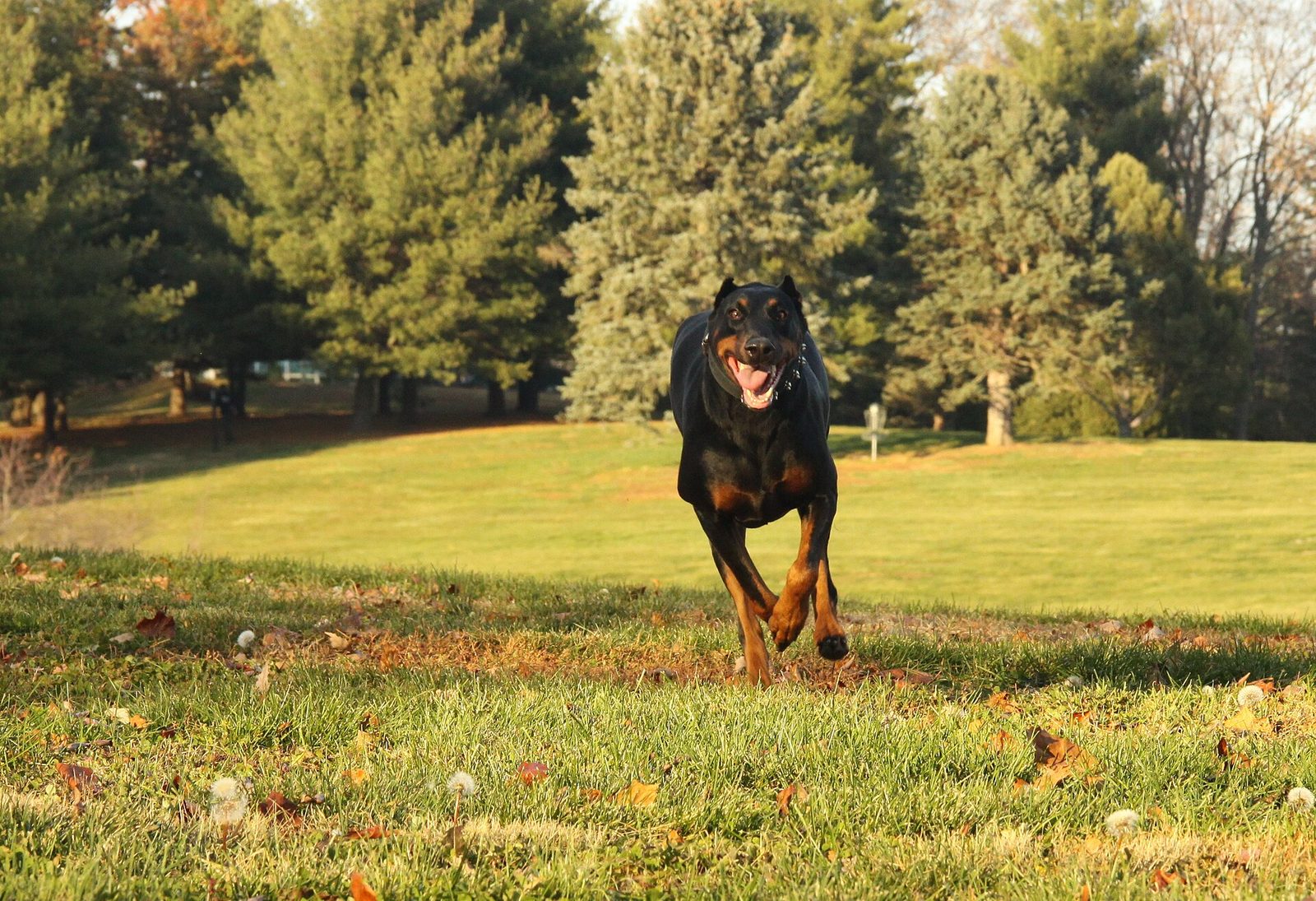
A reliable recall is the single most valuable thing you can teach your dog. It means freedom for them and peace of mind for you — and in an emergency, it can save your dog's life. The best part: you build it entirely with rewards. A dog who comes running because it's the best choice in the world is far more reliable than one who comes out of fear.
The one principle that makes recall work
Everything below rests on a single idea: coming when called must always, always pay off. Every recall, especially while you're training, should earn something your dog genuinely loves. When returning to you is consistently the best deal available, your dog stops weighing their options and just comes.
This is why reward-based recall outperforms correction-based methods. Food rewards are more effective than verbal praise alone as reinforcers (Fukuzawa & Hayashi, 2013), and dogs trained with rewards learn faster and show fewer problem behaviours overall (Rooney & Cowan, 2011). Punishment teaches a dog to avoid consequences; rewards teach a dog to want to come. We only ever use force-free methods at Pup Class, and recall is where that approach truly shines.
Step 1: Charge up your cue indoors
Start where it's easy and boring — your living room.
- Choose your recall word or whistle. Say it once, then immediately deliver a small jackpot of treats. At this stage you're not even asking your dog to move; you're teaching that the cue predicts something wonderful.
- Repeat over several short sessions until your dog's ears perk and they spin toward you the instant they hear it. That bright, hopeful response is your foundation.
Step 2: Add distance and movement
Now make your dog travel for the reward.
The recall game
With a helper, or by tossing a treat away and then calling, get your dog moving toward you from a few steps away. The moment they commit and come, mark it ("yes!") and pay generously when they arrive. Gradually increase the distance across sessions.
Make arrival a party
When your dog reaches you, make it brilliant — treats, praise, a quick game. You want your dog thinking "coming back is the best thing that happens to me." A flat "good boy" won't compete with the outside world; real enthusiasm will.
Step 3: Proof it against distractions
Dogs don't automatically apply a skill everywhere. A recall that's perfect in the kitchen can fall apart in the park, because the distractions are a hundred times stronger. So you raise difficulty gradually:
- Move to the garden, then a quiet outdoor space, then busier ones.
- Use a long line — a 5 to 10 metre lead — so your dog can roam but can never practise ignoring you. This is the key safety net. It lets your dog enjoy freedom while you build reliability, without rehearsing failure.
- Raise your reward value as the environment gets harder. Reward-based methods are consistently more effective than punishment for building reliable responses (Hiby, Rooney & Bradshaw, 2004; Vieira de Castro et al., 2021). Around big distractions, break out the good stuff — roast chicken beats kibble when there's a squirrel to compete with.
Only ditch the long line in safe, enclosed areas once your dog is responding reliably with it on.
Step 4: Protect the cue
A reliable recall stays reliable only if you guard it:
- Never punish a return. Even a slow or distracted dog gets a warm welcome. Punishing arrival is the fastest way to break recall.
- Don't always end the fun. If "come" only ever means the walk is over, your dog learns to dodge it. Often, call your dog, reward, and release them back to play.
- Don't call if you can't back it up. If you're not confident your dog will come, go and get them instead of repeating the cue into the void. Every ignored call weakens the word.
Building an emergency recall
It's worth training a second, ultra-special cue reserved only for emergencies — a unique sound that always produces a massive reward and is never used casually. Because it stays rare and always pays out big, it carries extra power when you truly need it.
If you'd like the complete, follow-along version of this method — including proofing and the emergency recall — our reward-based programs walk you through it lesson by lesson.
The takeaway
A bombproof recall is built on one simple promise kept thousands of times: coming back is always worth it. Make it pay, build it gradually, never punish a return, and your dog will come running. Want a recall plan matched to your dog? Take the free 60-second quiz.
References
China, L., Mills, D. S., & Cooper, J. J. (2020). Efficacy of dog training with and without remote electronic collars vs. a focus on positive reinforcement. Frontiers in Veterinary Science, 7, 508.
Fukuzawa, M., & Hayashi, N. (2013). Comparison of 3 different reinforcements of learning in dogs. Journal of Veterinary Behavior, 8(4), 221-224.
Hiby, E. F., et al. (2004). Dog training methods: their use, effectiveness and interaction with behaviour and welfare. Animal Welfare, 13, 63-69.
Rooney, N. J., & Cowan, S. (2011). Training methods and owner-dog interactions. Applied Animal Behaviour Science, 132(3-4), 169-177.
Vieira de Castro, A. C., et al. (2021). Improving dog training methods: Efficacy and efficiency of reward and mixed training methods. PLOS ONE, 16(2), e0247321.
Seligman, M. E. P., & Maier, S. F. (1967). Failure to escape traumatic shock. Journal of Experimental Psychology, 74(1), 1-9.
Jagoe, A., & Serpell, J. A. (1996). Owner characteristics and interactions and the prevalence of canine behaviour problems. Applied Animal Behaviour Science, 47(1-2), 31-42.
- Charge the cue indoors first — say it once, then deliver a treat jackpot before asking for movement
- Use a long line (5-10m) outdoors so your dog can't practise ignoring you
- Raise reward value as distractions increase — roast chicken beats kibble near squirrels
- Never punish a return, even a slow one — every arrival gets a warm welcome
- Call, reward, then release back to play so 'come' doesn't always end the fun
- Recall works because coming back is always the best deal available — it's a cost-benefit calculation your dog runs every time
- Food rewards are substantially more effective than verbal praise alone as reinforcers
- A poisoned cue (one that predicts bad things) must be replaced with a fresh word or whistle
- Train a separate emergency recall cue that stays rare and always pays out big
Want to go deeper?
Speak Dog — The Bombproof Recall System is our step-by-step audio programme for recall. A 12-lesson audio program that rebuilds your dog's recall from the ground up — reward-based, distraction-proofed, and reliable when it matters most.
See Speak Dog — The Bombproof Recall System →