
Signs of Separation Anxiety in Dogs
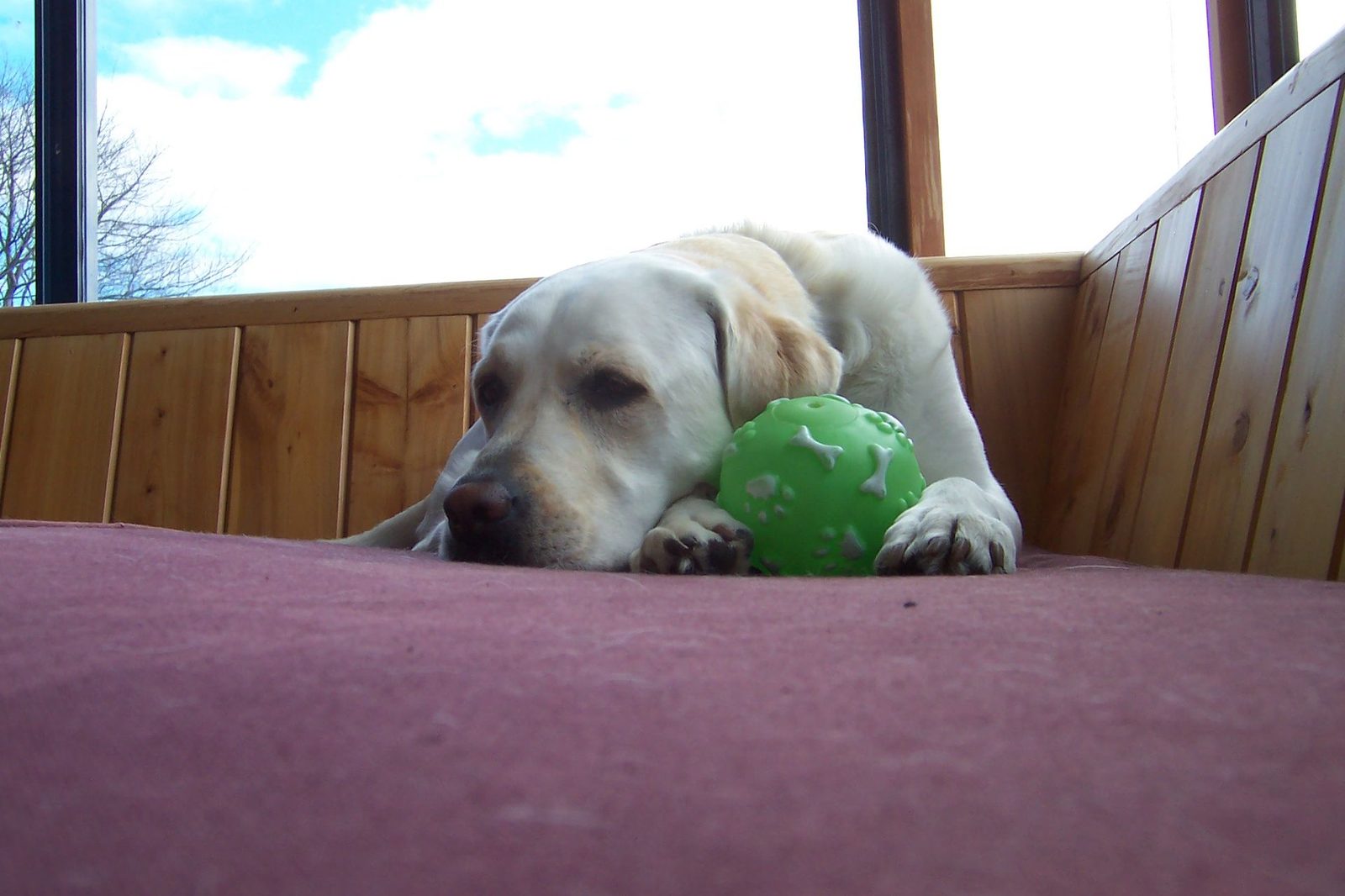
You come home to a chewed door frame, a complaint from the neighbours about barking, or a puddle by the entrance — and it's easy to assume your dog is being spiteful or "punishing" you for leaving. They're not. For many dogs, these behaviours are signs of genuine panic at being left alone. Recognising separation anxiety for what it is changes everything about how you help.
Separation anxiety is panic, not protest
Dogs are deeply social animals. For some, being left alone triggers real distress — the canine equivalent of a panic attack. Separation anxiety is one of the most commonly reported canine behavioural disorders (Ogata, 2016), and it is a leading behavioural reason dogs are relinquished to shelters (Salman et al., 2000). The behaviours that follow aren't planned revenge or stubbornness; they're a frightened animal trying to cope or escape. Understanding this matters, because panic and naughtiness call for completely different responses.
Common signs to watch for
No single sign confirms separation anxiety, but a cluster of these — happening specifically when your dog is alone or about to be — is a strong indicator. Risk factors include being acquired from a shelter and a history of being rehomed (Flannigan & Dodman, 2001).
Vocalising
Persistent barking, howling, or whining that starts soon after you leave. Neighbours noticing noise while you're out is often the first clue owners get.
Pacing and restlessness
A dog who can't settle — pacing the same path, moving from door to window, unable to lie down and relax once you've gone.
Destruction near exits
Chewing or scratching focused on doors, window frames, or the spots where you left from. Damage clustered around exits points to escape attempts, not random mischief.
Toileting indoors
A fully house-trained dog having accidents only when left alone. This is a stress response, not a lapse in training.
Refusing food when alone
A dog who won't touch a stuffed toy or treat you leave behind, then devours it the moment you return, is usually too anxious to eat while alone.
Over-the-top greetings
Frantic, prolonged excitement when you come home — far beyond a normal happy hello — can reflect how stressful the absence was.
Distress before you even leave
Some dogs start to worry at your "leaving cues" — picking up keys, putting on shoes, grabbing a coat — and become anxious before you're out the door.
Why punishment can't work
When you come home to a mess, scolding feels natural. But your dog cannot connect a telling-off now to something they did an hour ago out of panic. All punishment does is add fear to an already frightened dog, and it can make the anxiety worse. The kind and effective path is to reduce the panic itself, not to punish its symptoms.
We only ever recommend reward-based, force-free methods at Pup Class, and separation distress is a clear case where gentleness isn't just nicer — it's what actually works.
The path forward, in brief
Helping a dog learn to be alone is about building a feeling of safety in small, manageable steps:
- Start below the point of panic. Systematic desensitisation — gradually increasing absence duration while keeping the dog below their distress threshold — is the evidence-based approach for separation-related problems (Butler et al., 2011). Work with absences so short your dog stays relaxed — even just stepping out and coming straight back.
- Build duration gradually. Extend alone-time slowly, always staying under the threshold where distress kicks in.
- Defuse the leaving cues. Practise picking up your keys or putting on your coat without actually leaving, so those signals stop predicting abandonment.
- Make the environment calm. Comfortable space, background sound, and something good to enjoy can help — but only once your dog is calm enough to take it.
- Go at your dog's pace. This is a confidence-building process, not a test of willpower. Pushing too fast tends to deepen the panic.
Because separation anxiety can be intense, a structured plan makes a real difference. Our Home Alone program walks you through gradual absence training step by step, and you can explore all our reward-based programs to find the right fit.
The takeaway
Barking, pacing, and accidents when you leave are signs of fear, not spite — and fear responds to patience and a gentle plan, never to punishment. Want to know how severe your dog's separation distress might be and where to start? Take the free 60-second quiz.
References
Butler, R., et al. (2011). The efficacy of systematic desensitization for treating the separation-related problem behaviour of domestic dogs. Applied Animal Behaviour Science, 129(2-4), 136-145.
Flannigan, G., & Dodman, N. H. (2001). Risk factors and behaviors associated with separation anxiety in dogs. JAVMA, 219(4), 460-466.
Ogata, N. (2016). Separation anxiety in dogs. Journal of Veterinary Behavior, 16, 28-35.
Salman, M. D., et al. (2000). Behavioral reasons for relinquishment of dogs and cats to 12 shelters. JAAWS, 3(2), 93-106.
Vieira de Castro, A. C., Fuchs, D., Morello, G. M., Pastur, S., de Sousa, L., & Olsson, I. A. S. (2020). Does training method matter? Evidence for the negative impact of aversive-based methods on companion dog welfare. PLOS ONE, 15(12), e0225023.
de Assis, L. S., et al. (2020). Developing diagnostic frameworks in veterinary behavioral medicine: Disambiguating separation related problems in dogs. Frontiers in Veterinary Science, 6, 499.
Konok, V., Doka, A., & Miklosi, A. (2011). The behavior of the domestic dog during separation from and reunion with the owner. Applied Animal Behaviour Science, 135(4), 300-308.
Salonen, M., et al. (2020). Prevalence, comorbidity, and breed differences in canine anxiety in 13,700 Finnish pet dogs. Scientific Reports, 10, 2962.
Tiira, K., & Lohi, H. (2015). Early life experiences and exercise associate with canine anxieties. PLoS ONE, 10(11), e0141907.
- Look for clusters of signs — vocalising, pacing, exit destruction, indoor accidents — that happen only when your dog is alone
- Never punish separation anxiety symptoms; your dog cannot connect a scolding to something done hours ago in panic
- Start with absences so short your dog stays relaxed, then build duration gradually
- Practise picking up keys and putting on shoes without leaving to defuse departure cues
- Go at your dog's pace — pushing too fast deepens the panic
- Separation anxiety is genuine panic, not spite or protest — it is one of the most common canine behavioural disorders
- Destruction clustered around exits points to escape attempts, not random mischief
- A dog who refuses food when alone but eats immediately on your return is too anxious to eat
- Risk factors include shelter acquisition and a history of being rehomed
Want to go deeper?
Home Alone — Separation Confidence Method is our step-by-step audio programme for separation anxiety. A 12-lesson audio program that teaches your dog to relax when you leave — no punishment, no panic, just science-backed graduated exposure.
See Home Alone — Separation Confidence Method →