
Dog Dementia Symptoms: A Complete Guide
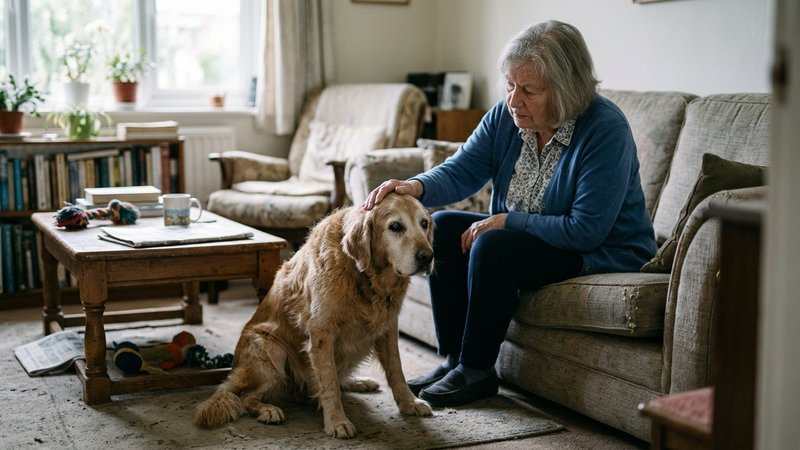
If your dog has started seeming a little lost in familiar places, or waking you at odd hours with restless pacing, you are not imagining things — and you are not alone. Cognitive Dysfunction Syndrome (CDS), often called dog dementia, is a real and recognised condition in older dogs. Spotting the early signs gives you and your vet the best chance of making life comfortable and meaningful for your dog for as long as possible.
What Is Canine Cognitive Dysfunction?
Canine Cognitive Dysfunction is an age-related neurological condition that affects how dogs think, remember, and process the world around them. It works a little like dementia in humans — changes in the brain gradually affect a dog's awareness, memory, and behaviour. It is not a character flaw, a training failure, or something your dog is choosing to do. Understanding that is the first step toward helping them well.
The Core Dog Dementia Symptoms to Watch For
Vets often use the acronym DISHA to group the most recognised dog dementia symptoms together. It is a helpful mental checklist.
Disorientation
Your dog may seem confused in familiar spaces — getting stuck in corners, staring at walls, or appearing to forget why they walked into a room. They might not respond to their name the way they used to, or they may walk past their food bowl without noticing it.
Interactions Changing
A dog who was once sociable may become withdrawn, clingy, or even mildly irritable. Equally, a dog who was independent might suddenly shadow you everywhere. Neither is "naughty" — it is the condition affecting how they process social information.
Sleep–Wake Cycle Disruption
Nighttime restlessness is one of the most commonly reported dog dementia symptoms by owners. Your dog may sleep heavily during the day and then pace, whine, or seem wide awake and unsettled through the night. This is genuinely distressing for both of you, and it is worth flagging to your vet early.
House-Training Accidents
A dog who has been reliably toilet-trained for years may begin having accidents indoors. This can happen because they forget they need to go out, forget they have already been, or simply lose track of where they are. React with patience — this is not wilful behaviour.
Activity and Anxiety Changes
You might notice your dog seems less interested in play, greets you less enthusiastically, or appears generally more anxious. Some dogs repeat the same behaviour in loops, such as walking the same small circuit around the room.
What to Do When You Notice These Signs
Step 1 – Write It Down Before the Vet Appointment
Vets cannot see behaviour that happens at 3am. Keep a simple diary for a week or two — note which dog dementia symptoms you see, when they happen, and how long they last. Video clips on your phone are genuinely useful. This gives your vet a much richer picture than a verbal summary in a short appointment.
Step 2 – Book a Veterinary Check-Up
Several medical conditions — pain, vision loss, hearing decline, thyroid issues — can mimic or worsen cognitive symptoms. Your vet needs to rule those out or treat them before attributing everything to CDS. This is not a step to delay.
Step 3 – Keep Their World Predictable and Calm
Dogs with cognitive changes rely on routine even more than they used to. Feeding, walks, and bedtime at consistent times reduce the cognitive load on a brain that is already working harder than usual. Keep furniture in familiar positions, and make sure water and rest spots are easy to find.
Step 4 – Use Gentle, Reward-Based Engagement to Support the Brain
Short, positive training sessions — even just a few minutes of easy, familiar cues rewarded with a favourite treat — provide gentle mental stimulation without overwhelming a dog whose processing is slower. The reason this works is that reward-based learning releases feel-good neurochemicals and keeps neural pathways active. You are not trying to teach new tricks; you are offering familiar, successful moments that feel good. If you would like structured ideas for keeping older dogs engaged, take a look at our training programmes for gentle, low-pressure options.
Step 5 – Adapt the Environment
Non-slip mats on hard floors help dogs who are unsteady. A nightlight can reduce anxiety-driven disorientation in the dark. Keeping their sleeping area close to you can reduce nighttime distress without any training at all — just proximity and warmth.
Step 6 – Talk to Your Vet About Supportive Options
There are dietary supplements, prescription diets, and medications your vet may discuss depending on your dog's individual picture. These decisions belong with your veterinary team — your job is to arrive informed and with good notes.
Not Sure Where to Start?
If you are noticing changes but are not certain what you are seeing, our free 60-second quiz can help point you in a useful direction.
Recognising dog dementia symptoms early — and responding with patience, structure, and your vet's guidance — is one of the most loving things you can do for an older dog.
Struggling with the same thing?
Take the free 60-second quiz and get a science-based plan — results sent straight to your inbox.
Take the quiz →Prefer to read first? Grab the free 20-page guide →