
Dog Cognitive Dysfunction: A Complete Guide
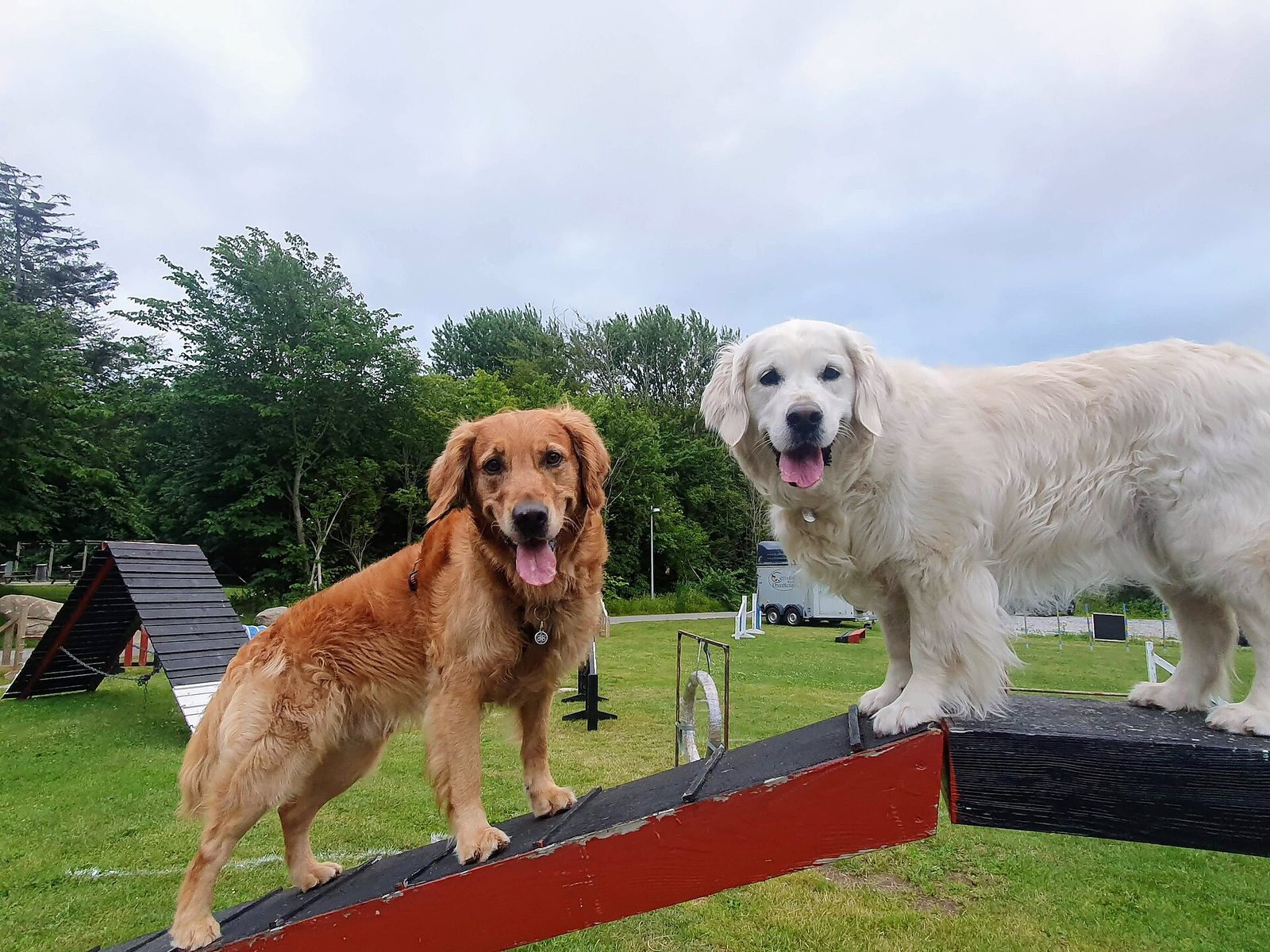
If your once-bright dog has started wandering the house at night, staring blankly at walls, or forgetting routines they've known for years, it can feel unsettling and a little heartbreaking. You're not imagining it, and you're not alone. Dog cognitive dysfunction — sometimes called canine cognitive dysfunction syndrome, or CDS — is a recognised condition in older dogs that affects memory, awareness, and behaviour. The good news is that there is plenty you can do, starting today, to support your dog's quality of life and keep their mind as active and comfortable as possible.
What Is Dog Cognitive Dysfunction?
Dog cognitive dysfunction is a neurological condition associated with ageing. It shares some similarities with dementia in humans — the brain changes in ways that affect how a dog processes information, remembers familiar things, and navigates their environment. It typically appears in senior dogs, though the age of onset varies from dog to dog.
Because the changes happen gradually, many owners first put the signs down to "just getting old." Knowing what to look for makes a real difference.
Common Signs to Watch For
- Disorientation — getting stuck in corners, staring into space, or seeming confused in familiar rooms
- Disrupted sleep-wake cycles — restlessness or vocalising at night
- Changes in social behaviour — less interest in greetings, or clinginess that is new
- House-training accidents after years of reliability
- Reduced engagement with toys or activities they previously enjoyed
- Forgetting learned cues or routines
If you're noticing a cluster of these, a vet visit is the right first step. Some causes of similar symptoms (thyroid changes, pain, sensory loss) are treatable, so ruling those out matters.
How to Support a Dog With Cognitive Dysfunction
1. Keep Their Environment Predictable
Dogs with CDS struggle more when their surroundings change unexpectedly. Try to keep furniture in consistent positions so your dog can navigate by memory and muscle recall. If your dog has started bumping into things at night, a low night light can help them orient themselves without distress.
Predictable daily routines — walks, meals, rest — act as anchors. When the sequence of the day is reliable, your dog doesn't have to work as hard to figure out what comes next.
2. Use Positive Reinforcement to Gently Re-teach Familiar Cues
If your dog seems to have "forgotten" a cue they once knew, that's not stubbornness — it's a symptom. The encouraging news is that reward-based training actively engages the brain in a gentle, low-pressure way. Short sessions using treats, praise, or whatever your dog finds rewarding can help reinforce neural pathways through positive association.
Keep sessions brief — a few minutes at a time — and end on success. The goal isn't perfect performance; it's pleasant mental engagement. If you'd like structured support, our reward-based training programmes are designed to adapt to dogs at every life stage.
3. Offer Regular, Gentle Mental Enrichment
The brain benefits from use, even an ageing one. Sniff-focused activities are especially valuable because the olfactory system often stays robust longer in dogs with CDS. Scatter feeding (hiding kibble in grass or a snuffle mat), gentle nose-work games, and slow exploratory walks where your dog leads with their nose are all low-effort, high-reward ways to keep the brain engaged.
Puzzle feeders can work well too — just choose ones that aren't too frustrating. A puzzle that causes repeated failure will only add stress, so start simple and adjust to your dog's current ability.
4. Protect Their Sleep and Rest
Disrupted nights are one of the harder symptoms for both dogs and owners. Giving your dog a comfortable, familiar sleeping spot — ideally near you if they're used to that — can reduce nighttime anxiety. Gentle, predictable wind-down routines before bed (a short calm walk, a chew, settling in their usual spot) signal that it's time to rest.
Avoid anything that ramps up arousal in the evening. Calm, low-stimulation evenings support better sleep.
5. Work Closely With Your Vet
This is worth saying clearly: dog cognitive dysfunction has an increasing number of veterinary support options, including dietary supplements and medications that some dogs respond well to. Your vet is your most important partner here. Regular check-ins allow you to track changes and adjust your approach as your dog's needs shift.
Keep a simple diary of the signs you're noticing — what, when, and how often. That information is genuinely useful for your vet and helps you see patterns you might otherwise miss.
Building Confidence in the Uncertainty
Living with a dog who has cognitive dysfunction involves adjusting your expectations — not lowering them, but shifting them. Success looks like a calm afternoon nap, a few minutes of happy sniffing, a tail wag when you walk in. Those moments matter. Reward-based approaches work so well here precisely because they meet your dog exactly where they are, without pressure or punishment.
Not sure where to start with gentle brain enrichment activities for your dog? Take our free 60-second quiz to find the approach that fits your dog's life right now.
The most important thing you can offer a dog with cognitive dysfunction is a calm, consistent world — and a patient, loving person in it.
Struggling with the same thing?
Take the free 60-second quiz and get a science-based plan — results sent straight to your inbox.
Take the quiz →Prefer to read first? Grab the free 20-page guide →