
Dog Car Anxiety: A Complete Guide
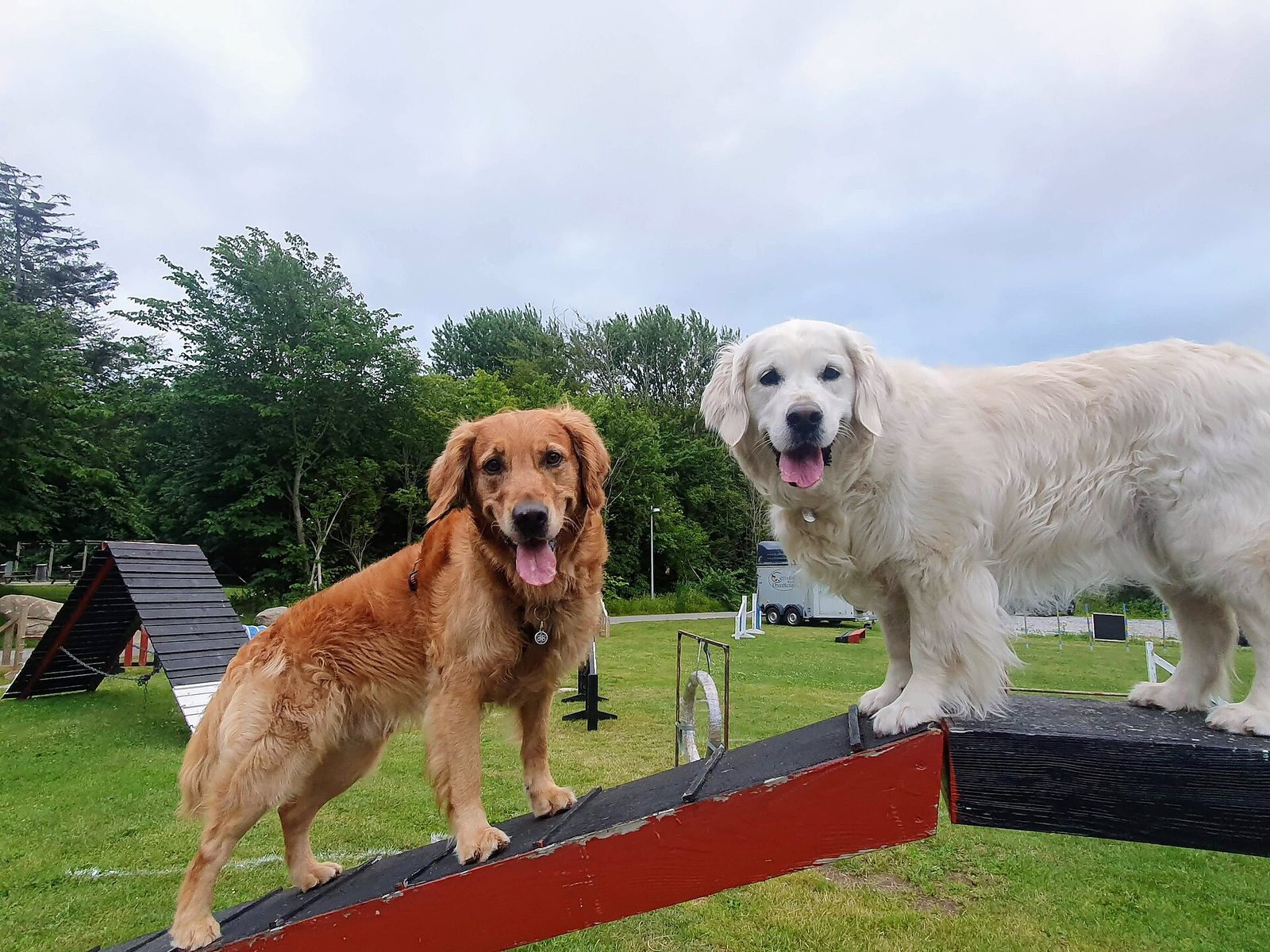
If your dog trembles the moment you reach for your car keys, refuses to jump in, or arrives at every destination soaked in drool, you are not alone — and there is nothing wrong with your dog. Car anxiety is one of the most common concerns dog owners bring to trainers, and the good news is that it responds really well to patient, reward-based work. This guide walks you through exactly how to help your dog feel safe on the road, starting today.
Why Dogs Develop Car Anxiety
Understanding the why makes the training make sense.
For many dogs, the car is simply unfamiliar — a strange, moving, noisy environment that nobody ever helped them get comfortable with. For others, every car ride has historically ended somewhere stressful: the vet, the groomer, a boarding kennel. The dog has learned to predict that the car means something unpleasant is coming.
Some dogs that vomit every car ride or drool in the car are experiencing genuine motion sickness rather than — or alongside — emotional anxiety. These two things overlap and reinforce each other: feeling physically unwell makes a dog more anxious, and anxiety makes nausea worse. If your dog gets car sick consistently, it is worth a quick conversation with your vet before you begin training, as there are safe, effective options that can take the physical edge off while you work on the emotional side.
The great news is that dogs learn through association. If we can replace the current association — car = bad — with a new one — car = great things happen — the anxious response genuinely changes.
Step 1: Start Way Before the Car
If your dog won't get in the car or panics in the car, asking them to simply hop in and "get used to it" tends to backfire. Instead, begin your training at a distance where your dog is relaxed and curious, not frightened.
How to do it
- Bring your dog outside near the parked, switched-off car. The moment they show calm interest — sniffing toward it, looking at it without tension — mark that moment (a cheerful "yes!" works fine) and offer a treat.
- Repeat this over several short sessions until your dog is clearly happy to hang around near the car.
- Gradually move closer over days or even weeks, depending on your dog's starting point. There is no rush.
This is the core of how to desensitize a dog to the car: you work just below the threshold that triggers stress, pair calm behaviour with something your dog loves, and build up systematically.
Step 2: Introduce the Car in Stages
Once your dog is comfortable near the car, work through these stages one at a time — only moving on when your dog looks genuinely relaxed, not just tolerating.
The stages
- Touch the car door — reward your dog for sniffing or touching the door with their nose.
- Open the door — let them investigate the opening without any pressure to get in.
- Paws up — reward any attempt to put front paws in, then let them step back out freely.
- All the way in — once they are comfortable, reward them generously for being fully inside, then immediately let them out again. Short and sweet wins here.
- Engine on — sit in the car with the engine running, going nowhere, and feed treats throughout.
- Very short drives — a trip to the end of the road and back, finishing with something your dog loves.
This is positive reinforcement car training in action: every small step your dog takes toward the car becomes a moment worth celebrating.
Step 3: Choose the Right Setup for the Journey
A dog that feels physically secure is often calmer. Two popular options are a dog crate for car travel and a dog car harness. When weighing up dog car harness vs crate, think about your dog's individual preference — some dogs find a crate's enclosed feeling genuinely reassuring, while others prefer being able to see out. Both can be introduced using the same gradual, reward-based approach above.
Whichever you choose, never use the car as a place for time-outs or anything your dog finds unpleasant — you want the association to stay positive.
Step 4: Build Positive Destinations Into Your Routine
If every car ride ends somewhere fun — a favourite walk, a friend's garden, a training session through one of our structured reward-based programmes — your dog begins to predict good things rather than bad. Over time, a dog that whines in the car or a dog scared of car rides can genuinely become a dog that bounds toward the vehicle.
Not sure where your dog's training needs are right now? Take our free 60-second quiz to get a personalised starting point.
One Last Thing
Patience is the real skill here — progress measured in weeks feels slow, but it tends to stick. Start small, keep sessions short and positive, and trust that your dog is doing their best with what they know right now.
Struggling with the same thing?
Take the free 60-second quiz and get a science-based plan — results sent straight to your inbox.
Take the quiz →Prefer to read first? Grab the free 20-page guide →