
Dog Bored What To Do: A Complete Guide
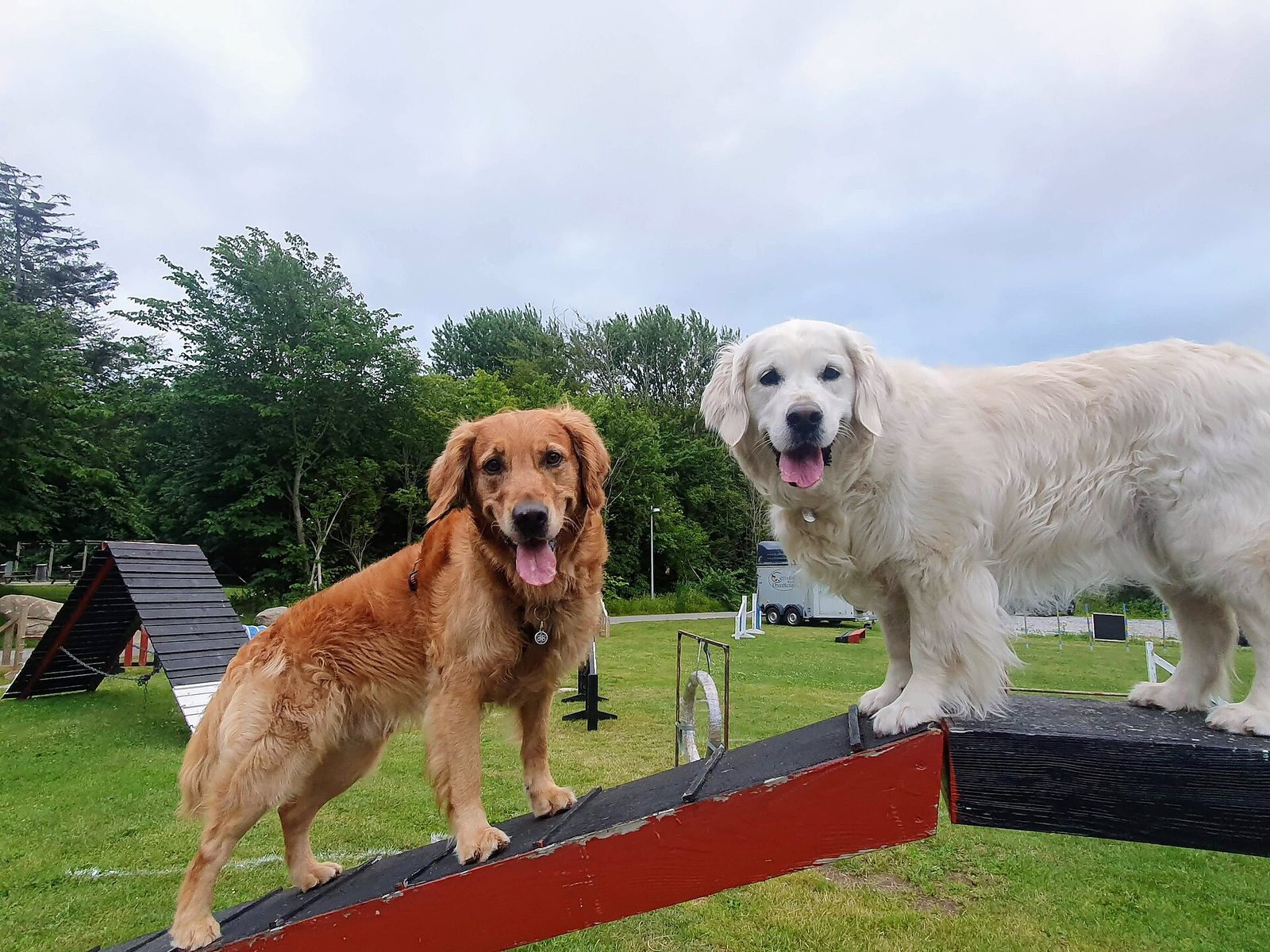
If your dog has been stealing socks, barking at nothing, or shadowing you from room to room, chances are you already know something is off. A bored dog isn't being naughty — they're simply under-stimulated and doing what comes naturally: finding their own entertainment. The good news is that figuring out dog bored what to do is very much a solvable problem, and the solutions are genuinely enjoyable for both of you.
How to Tell Your Dog Is Bored
Before diving into fixes, it helps to recognise the signs. A bored dog often shows one or more of the following:
- Destructive chewing on furniture, shoes, or household items
- Excessive barking or whining with no obvious trigger
- Restlessness — pacing, unable to settle
- Attention-seeking behaviours like pawing, nudging, or jumping
- Over-grooming or repetitive behaviours like tail-chasing
These aren't personality flaws. They're communication. Your dog is telling you their cup isn't full.
Why Mental Stimulation Matters as Much as Physical Exercise
A long walk is wonderful, but it only addresses one kind of tiredness. Dogs — especially working, herding, and terrier breeds — have brains that need a job to do. When the brain is well-exercised, dogs tend to settle more easily and feel more content overall.
Research into animal cognition shows that solving problems is intrinsically rewarding for dogs. When a dog figures something out and gets a payoff (a treat, praise, or play), the brain releases feel-good signals that reinforce that problem-solving behaviour. In plain terms: thinking is fun for dogs, and making it rewarding makes it even better.
This is the foundation of reward-based training — you're not just teaching manners, you're giving your dog something meaningful to do with their energy.
Practical Steps to Tackle Dog Boredom Today
1. Turn Meals Into Brain Games
Instead of dropping food into a bowl, use mealtimes as an opportunity. A snuffle mat, lick mat, or simple scatter feed across the grass turns eating into a satisfying foraging experience. For a free version, hide kibble inside a scrunched-up towel secured with loose knots. This taps into your dog's natural scenting instinct and can make a meal last considerably longer — with far more satisfaction at the end.
2. Teach a New Trick
This is one of the most effective answers to dog bored what to do, and it requires nothing more than five minutes and some small, tasty treats. Choose something simple — a chin rest, a spin, or "go to your mat." Keep sessions short and upbeat. Dogs learn best in brief, positive bursts rather than long drills, so little-and-often is the golden rule. If you'd like a structured path through these skills, take a look at our training programs for step-by-step reward-based guidance.
3. Add Nose Work Into Daily Walks
Letting your dog sniff on walks isn't slacking off — it's a deeply enriching activity. Allow your dog to lead the pace and investigate scents freely for part of the walk. You can make it more deliberate by hiding a treat or favourite toy in long grass and encouraging your dog to find it. Nose work is genuinely tiring in the best possible way and costs you nothing extra.
4. Introduce Puzzle Feeders Gradually
Commercial puzzle toys range from beginner to advanced. If your dog is new to them, start easy so they experience success quickly. A dog that gets frustrated and gives up has learned that puzzles aren't worth trying — the opposite of what you want. Build difficulty slowly so every session ends with your dog feeling capable and rewarded.
5. Build in Social Interaction
Some dogs are bored not because of a lack of things but because of a lack of you. Short training games, a gentle grooming session, or even a game of tug can refill the social tank. Tug is a great example of a game that gets a bad reputation but is actually excellent for dogs when played with clear start and stop cues — reinforcing self-control rather than undermining it.
6. Rotate Toys to Keep Things Fresh
Dogs habituate to the same toys left out all the time. Try rotating a small selection, putting some away and bringing them back after a few days. A "new" toy reappears with novelty and interest restored.
If Boredom Feels Persistent or Severe
If your dog seems bored despite these efforts, or if you notice anxiety alongside the boredom, it may be worth exploring a more tailored approach. Our reward-based training programs can help you build a daily enrichment routine that suits your specific dog's breed, age, and personality. You can also take the free 60-second quiz on our homepage to find out which program fits your dog best.
A bored dog is simply a dog whose needs haven't been fully met yet — and you already have everything you need to start changing that today.
Struggling with the same thing?
Take the free 60-second quiz and get a science-based plan — results sent straight to your inbox.
Take the quiz →Prefer to read first? Grab the free 20-page guide →