
Dog Aggression Towards New Puppy: A Complete Guide
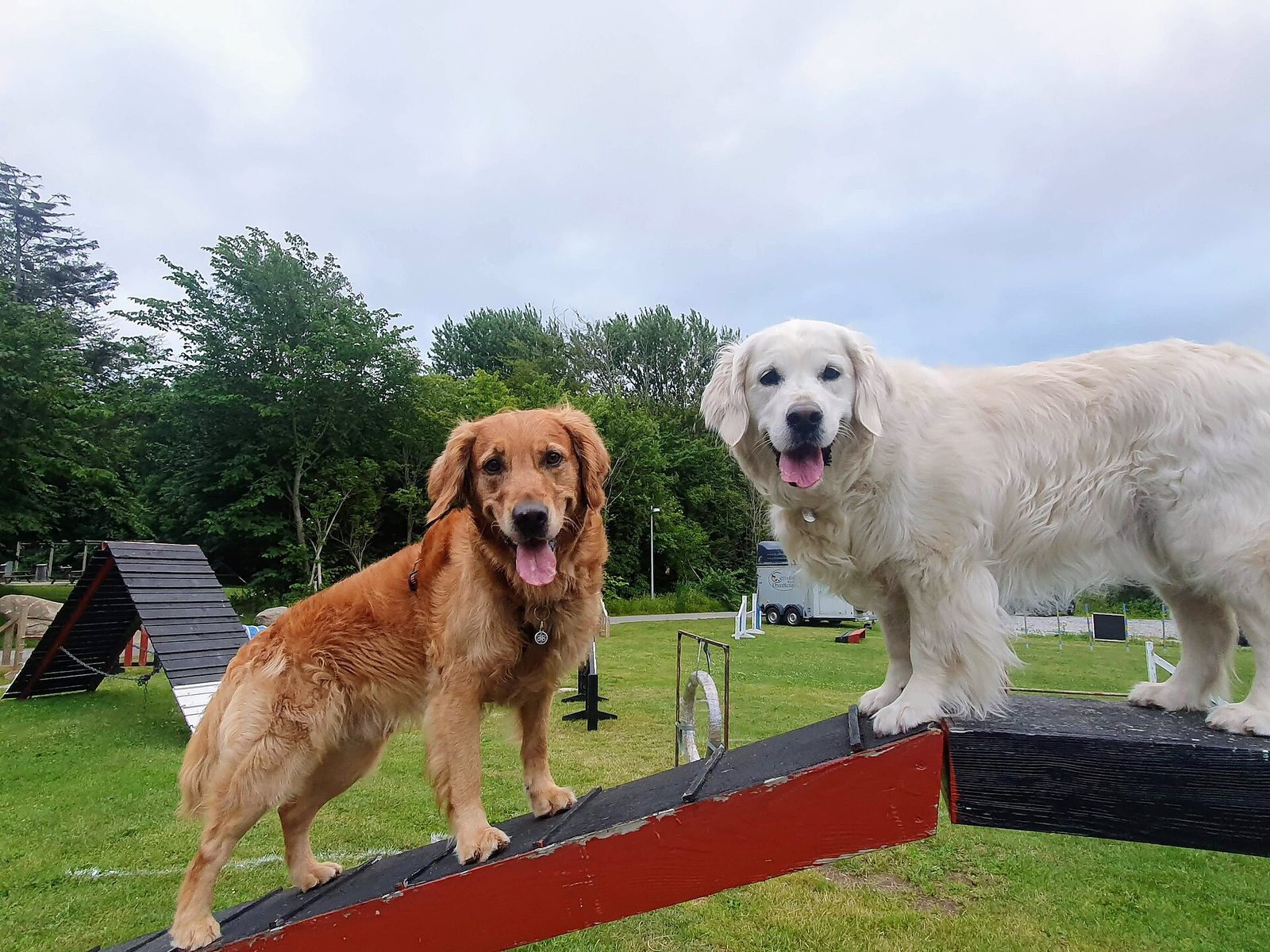
Bringing a puppy home is exciting, but if your older dog is showing growling, snapping, or tense body language around the newcomer, it can feel alarming and disheartening. You're not alone, and this reaction doesn't mean your dog is "bad" or that the two will never get along. Dog aggression towards a new puppy is one of the most common challenges owners face when expanding their family — and with a structured, patient approach, the vast majority of dogs learn to accept and even enjoy their new companion.
Why Does Dog Aggression Towards a New Puppy Happen?
Before jumping into solutions, it helps to understand what's driving the behaviour. Dogs are not trying to be difficult; they're communicating genuine discomfort.
Resource guarding is a frequent trigger. Your resident dog may worry that the puppy threatens access to food, sleeping spots, toys, or — most importantly — your attention and affection.
Stress and overstimulation also play a big role. Puppies are relentless. They bounce, pounce, and ignore the subtle signals adult dogs use to say "give me space." When those signals are repeatedly ignored, the older dog may escalate to a more obvious warning.
Loss of routine matters too. Dogs find security in predictability. A new puppy disrupts the household rhythm your dog has come to rely on, and that uncertainty alone can raise general anxiety.
Understanding these drivers means you can address the root cause rather than just suppressing the outward signs.
Setting Up for Success Before They Meet
Good introductions start before the two dogs ever share a room.
Scent introduction first
Swap bedding between the puppy and your resident dog a few days before any face-to-face meeting. Let each dog sniff the other's scent at their own pace while receiving calm praise and treats. This begins building a positive association with the newcomer's smell before the puppy is physically present.
Manage the environment
Set up baby gates or exercise pens so each dog has a clearly defined safe zone. Your older dog needs to know there are spaces the puppy simply cannot reach. This relieves the pressure of constant vigilance and reduces defensive behaviour significantly.
Stock up on high-value treats
You'll be doing a lot of reward-based work in the coming weeks, so have something your older dog finds genuinely exciting — small pieces of chicken, cheese, or their favourite commercial treat — ready to go.
The Structured Introduction Process
Step 1 — Parallel walks
The first formal meeting should happen on neutral ground, not in your home. Walk both dogs in parallel with a handler each, keeping enough distance that both dogs are relaxed and able to focus. Reward calm, loose-body behaviour generously. Gradually reduce the distance over several sessions only when both dogs remain comfortable.
Step 2 — Controlled on-lead greetings
Once parallel walks are going smoothly, allow brief, calm greetings on lead. Keep them short — a few seconds — then cheerfully call both dogs away and reward them. This teaches your older dog that the puppy appearing predicts good things, and that the interaction ends before tension has a chance to build.
Step 3 — Supervised off-lead time in a large space
Move to a larger area with plenty of room to escape. Watch your older dog's body language closely. Stiff posture, hard staring, a high rigid tail, and a closed mouth are early signs of tension. If you see these, calmly redirect your older dog with a cheerful cue and reward engagement with you. You're not punishing the warning; you're giving your dog something else to do before the situation escalates.
Step 4 — Building positive associations over time
Every time the puppy is present, your older dog should experience something good. Feed them near each other (separate bowls, enough distance to feel safe), do short training sessions with both dogs in the room, and reward any moment of calm or relaxed body language you observe. Over time, the puppy's presence becomes a reliable predictor of pleasant things rather than a source of stress.
What to Avoid
Never punish growling. A growl is communication — it's your dog saying "I'm uncomfortable." Suppressing that warning doesn't remove the discomfort; it just removes the signal, which can make future reactions harder to predict. Instead, treat growling as useful information and increase the distance between the dogs.
Avoid flooding — forcing the dogs to be together and hoping they'll "work it out." This tends to increase fear and reactivity rather than reduce it.
When to Get Extra Support
If dog aggression towards your new puppy involves repeated snapping, lunging, or any contact, it's worth working with a qualified force-free behaviourist alongside a structured training programme. The training programmes at /programs/ are built around the same science-backed, reward-based principles covered here and can give you a clear roadmap tailored to your dogs.
You can also take the free 60-second quiz on our homepage to find the right starting point for your situation.
Patience and consistency are your most powerful tools — every calm moment you reward is a small step toward the peaceful household you're working towards.
Struggling with the same thing?
Take the free 60-second quiz and get a science-based plan — results sent straight to your inbox.
Take the quiz →Prefer to read first? Grab the free 20-page guide →