
My Dog Is Afraid of Everything: How to Help
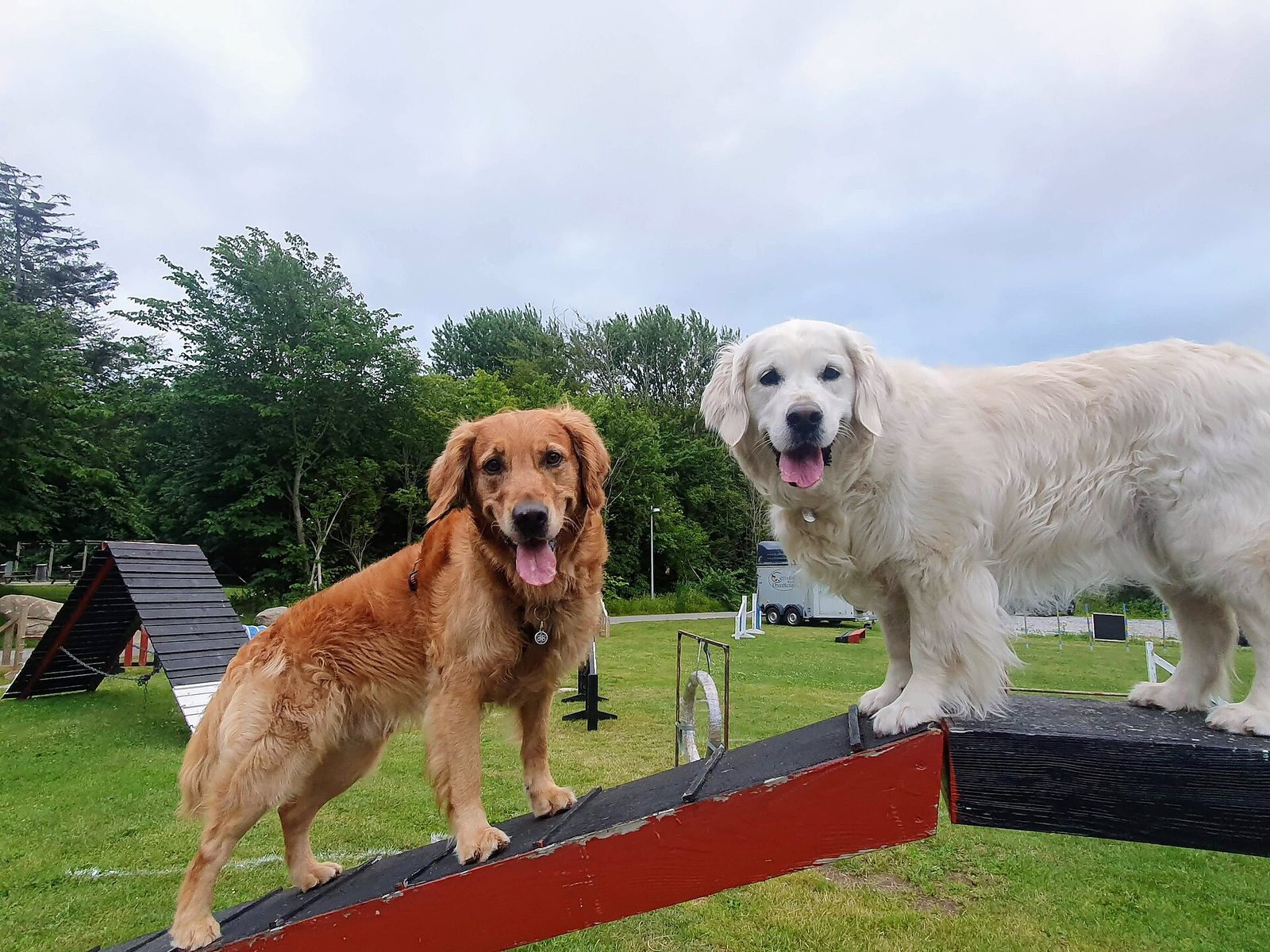
If your dog startles at bin bags, freezes when a stranger walks past, or seems to find the world genuinely overwhelming, you are not alone — and neither is your dog. Living with a dog afraid of everything can feel exhausting and heartbreaking in equal measure. The good news is that with patience and the right approach, you can help your dog build real, lasting confidence. The key is working with their nervous system, not against it.
Understanding Why Your Dog Is Fearful
Fear is not stubbornness or bad behaviour. It is a survival response — the brain perceiving danger and trying to protect the body. For some dogs, this alarm system is simply set more sensitively than average, whether through genetics, limited early socialisation, a difficult past, or a combination of all three.
Trying to push through fear quickly — by forcing your dog to approach something scary or flooding them with the thing they dread — tends to make things worse, not better. It raises stress hormones without giving the dog any way to feel safe. What actually works is a gradual process called counter-conditioning and desensitisation: pairing scary things with good things, at a distance and intensity where your dog can still think and stay calm.
Step One: Find Your Dog's Comfort Threshold
Before you can help your dog, you need to know where their tipping point is. This is called the threshold — the distance or intensity at which your dog notices something worrying but hasn't yet gone into full panic.
How to spot the threshold
Look for early, subtle signals: ears flicking forward, a slight body freeze, a lip lick, or a quick glance away. These are signs your dog has noticed the trigger but is still able to function. This is your working zone. If your dog is barking, lunging, trembling, or refusing food, you are already over threshold — simply move further away or reduce the intensity.
Why this matters
When a dog is over threshold, learning shuts down. The thinking part of the brain hands over to the survival part. No amount of treats or reassurance will work at that point. Working below threshold keeps your dog in a state where they can make new, positive associations.
Step Two: Pair Scary Things With Great Things
Once you have identified your dog's comfortable distance from a trigger, start pairing it with something your dog genuinely loves — usually a high-value treat like small pieces of cheese, chicken, or whatever makes their eyes light up.
The simple pattern
- Scary thing appears → immediately offer the treat.
- Scary thing goes away → treats stop.
Over many, many repetitions — across days and weeks, not minutes — your dog's brain begins to predict: that thing means something wonderful is about to happen. The emotional response starts to shift from fear to something more like calm anticipation. This is counter-conditioning working as intended.
Keep sessions short
A handful of calm, positive exposures is worth far more than one long, stressful outing. Short sessions protect your dog's emotional state and make progress more sustainable.
Step Three: Let Your Dog Lead
One of the most powerful things you can do for a dog afraid of everything is give them choice and control. When a dog can choose to move away from something scary, their anxiety tends to reduce because they are no longer trapped. Paradoxically, dogs who are allowed to retreat often become more curious over time.
Practical ways to offer choice
- On walks, let your dog choose the direction when you spot a trigger. Crossing the street or turning around is not failure — it is good management.
- If a dog afraid of strangers is approached, calmly step in and ask the person to give your dog space. Your dog needs to know you are a safe haven.
- Never force your dog to accept petting from unfamiliar people. Let your dog decide if and when to approach.
Step Four: Build Confidence Through Predictability
Fearful dogs thrive on routine and clear communication. A structured day — regular meal times, predictable walks, consistent training sessions — tells your nervous dog that the world is manageable.
Reward-based training itself is a brilliant confidence builder. Every time your dog successfully performs a simple behaviour and earns a reward, they learn that their actions produce good outcomes. That sense of agency is genuinely calming. If you are looking for a structured place to start, our training programmes are built around exactly this kind of positive, progressive approach.
A Note on Progress
Progress with a fearful dog is rarely linear. There will be good days and harder days. Setbacks do not erase what your dog has already learned — they are simply information about where more support is needed. If your dog's fear feels severe or is affecting daily life significantly, a qualified veterinary behaviourist can be a valuable part of the team.
Not sure where to begin? Take our free 60-second quiz to find the right starting point for you and your dog.
Every small moment of calm you help your dog find today is a genuine step toward a more confident life tomorrow.
Struggling with the same thing?
Take the free 60-second quiz and get a science-based plan — results sent straight to your inbox.
Take the quiz →Prefer to read first? Grab the free 20-page guide →