
My Dog Is Afraid of Bikes: How to Help
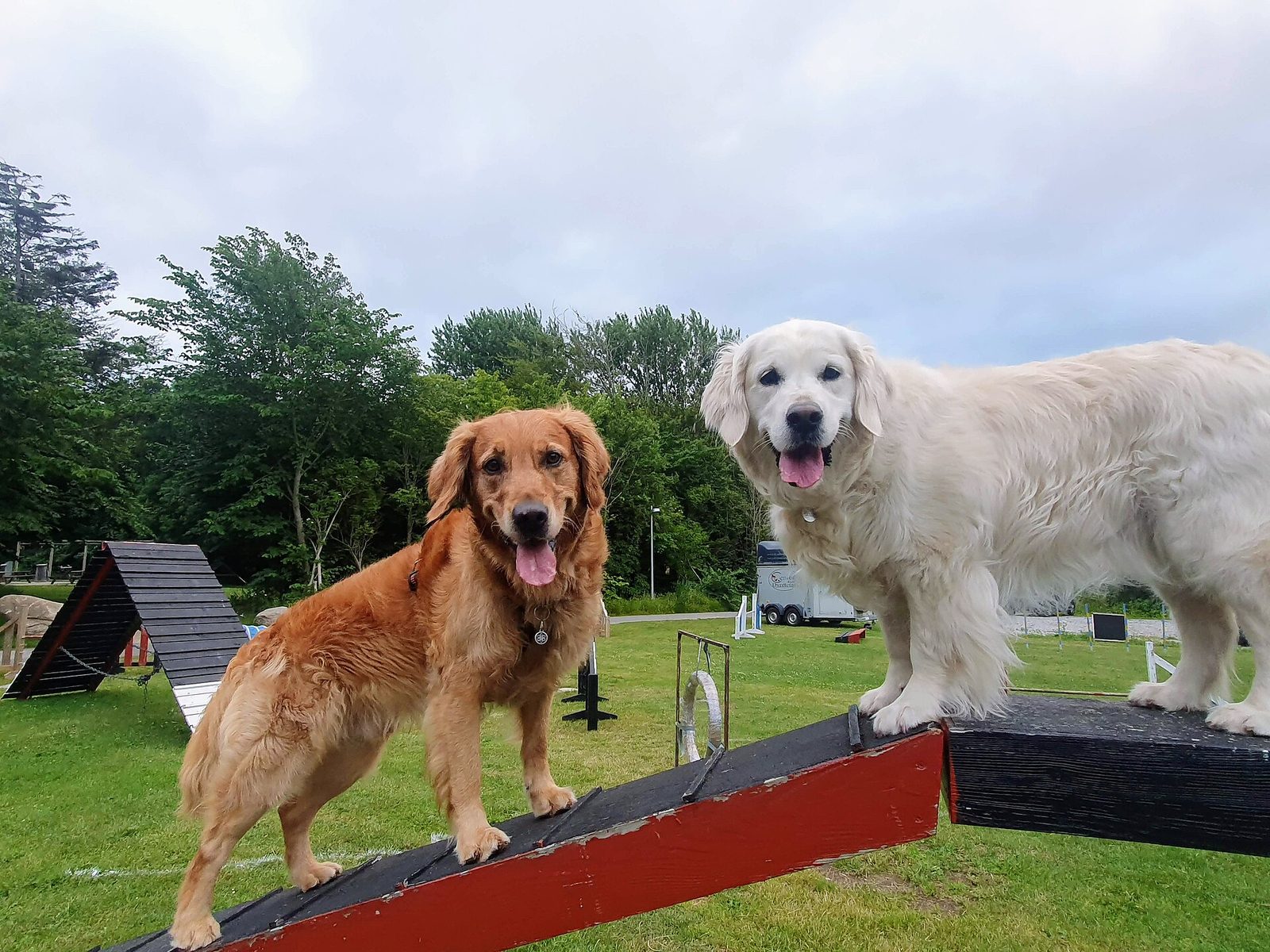
If your dog freezes, lunges, or tries to bolt every time a bicycle rolls past, you are not alone — and there is nothing wrong with your dog. Fear of bikes is genuinely common, and it makes a lot of sense when you think about it: bikes move quickly and unpredictably, they can appear from nowhere, and they sometimes make rattling or whirring sounds that add up to a very confusing experience for a dog who has not learned that they are safe. The good news is that with a little patience and the right approach, you can help your dog build real, lasting confidence around bikes — not just tolerance, but genuine calm.
Why Force Never Works Here
Before jumping into the plan, it helps to understand what fear actually is at a biological level. When your dog sees a bike and panics, their nervous system has genuinely decided there is danger. Forcing them closer — or punishing the fearful reaction — does not teach them that bikes are safe. It teaches them that scary things and their owner are both sources of stress, which tends to make fear worse over time. Reward-based methods work because they give your dog's brain new, positive information: bikes predict good things, so bikes are not a threat. This is called counter-conditioning, and it is one of the most well-supported approaches in canine behaviour science.
Step One: Find Your Dog's Comfort Zone
The single most important concept in this whole plan is threshold. Your dog's threshold is the distance at which they can notice a bike without going into full panic mode — ears up, maybe a little alert, but still able to take a treat and look back at you. This is where all your training happens.
Start somewhere you can control the environment — a quiet car park, a wide path, or even your own street at a calm time of day. Bring high-value treats: small pieces of chicken, cheese, or whatever your dog finds genuinely exciting. Ask a friend to slowly ride a bike at a distance while you watch your dog's body language carefully. The moment your dog notices the bike but is still relatively calm, start feeding treats steadily and cheerfully. When the bike moves away or stops, the treats stop too.
If your dog is already afraid of walking on the sidewalk or shows stress at the very thought of going outside, you may need to begin indoors with a stationary bike, or even just a photo or video of a bike played quietly, before moving to the real world. Meet your dog exactly where they are.
Step Two: Gradually Decrease the Distance
Once your dog is consistently looking at the bike and then looking back at you with a "where's my treat?" expression, you are ready to move a little closer — just a small step. Repeat the same process: bike appears, treats flow; bike disappears, treats pause. This approach, sometimes called a "look at that" game, teaches your dog that noticing something worrying is actually the start of something great.
Progress will not be linear. Some days your dog will feel braver, some days more cautious. That is completely normal. If your dog goes over threshold — barking, lunging, or shutting down — simply move further away and make a note of where things went wrong. There is no failure here, only information.
Step Three: Add Movement and Noise
A stationary bike is one thing; a moving one is another. If your dog is also afraid of loud noises outside — like the rattle of a chain, the hiss of tyres, or the sudden ring of a bell — introduce these sounds separately and at low volume before combining them with the visual of a moving bike. You can find bike-sound recordings online and play them quietly at home while your dog eats their meals, gradually increasing volume over many sessions.
Once your dog is comfortable with a stationary bike and with bike sounds separately, bring them together — slow movement, quiet sounds, plenty of distance, and an unending supply of treats.
Step Four: Practise in the Real World
Real pavements are unpredictable, and a dog afraid of bikes will find busy cycling paths overwhelming at first. Choose quiet routes, go at off-peak times, and keep sessions short. Always end on a good note — before your dog gets tired or stressed, not after. Our structured training programs can give you a week-by-week framework for this kind of gradual real-world exposure if you want guided support alongside your own practice.
If you are not sure where your dog currently sits on the confidence scale, the free 60-second quiz on our homepage can help you figure out the best starting point.
A Note on Pace
Some dogs make rapid progress; others need weeks or months of gentle repetition. Both are completely valid. The only pace that works is your dog's pace — rushing creates setbacks, and setbacks are discouraging for everyone.
Confidence built slowly is confidence that lasts.
Struggling with the same thing?
Take the free 60-second quiz and get a science-based plan — results sent straight to your inbox.
Take the quiz →Prefer to read first? Grab the free 20-page guide →