
Decompression Protocol Adopted Dog: A Complete Guide
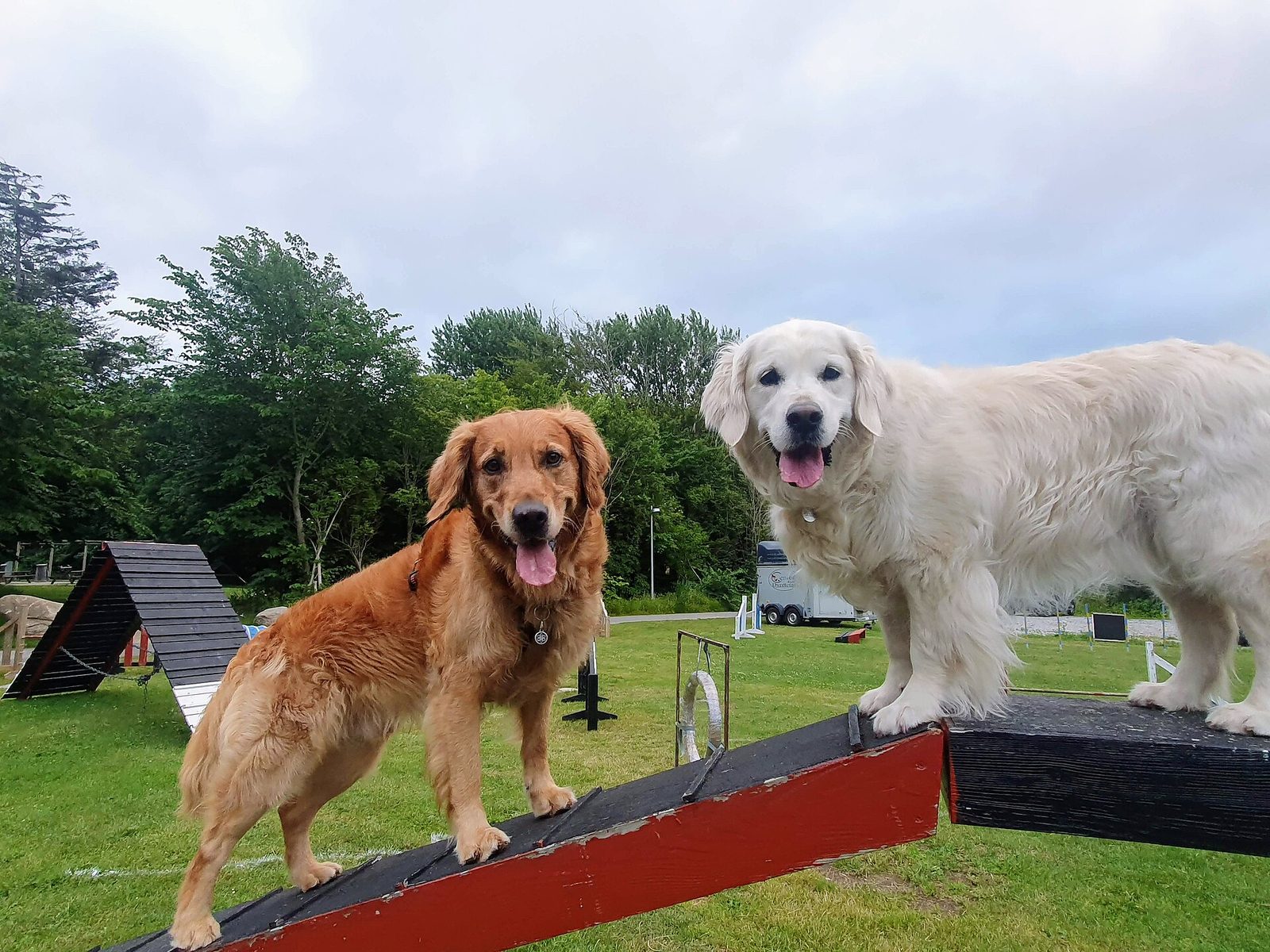
Bringing a dog home for the first time is one of the most exciting moments an owner can experience — and one of the most overwhelming for the dog. Even if your new companion seems relaxed or over-the-moon happy on day one, their nervous system is quietly working hard to process a flood of unfamiliar sights, smells, sounds, and people. A thoughtful decompression protocol for your adopted dog gives them the breathing room to settle in at their own pace, and it lays the groundwork for a relationship built on trust rather than pressure.
What Is a Decompression Protocol?
A decompression protocol for an adopted dog is simply a structured, low-demand period — typically the first few weeks at home — during which you deliberately slow things down. You reduce social pressure, limit overwhelming experiences, and let your dog begin to feel safe before asking very much of them.
The science behind this is grounded in how dogs learn and regulate stress. When a dog is in a heightened arousal state, their capacity to absorb new information and form positive associations is significantly reduced. Flooding a newly adopted dog with visitors, outings, and training sessions before they feel secure can inadvertently teach them that the world is unpredictable — the opposite of what you want.
Decompression is not neglect. It is active, intentional kindness.
Step 1: Set Up a Safe Space Before They Arrive
Before your dog even crosses the threshold, prepare a calm, contained area of your home — a crate with the door left open, a pen, or a quiet room with a comfortable bed. This becomes their anchor point.
Why this works
Dogs are den animals by nature. Having one consistent, low-traffic spot where nothing stressful happens helps them begin to associate at least one part of their new world with safety. You can gently build that association further by occasionally dropping a treat near the area without making a fuss about it.
Step 2: Keep the First Few Days Quiet
Resist the urge to introduce your new dog to everyone you love straight away. Ask family and friends to wait at least a week, and in the meantime keep household activity calm and predictable.
Practical tips
- Move slowly and speak softly around the dog
- Let them initiate contact — crouch down, look away slightly, and let them approach you
- Avoid direct, prolonged eye contact at first, which can feel like a challenge to a nervous dog
- Keep TV and music at a low volume
When your dog does approach you calmly, a quiet "yes" and a small, gentle treat reinforces that coming close to you is a great idea — with zero pressure attached.
Step 3: Structured Sniff Walks Instead of Performance Walks
One of the most underused tools in the decompression protocol for adopted dogs is the sniff walk. Instead of heeling or practising recall, let your dog lead with their nose. Allow them to sniff as long as they like without redirecting.
Why this works
Sniffing is one of the most mentally and physically regulating activities a dog can do. Research in canine cognition consistently shows that nose-led exploration reduces arousal and promotes calmer behaviour. A sniff walk of even moderate length can leave a dog more settled than a longer, structured walk.
Keep outings short and close to home in the first week. Familiar territory is less taxing on a dog who is already processing a lot.
Step 4: Introduce Reward-Based Training Gradually
After the first week or so, once your dog is showing signs of relaxation — a loose body, a good appetite, sleeping soundly — you can gently begin short training sessions using rewards.
Start with only the easiest things
- Name recognition (say their name once, mark and reward when they look at you)
- Sit (lure gently with a treat, never push them into position)
- Settle on their mat
Keep sessions to just a few minutes. End while they are still engaged and succeeding. The goal at this stage is not to build an obedience repertoire — it is to teach your dog that interacting with you produces good things. That is the foundation everything else grows from.
If you'd like a structured plan for taking those first training steps, our reward-based training programmes are designed specifically to meet dogs and owners wherever they are.
Step 5: Watch for Green Lights
Signs that your adopted dog is beginning to feel at home include: seeking you out voluntarily, showing interest in toys or play, a relaxed open mouth, full meals eaten, and settling easily for sleep. These signals tell you the decompression protocol is working — and that you can begin gently expanding their world.
Not every dog moves at the same pace, and some need longer than others. There is no single right timeline.
Not sure where to start with your newly adopted dog? Take the free 60-second quiz to find the right approach for your specific situation.
Give your adopted dog the gift of time, and they will give you a lifetime of trust in return.
Struggling with the same thing?
Take the free 60-second quiz and get a science-based plan — results sent straight to your inbox.
Take the quiz →Prefer to read first? Grab the free 20-page guide →