
Decompression For Hyper Dogs: A Complete Guide
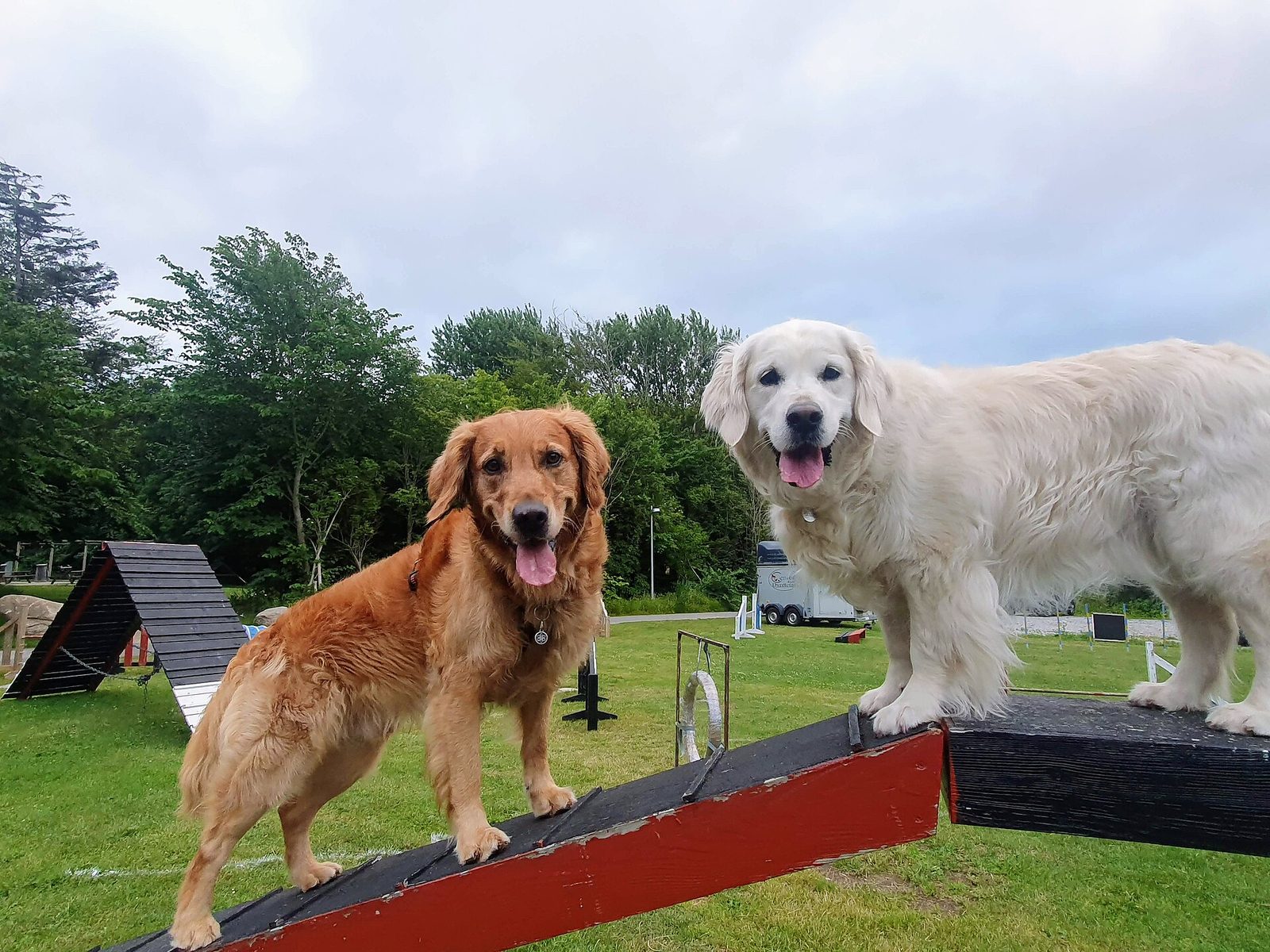
If your dog bounces off the walls the moment you get home, pulls like a freight train on every walk, or simply cannot seem to settle — you are not alone, and your dog is not broken. Some dogs arrive wired with a naturally high arousal level, and others tip into overdrive after too much stimulation, too little sleep, or a lifestyle that keeps their nervous system permanently switched on. The good news is that decompression for hyper dogs is a learnable skill, for both of you, and you can start making a real difference today.
Why "Drain the Energy" Often Makes Things Worse
The instinct most owners have is to exercise a hyper dog into exhaustion. More fetch, longer runs, busier dog parks. It feels logical — tired dog, calm dog. The problem is that high-intensity activity raises the body's stress hormones, and those hormones don't drop back to baseline the moment the game ends. Over time, a dog conditioned to near-constant high-intensity stimulation can actually become harder to settle, not easier, because their threshold for arousal creeps lower and lower.
Decompression for hyper dogs works differently. Instead of burning energy upward, the goal is to help the nervous system come down — and that requires a different kind of activity altogether.
What Decompression Actually Means
Decompression is any activity that allows your dog to move at their own pace, use their senses freely, and make low-stakes choices without being directed. It shifts the brain from a reactive, high-alert state toward a calmer, exploratory one. Sniffing is the gold standard here: when a dog puts their nose to work, the rhythmic, focused quality of the behaviour actively promotes a calmer physiological state. It's genuinely different from a game of fetch in how it affects the dog's body.
Step-by-Step Decompression Routine
Step 1 — Start With a Sniff Walk
Swap one regular on-lead walk for a sniff walk. The rules are simple: your dog leads, you follow (within safe limits), and the only agenda is whatever their nose finds interesting. Use a long-line (a lightweight lead of around five metres) if your usual walking area means a loose lead isn't safe. Resist the urge to move them along. Five unhurried minutes of sniffing can do more for your dog's internal calm than a much longer brisk walk.
Step 2 — Create a Decompression Zone at Home
Pick a quiet corner — away from the front door, the TV, and heavy foot traffic — and make it genuinely inviting. A comfortable mat or bed, a chew, a stuffed Kong, or a lick mat all work well here. The aim is a spot your dog chooses to go to because good things happen there. If your dog struggles to settle anywhere in the house, our structured training programmes include calm-settling foundations that build this skill step by step.
Step 3 — Introduce Scatter Feeding
Instead of serving meals in a bowl, scatter the kibble across a patch of grass or a snuffle mat. Your dog has to slow down, use their nose, and problem-solve at low intensity. This is effortful in exactly the right way — mentally tiring without ramping arousal up. Even one meal a day done this way can shift how easily your dog winds down afterward.
Step 4 — Build In Genuine Rest Time
Decompression for hyper dogs isn't only about what you do — it's also about what you deliberately don't do. Many high-energy dogs are inadvertently kept in a near-constant state of stimulation: training, play, social contact, background noise. Scheduled, protected quiet time — where your dog rests and is not asked to do anything — teaches the body that "off" is a safe and familiar state. Start with short windows and gradually increase them.
Step 5 — Use Reward-Based Training to Reinforce Calm
Every time your dog chooses to lie down, softens their body, or simply pauses without demanding attention, mark that moment with a quiet, calm "yes" and a low-key reward (a gentle stroke or a small treat delivered slowly both work). You're not ignoring your dog — you're showing them that settling earns good things. This is different from asking your dog to perform a down-stay under pressure; you're catching and rewarding calm as it naturally appears, which builds the behaviour from the inside out.
Tailoring This to Your Dog
Every dog is different. A dog who's hyper due to under-stimulation needs a different balance than one whose nervous system is genuinely sensitised by months of over-stimulation. If you're not sure where your dog sits, take the free 60-second quiz on our homepage to get a clearer picture of what they need, and browse our reward-based programmes designed to support dogs at every arousal level.
Decompression for hyper dogs isn't a quick fix — but even small, consistent changes to your dog's daily routine can help their nervous system find its way back to calm.
Struggling with the same thing?
Take the free 60-second quiz and get a science-based plan — results sent straight to your inbox.
Take the quiz →Prefer to read first? Grab the free 20-page guide →