
Crate Training: The Reward-Based Approach That Works
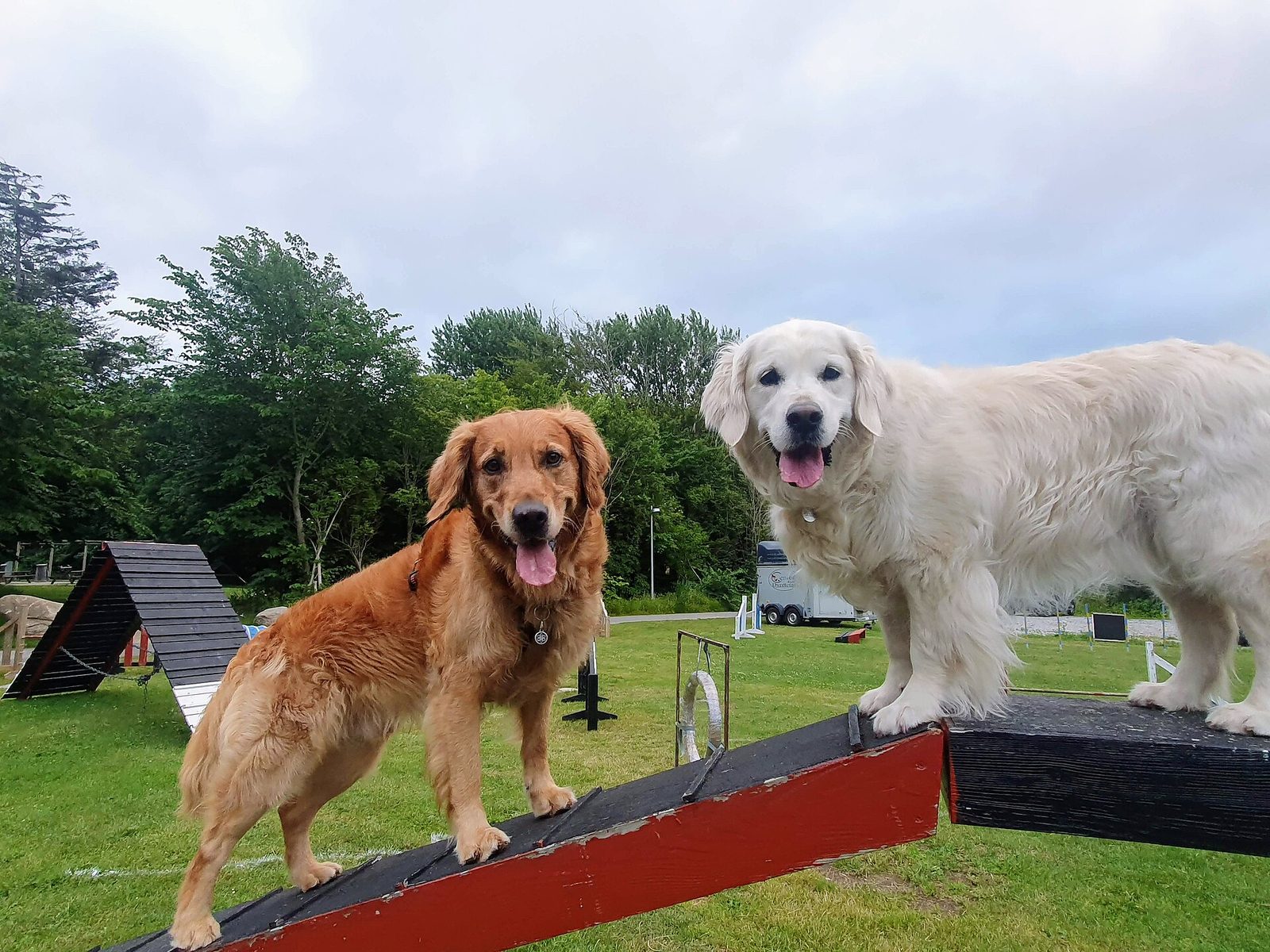
If your dog gives the crate a wide berth, or if you've tried crate training before and it fell apart, you're in good company. The good news is that most setbacks come down to moving too fast — and that's entirely fixable. Done gradually and with plenty of rewards, crate training becomes something your dog actively enjoys rather than merely tolerates.
Why Crate Training Works When It's Done Right
Dogs don't have an instinctive love of small, enclosed spaces — but they do have a strong capacity to form positive associations with places that predict comfort, food, and rest. That's the whole principle behind reward-based crate training: you're not trapping your dog inside and waiting for them to "get used to it." You're building a genuine, step-by-step history of good things happening in and around the crate until your dog chooses it voluntarily.
This matters because a dog who enters the crate willingly is calm, which means they learn faster and settle more easily. A dog who enters under pressure stays in a state of stress, which makes every future session harder.
What You'll Need Before You Start
- A crate that's large enough for your dog to stand, turn around, and lie down comfortably — but not so large it feels like open space
- High-value treats your dog genuinely loves (small, soft, and easy to eat quickly)
- A comfortable mat or bedding inside
- Patience and short sessions — ten to fifteen minutes is plenty to start
If you're unsure which setup suits your dog's size and temperament, the [structured programmes at /programs/] can walk you through the specifics.
Step-by-Step: Building a Positive Crate Association
Step 1 — Introduce the Crate as Furniture
Start with the crate door open and simply let your dog investigate at their own pace. Toss a few treats near the entrance, then just inside the threshold. Don't lure your dog in and close the door — not yet. The goal here is just "this thing exists, and nice things appear near it." Repeat this a handful of times over a day or two.
Step 2 — Feed Meals at the Crate
Move your dog's regular meals to just inside the crate entrance, then gradually shift the bowl further in over successive meals. This uses something your dog already looks forward to and ties it directly to the crate space. When your dog is happily stepping fully inside to eat, you've made real progress.
Step 3 — Introduce the Door — Briefly
Once your dog enters confidently, gently close the door for just a few seconds while they're eating or chewing a treat, then open it again before they show any sign of worry. The key word is before — you want to open the door while they're still calm and engaged, not in response to whining or pawing. Gradually extend the time the door stays closed across multiple sessions.
Step 4 — Add Distance and Duration Together
Start leaving the room for very short stretches while your dog rests in the crate. Build up the time slowly, always returning before your dog becomes distressed. A stuffed chew toy or a long-lasting treat can help your dog settle and gives them something positive to do while you're out of sight.
Step 5 — Introduce a Cue Word
Once your dog is happily going in on their own, you can add a cue like "crate" or "bed." Say the word once as they move toward the entrance, then reward them when they're inside. Over time, the cue becomes a simple, friendly signal rather than a command delivered under pressure.
Common Sticking Points — and How to Handle Them
My dog whines as soon as I close the door. This usually means you moved to that step too quickly. Go back to the previous step and build more positive history before trying again. Whining isn't something to push through — it's useful feedback that the pace needs to slow down.
My dog is fine in the crate when I'm home but distressed when I leave. Separation from you is its own skill, separate from crate comfort. Practise very brief departures — stepping outside for thirty seconds, then returning — independently of crate training. If separation anxiety is significant, the [reward-based programmes at /programs/] cover this in more depth.
My adult dog has a bad history with crates. It takes longer to build trust after a difficult experience, but the same steps apply. Move more slowly, use higher-value rewards, and keep sessions very short. Many dogs with a troubled history become enthusiastic crate users given enough time and consistency.
How Long Does Crate Training Take?
There's no single timeline — it genuinely depends on your dog's age, temperament, and history. Some dogs are comfortable in a matter of days; others need several weeks. The pace that works is the one that keeps your dog relaxed throughout. If you're not sure where your dog is in the process, try the free 60-second quiz on the homepage for a quick starting point.
Crate training done with patience and rewards doesn't just teach your dog where to sleep — it builds the kind of trust that makes everything else easier too.
Struggling with the same thing?
Take the free 60-second quiz and get a science-based plan — results sent straight to your inbox.
Take the quiz →Prefer to read first? Grab the free 20-page guide →