
Counter Surfing And Jumping Training: The Reward-Based Approach That Works
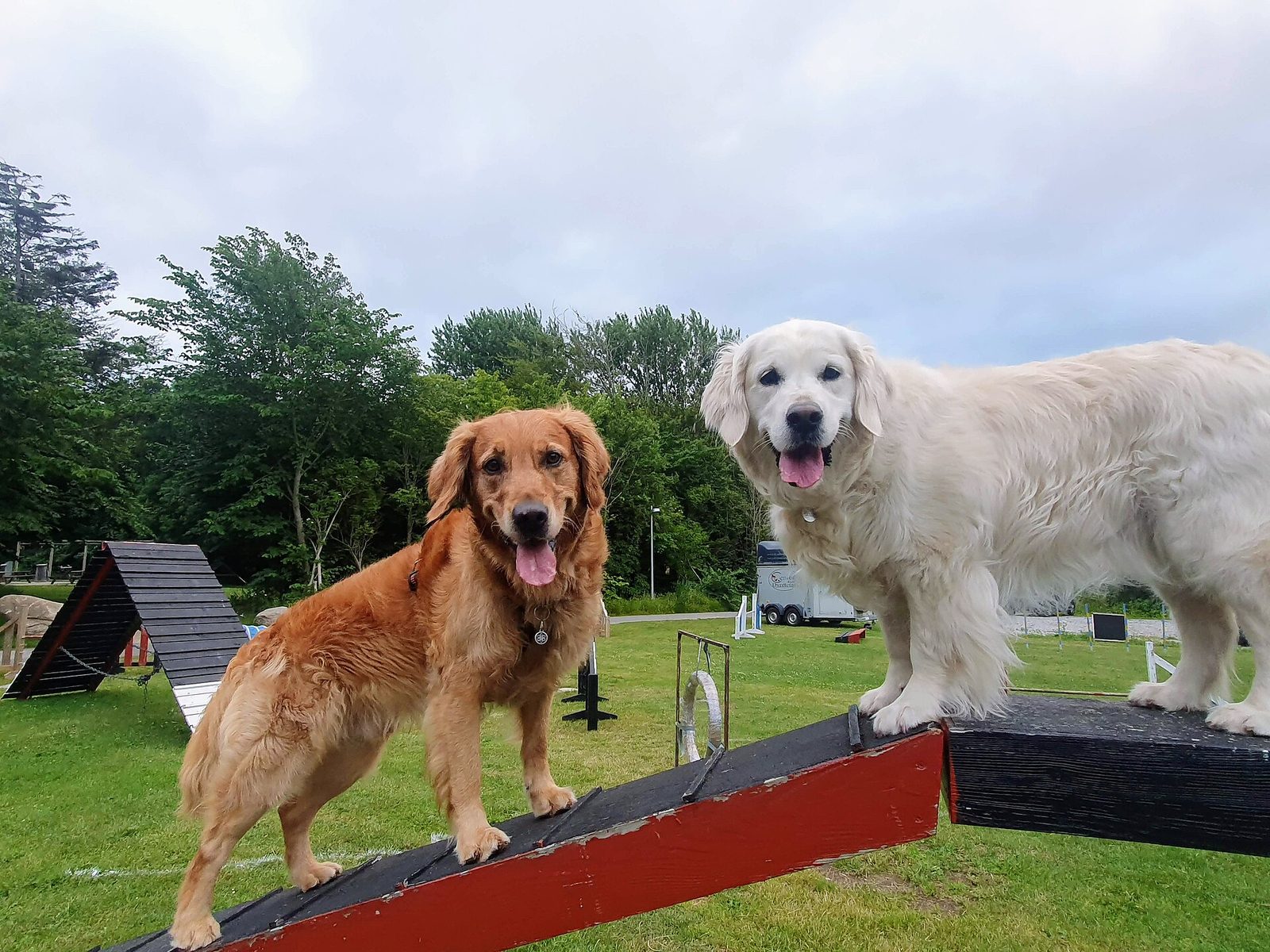
If your dog treats the kitchen counter like a snack bar and launches themselves at every visitor who walks through the door, you are not alone — and you are not dealing with a "bad" dog. These behaviours make perfect sense from a dog's perspective: counters sometimes produce food, and jumping has probably been rewarded by attention (even the "off!" kind counts). The good news is that counter surfing and jumping training doesn't require anything harsh or complicated. It requires consistency, a little patience, and an understanding of what your dog is actually learning.
Why Dogs Counter Surf and Jump — And Why It Matters
Dogs repeat behaviours that pay off. If a dog has ever found a sandwich on the counter, that single discovery can keep them checking for weeks — because unpredictable rewards are especially motivating. The same logic applies to jumping: if a dog jumps and sometimes gets stroked, sometimes gets pushed down, and sometimes gets ignored, the intermittent payoff keeps the behaviour alive.
Understanding this is the starting point for all effective counter surfing and jumping training: you are not punishing away a bad habit, you are systematically making the unwanted behaviour less rewarding than the alternative.
Counter Surfing Training: Clear Steps to Follow
Step 1 — Remove the reward temporarily
While you are teaching, keep counters clear. This isn't a permanent rule; it is a short-term strategy. Every successful surf sets your training back, so reducing those wins speeds up the process considerably.
Step 2 — Teach a strong "four on the floor" default
Your dog needs an alternative behaviour to do instead of surfing. Reward your dog generously any time they approach the kitchen and keep all four paws on the ground. A treat tossed to the floor the moment they look up at the counter — but before they attempt to surf — teaches them that looking at the counter predicts a reward appearing at floor level. Over time, this redirects the habit downward rather than upward.
Step 3 — Build a default station
A mat or bed near (but not in) the kitchen gives your dog a clear job during food prep: go to your place and good things happen. Practise sending them there and rewarding them while you move around the kitchen. This gives them something to do with their energy rather than simply being told "no." Our structured training programs walk through mat training in detail if you'd like a step-by-step plan.
Step 4 — Practise with real-life set-ups
Once your dog is reliable in calm conditions, set up deliberate scenarios — cook a meal, move around the kitchen, and reward your dog proactively for staying calm. Gradually work up to more tempting situations, always setting them up to succeed.
Jumping Training: Clear Steps to Follow
Step 1 — Make jumping completely unrewarding
The single most important rule: no attention when all four paws are not on the floor. That means no eye contact, no pushing, no talking. Turn your back or simply stand still. This is not unkind — it is clear, consistent communication. The jumping stops producing any outcome, which is the first step to reducing it.
Step 2 — Reward four paws instantly
The moment your dog's paws hit the floor — even for a second — mark it with a cheerful word and reward. You are teaching them that this position is what earns attention and treats, not the jump. Keep rewards coming while they stay down so that staying down becomes more enjoyable than jumping up.
Step 3 — Teach an incompatible behaviour
A dog who is sitting cannot simultaneously be jumping. Build a strong sit as a greeting behaviour by asking for and rewarding a sit every time you come home or have visitors. Ask guests to do the same — consistency across people matters enormously here. You might also want to take our free 60-second quiz to get a quick sense of which skills to prioritise for your specific dog.
Step 4 — Practise with real people
Ask friends and family to help you set up greeting scenarios. Brief them before they arrive: ignore the jump, reward the sit. A few consistent repetitions with different people in different contexts will generalise the behaviour far faster than solo training sessions alone.
Realistic Timelines and What to Expect
Neither of these behaviours disappears overnight, especially if they have a long history of paying off. You will likely see fluctuations — some days better than others — before a clear improvement trend emerges. Staying consistent and keeping sessions positive is more effective than any single training technique. If you'd like a structured path through both skills, our training programs are built around exactly this kind of progressive, reward-based learning.
Every calm moment at the counter and every four-paws greeting is a small deposit into a growing bank of good habits — keep rewarding what you want to see, and the behaviour you want will quietly become the behaviour you get.
Struggling with the same thing?
Take the free 60-second quiz and get a science-based plan — results sent straight to your inbox.
Take the quiz →Prefer to read first? Grab the free 20-page guide →