
Cooperative Care Dog Training: The Reward-Based Approach That Works
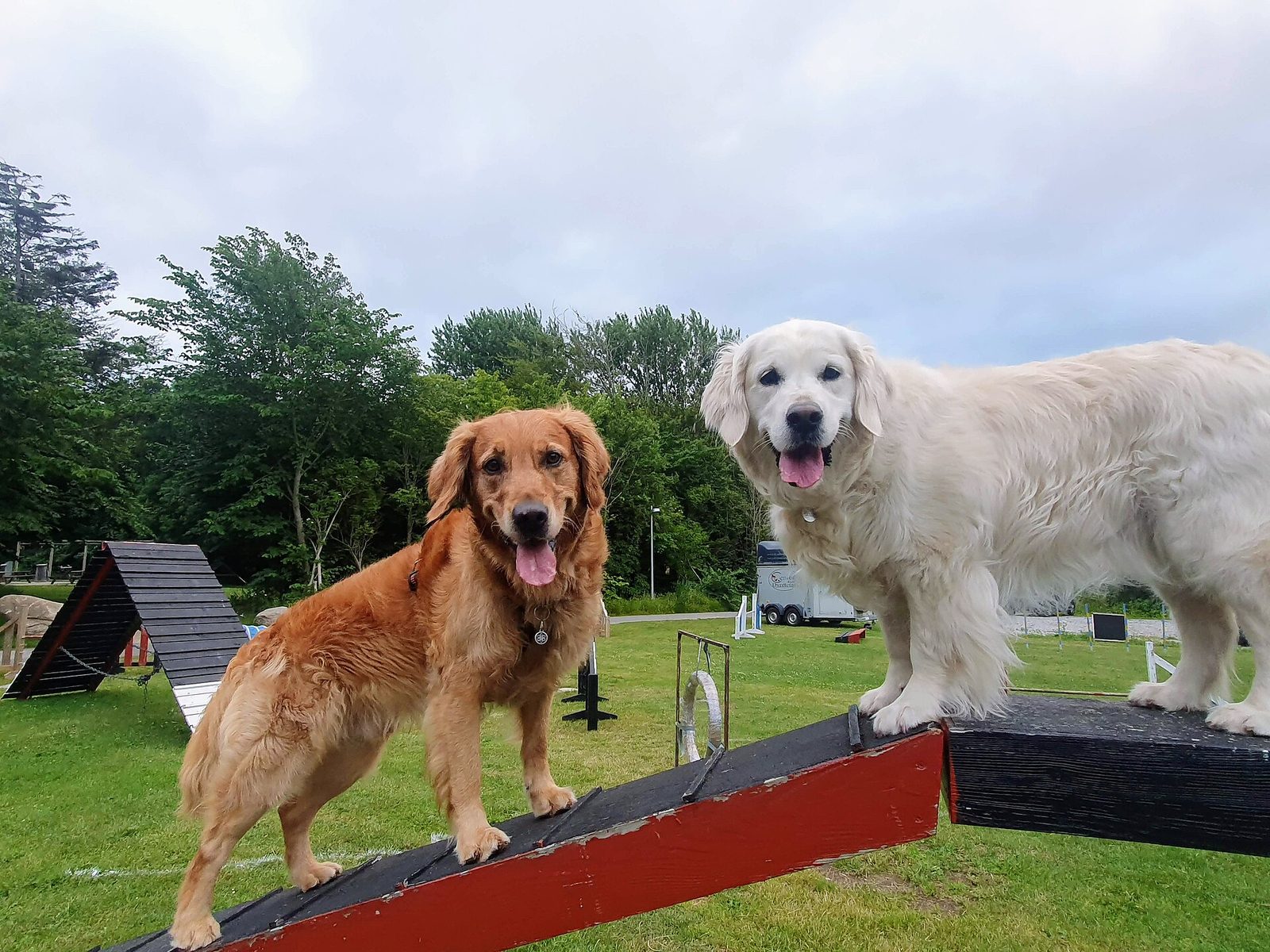
If your dog tenses up at the vet, pulls away during nail trims, or turns bath time into a full workout, you are not alone — and there is nothing wrong with your dog. Many dogs find handling genuinely uncomfortable simply because no one ever taught them it could feel safe. That is exactly what cooperative care dog training is designed to fix.
What Cooperative Care Dog Training Actually Means
Cooperative care is a reward-based approach that teaches dogs to actively participate in — rather than just tolerate — grooming, veterinary handling, and husbandry tasks. The key word is cooperate. Instead of restraining your dog and hoping for the best, you build a shared language of consent. Your dog learns that they can signal comfort or discomfort, and that calm engagement with handling predicts good things.
This matters because a dog who trusts the process is easier and safer to handle for life. Groomers, vets, and family members all benefit — and so does your dog's overall emotional wellbeing.
The Building Blocks: What Your Dog Needs First
Before you start, it helps to understand what makes cooperative care work at a neurological level. When something predicts a reward consistently, the brain begins to associate the two. Touch, equipment, and handling cues stop being neutral or worrying stimuli and start meaning something good is about to happen. That shift is not magic — it is classical conditioning doing exactly what it is designed to do.
You will need:
- High-value treats your dog genuinely loves (soft, small, and easy to eat quickly)
- A calm environment with minimal distractions to start
- Short sessions — a few minutes at a time is plenty
- Patience — realistic progress is measured in weeks, not days, and that is completely normal
Step-by-Step: Building Cooperative Care From Scratch
Step 1 — Start With Touch Targeting
Before you reach for nail clippers or an ear cleaner, practise neutral touch. Gently touch your dog's paw, then immediately offer a treat. Touch their ear, treat. Touch their muzzle, treat. You are not asking your dog to do anything yet — you are simply pairing touch with reward so the body becomes a positive place to interact with.
Watch your dog's body language. Loose muscles, soft eyes, and a relaxed tail mean you are on the right track. Stiffening, lip licking, or turning away are signals to slow down and make the touch even lighter or briefer.
Step 2 — Introduce a Chin Rest or Stationing Behaviour
A chin rest — where your dog places their chin in your hand or on a surface — is one of the most useful tools in cooperative care dog training. It gives your dog a voluntary way to say I am ready. While the chin stays down, handling can continue. If they lift it, you pause. That simple feedback loop hands control back to the dog and dramatically reduces stress over time.
To teach it: hold your open palm low and wait. The moment your dog's chin makes contact, reward. Build duration gradually, adding a second or two at a time.
Step 3 — Introduce Equipment Slowly
Show your dog the nail clippers, the brush, or the ear dropper. Let them sniff it. Treat. Touch it to their body briefly. Treat. The goal is for equipment to predict rewards before it ever does anything functional. Rushing this step is the most common reason progress stalls.
Step 4 — Layer in the Real Task
Once your dog is relaxed with touch and equipment, begin the actual procedure in tiny increments. For nail trims, that might mean touching the clipper to one nail — not clipping — and treating. Then clip one nail. Treat generously. Stop. End on a calm note rather than pushing through the whole paw if your dog seems uncertain.
Step 5 — Maintain and Generalise
Practice little and often between real appointments. A two-minute mock vet check once or twice a week keeps the skills fresh and means your dog walks into the real appointment with a history of good experiences to draw on. If you are working through a structured training programme, your trainer can help you tailor these steps to your dog's individual pace.
Realistic Timelines and Common Sticking Points
Some dogs progress quickly; others — especially those with a history of stressful handling — need considerably more time. Both are normal. If your dog is showing significant fear responses, breaking the steps into even smaller pieces and slowing right down is the right call, not a sign of failure.
Not sure where your dog needs the most support? Our free quiz can help you identify the best starting point for your specific situation.
The One Thing to Remember
Cooperative care dog training is not about achieving perfect behaviour — it is about building a relationship where your dog trusts that handling is something done with them, not to them, and that trust pays dividends for the rest of their life.
Struggling with the same thing?
Take the free 60-second quiz and get a science-based plan — results sent straight to your inbox.
Take the quiz →Prefer to read first? Grab the free 20-page guide →