
Cooperative Care Chin Rest: A Complete Guide
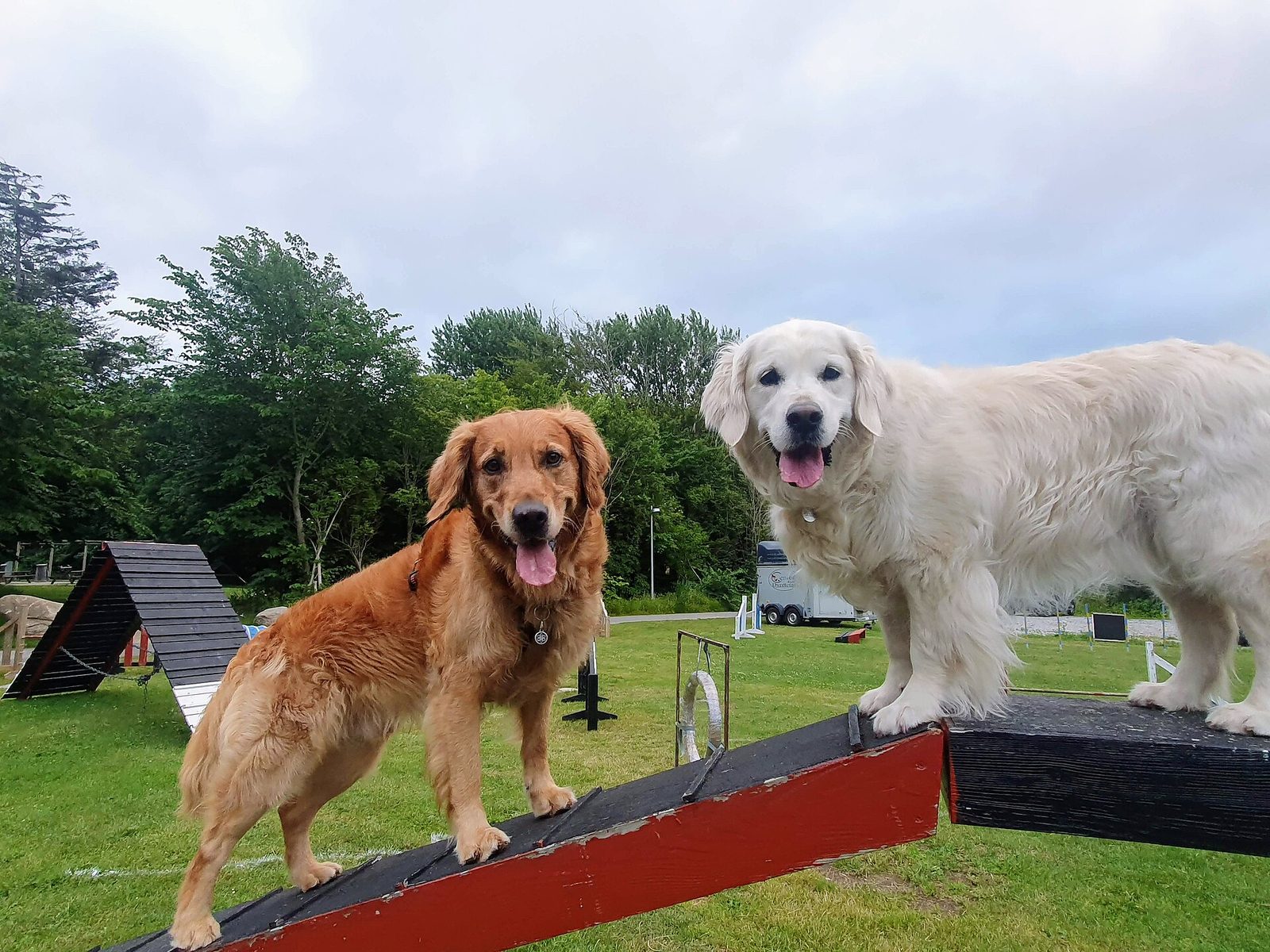
If your dog tenses up at the vet, pulls away during nail trims, or turns their head when you reach for their ears, you are not alone — and there is nothing wrong with your dog. Many dogs simply haven't been given a way to communicate that they're comfortable with handling, and that gap can make routine care stressful for everyone involved. The cooperative care chin rest is one of the most practical tools you can teach to change that dynamic, and it starts with a single, simple behaviour your dog can learn today.
What Is a Cooperative Care Chin Rest?
A chin rest is exactly what it sounds like: your dog places their chin in your hand (or on a surface) and holds it there. What makes it cooperative care is the meaning you build into that position together.
When your dog's chin is resting in your hand, the rule is simple — handling continues. The moment they lift their chin, everything stops. No corrections, no holding them still, just a clean pause. Over time, your dog learns that keeping their chin down is the signal they control, which gives them a genuine say in what happens to their body. This is sometimes called an "opt-in" or "start button" behaviour, and research into animal learning consistently shows that having control over an outcome reduces stress and helps animals engage more willingly with training.
If you'd like to explore how this fits into a broader training plan, our structured programmes are a great place to start.
What You'll Need
- Small, soft, high-value treats (think cheese, chicken, or whatever your dog finds genuinely exciting)
- A quiet space with minimal distractions
- Short sessions — a few minutes at a time is plenty
Teaching the Cooperative Care Chin Rest: Step by Step
Step 1 — Introduce Your Hand as a Target
Sit or kneel comfortably so you're at your dog's level. Cup one hand loosely, palm facing upward, and hold it just below your dog's muzzle. The moment their chin touches your hand — even lightly — mark the behaviour with a cheerful "yes" or a clicker, then deliver a treat with your other hand. Repeat this several times until your dog is confidently nudging their chin into your palm.
You're not luring here; you're simply presenting an interesting object and rewarding any contact. Dogs are naturally curious, and curiosity does the heavy lifting in this first step.
Step 2 — Build Duration
Once your dog is touching their chin to your hand reliably, start waiting a heartbeat longer before you mark. Gradually — over multiple short sessions — stretch that pause so your dog learns that keeping their chin down is what earns the reward. If they lift their chin early, simply reset: remove your hand, give a beat, then offer it again. There is no need to say anything or show any frustration; the absence of the reward does the communicating for you.
Step 3 — Introduce Light Handling
With your dog's chin resting in your palm, begin adding a gentle touch with your free hand — a light stroke along the ear, a brief touch near the collar. Mark and reward immediately after. Keep these touches brief and pleasant. You are pairing the sensation of being touched with something wonderful, which is the foundation of classical conditioning — your dog's brain begins to associate handling with good things happening.
If your dog lifts their chin at any point, simply stop the touch and wait for them to re-engage. Let them lead the pace.
Step 4 — Expand to Real-Life Handling
As your dog grows comfortable, begin to mirror the kinds of handling they'll experience in real life: checking between toes, lifting an ear flap, touching around the muzzle, or running a finger along the gum line. Always work in short bursts, always reward generously, and always honour the chin rest as a two-way agreement. If your dog needs a break, that information is valuable — it tells you where to spend more training time.
Step 5 — Generalise to New Locations and People
Practice the cooperative care chin rest in different rooms, outdoors, and eventually with other trusted people such as a partner or family member. Gradually working toward the vet's office, groomer, or anywhere handling happens means your dog will have a familiar, calming behaviour to fall back on when the environment is new.
Not sure where your dog is in their training journey? Take the free 60-second quiz to find the right starting point.
Common Troubleshooting
Dog won't hold still: Your duration is growing too fast. Drop back to shorter holds and build more slowly.
Dog seems uninterested in treats: Try a higher-value reward, or train before a meal when your dog is slightly more motivated.
Dog lifts chin the moment touching begins: The touch is too much, too soon. Reduce intensity — try just hovering your hand nearby before making contact.
One Final Thought
The cooperative care chin rest is less about perfecting a behaviour and more about building a relationship where your dog trusts that handling is safe — because they always have the option to pause it.
Struggling with the same thing?
Take the free 60-second quiz and get a science-based plan — results sent straight to your inbox.
Take the quiz →Prefer to read first? Grab the free 20-page guide →