
Container Search Nose Work: A Complete Guide
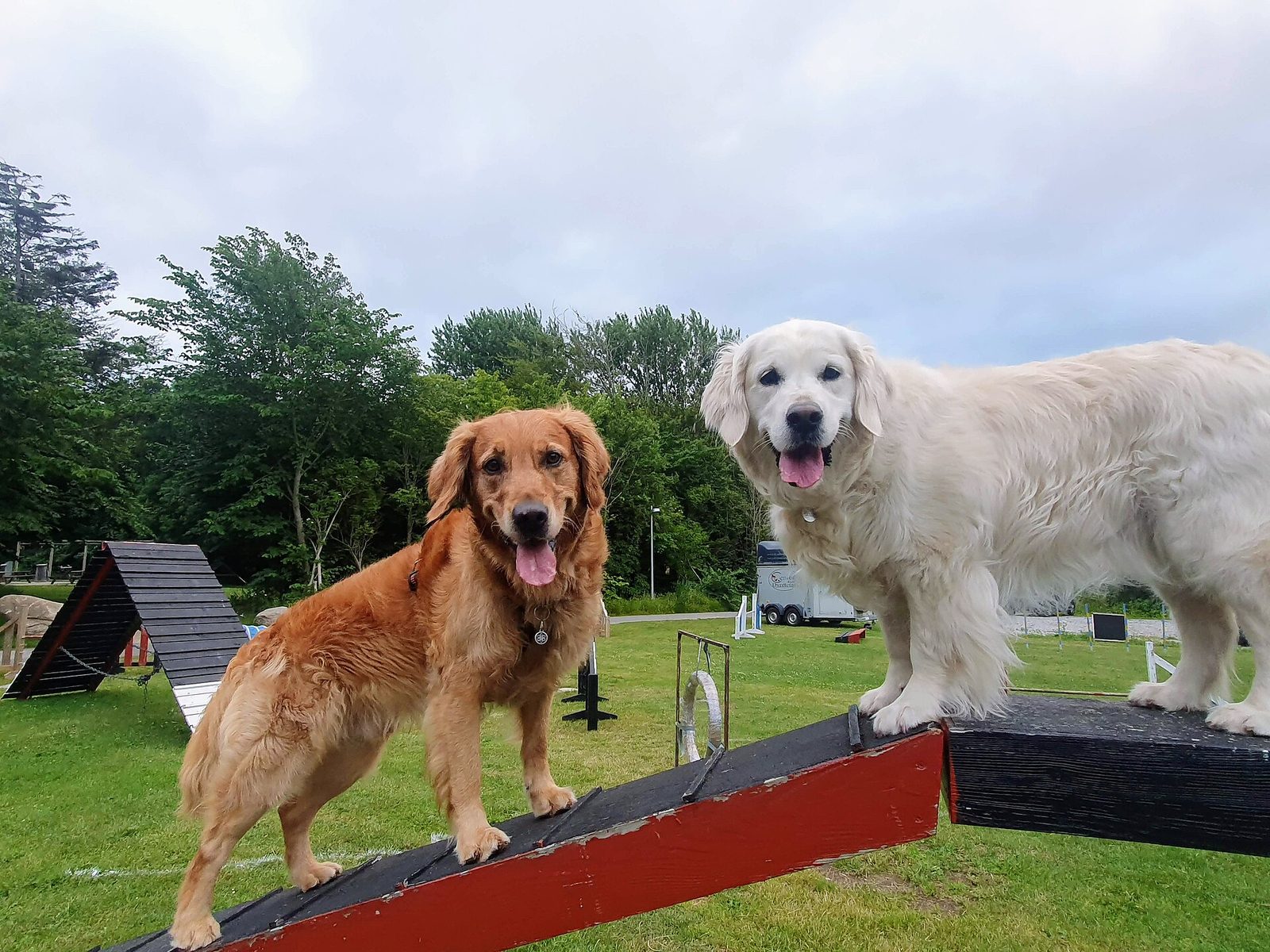
If your dog has ever sniffed every corner of a room before settling on the sofa, you already know their nose is extraordinary. Container search nose work is a way to put that natural talent to work — and it's one of the most satisfying activities you and your dog can do together. Whether you have a bouncy rescue who needs a mental outlet or a calm older dog looking for gentle enrichment, this activity meets dogs exactly where they are.
What Is Container Search Nose Work?
Container search is one of the core elements of sport nose work. Your dog learns to search a set of containers — usually identical cardboard boxes or tins — and indicate which one holds a specific scent. In competition, that target scent is typically a pure essential oil such as birch, anise, or clove. At home, you can begin with something even simpler: your dog's favourite treat or toy hidden inside a box.
The beauty of this work is rooted in how dogs learn. When a dog locates a scent and receives a reward, the brain links "finding that smell" with something wonderful. Over many repetitions, the desire to hunt that odour becomes deeply reinforced. The dog isn't performing for you — they're doing something that feels genuinely rewarding in its own right. That intrinsic motivation is what makes nose work so powerful.
If you're unsure where to start with your dog's training journey more broadly, explore our structured programs — they're designed to build skills progressively in a way that keeps dogs confident and engaged.
What You'll Need
- Six to ten identical containers (cardboard boxes or empty tins work well)
- High-value treats your dog loves
- A small tin or container with a tight-fitting lid that has tiny holes punched in it (for scent introduction later)
- A quiet space with minimal distractions
- A relaxed, patient mindset
Step-by-Step: Teaching Container Search Nose Work
Step 1: Build a Positive Association with Boxes
Before your dog searches anything, help them see boxes as exciting rather than neutral. Place a single empty box on the floor and wait. The moment your dog sniffs or approaches it, reward with a treat. Do this a handful of times across a couple of short sessions. You're teaching: "Interacting with boxes pays off."
Keep sessions short and end while your dog is still keen. Fatigue leads to disengagement, and you always want nose work to feel like the best game in the world.
Step 2: Introduce the "Hot Box"
Now you'll create a hot box — a container that holds the reward. Place a treat inside one box and arrange two or three empty boxes nearby. Let your dog move freely through the set. When they reach the hot box and sniff or paw at it, immediately reward them from your hand (not from the box itself). This is an important detail: rewarding from your hand keeps the scent picture clean and teaches your dog that finding the smell earns the prize, not raiding the box.
Gradually increase the number of empty containers as your dog gains confidence.
Step 3: Introduce a Target Odour
Once your dog is enthusiastically searching for a hidden treat, you can introduce a specific scent — birch essential oil is a common starting point in nose work sport. Place a tiny amount of oil on a cotton swab inside a small tin with holes. Hide this tin in the hot box alongside the treat reward.
Over many repetitions, your dog begins to associate that specific odour with the arrival of good things. Eventually you can hide the scented tin without any food, and your dog will still hunt for it because the odour itself predicts reward. This is classical conditioning at work — your dog isn't choosing to cooperate, they're genuinely excited by the smell.
Step 4: Shape a Clear Indication
A good indication tells you your dog has found the source. Some dogs paw at the box, some sit, some freeze and stare. Rather than imposing a specific behaviour, watch what your dog naturally does when they find the scent and reinforce that moment consistently. If you'd like a more precise indication such as a nose touch or a sit, you can use a simple shaping approach — reward approximations that get closer to the behaviour you want, one small step at a time.
Step 5: Vary the Setup
Now the fun begins. Change the number of containers, their arrangement, their height (some on the floor, one on a low chair), and the room you work in. Novelty keeps dogs engaged and sharpens their searching skills. Just increase difficulty gradually — one variable at a time — so your dog stays successful and motivated.
Keeping It Rewarding
The most important thing in container search nose work isn't perfect technique — it's your dog leaving each session eager for the next one. Watch their body language, keep sessions short, and celebrate every find with genuine enthusiasm.
Our structured training programs can help you build on these foundations in a clear, progressive way — and if you'd like a personalised starting point, take the free 60-second quiz on our homepage.
Your dog's nose knows — you just have to give it a job worth doing.
Struggling with the same thing?
Take the free 60-second quiz and get a science-based plan — results sent straight to your inbox.
Take the quiz →Prefer to read first? Grab the free 20-page guide →