
Consent Based Dog Handling: A Complete Guide
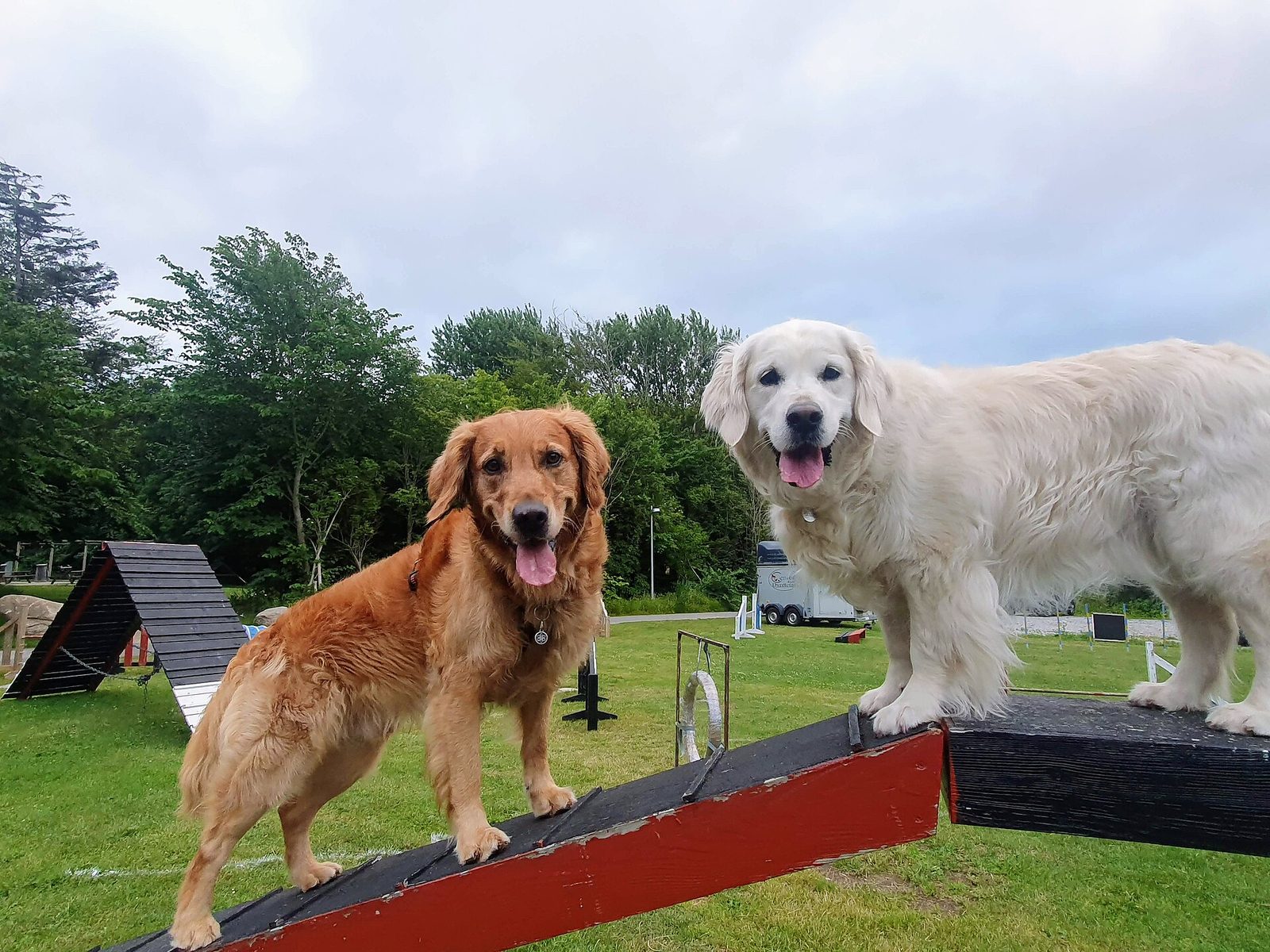
If your dog stiffens when you reach for their collar, shuffles away during grooming, or freezes the moment the nail clippers appear, you are not alone — and your dog is not being difficult. They are simply telling you something. Consent based dog handling is the practice of listening to that communication and building handling routines around your dog's comfort rather than compliance. The result is a dog who actively chooses to participate, which makes every vet visit, nail trim, and cuddle session calmer and more enjoyable for both of you.
What Consent Based Handling Actually Means
Consent based dog handling does not mean letting your dog opt out of every necessary procedure. It means giving your dog enough predictability, choice, and positive experience that they learn handling is safe — and often worth leaning into. Dogs who feel heard during handling show fewer stress signals over time, cooperate more readily, and tend to generalise that trust to new situations like vet clinics or groomers.
The science behind this is straightforward: behaviours that are followed by good things get repeated. When your dog discovers that sitting still for an ear check reliably produces a treat, staying still becomes the smart strategy from their perspective. You are not bribing them — you are teaching them the rules of a game they can win.
Step 1: Learn Your Dog's Stress Signals
Before you can honour consent, you need to know what "no" looks like. Dogs rarely go from calm to snapping without warning. The early signals are subtle:
- Lip licking or yawning outside of a tired or hungry context
- Turning the head away or avoiding eye contact
- A stiff, still body rather than relaxed wiggles
- Slow, deliberate movement away from your hands
- Whale eye — you can see the whites of their eyes
When you spot these signals during handling, pause. Give your dog a moment to resettle. Pushing through them teaches your dog that their communication does not work, which is when dogs escalate.
Step 2: Introduce the Chin Rest
The chin rest is one of the most practical consent tools in reward-based handling. You teach your dog to place their chin in your open palm, and you use that position as a voluntary "start" signal.
How to teach it
- Hold your palm flat and low, near your dog's muzzle height.
- The moment their chin touches your hand — even briefly — mark it with a calm "yes" and deliver a treat.
- Repeat until your dog is confidently and quickly dropping their chin into your hand.
- Gradually increase the duration before you mark and reward.
Once the chin rest is fluent, you can introduce light handling — a gentle touch on the ear, a brief look at the paw — while your dog holds the position. If they lift their chin, handling pauses immediately. That clear cause-and-effect gives your dog genuine control, and dogs who feel in control tend to be far less reactive.
Step 3: Build Handling in Small Pieces
Rushing full procedures before your dog is ready is one of the most common pitfalls. Instead, break every handling task into the smallest possible steps and make sure each one is comfortable before moving on.
For nail trims, for example, start by simply presenting the clippers near your dog and rewarding heavily for calm interest. Over several short sessions, work toward touching the clippers to a paw, then holding a paw, then tapping a single nail — treating generously at every stage. The timeline will vary from dog to dog, and that is completely fine. Dogs who have had difficult handling experiences in the past may need more time, and that investment pays off.
Short sessions, high value
Keep handling sessions brief and end on a positive moment before your dog shows any stress signals. A few confident repetitions are worth far more than a long session that ends in discomfort.
Step 4: Use Environmental Set-Up
Where and how you practise matters. A slippery floor can make a dog feel unstable and uncooperative. A familiar mat or non-slip surface gives them something to orient to. Practising in a quiet room rather than a busy hallway reduces background stress. These small adjustments make your dog more available to learn and more likely to stay in the game.
If you would like structured guidance on building these skills alongside your dog's broader training, explore our reward-based training programs — there is a good chance you will find an approach that fits your routine.
Step 5: Generalise Gradually
Once your dog is comfortable with handling at home, slowly introduce the same exercises in mildly different settings — the garden, a friend's house, or the waiting room of your vet clinic before an appointment. Novel environments take a little adjustment, so bring your best treats and keep sessions light.
You can also take our 60-second quiz on the homepage to find out which training approach suits your dog best right now.
Consent based dog handling is not a trick — it is a relationship skill, and every small session you invest in it quietly adds up to a dog who genuinely trusts your hands.
Struggling with the same thing?
Take the free 60-second quiz and get a science-based plan — results sent straight to your inbox.
Take the quiz →Prefer to read first? Grab the free 20-page guide →