
Confidence Building Tricks Dogs: A Complete Guide
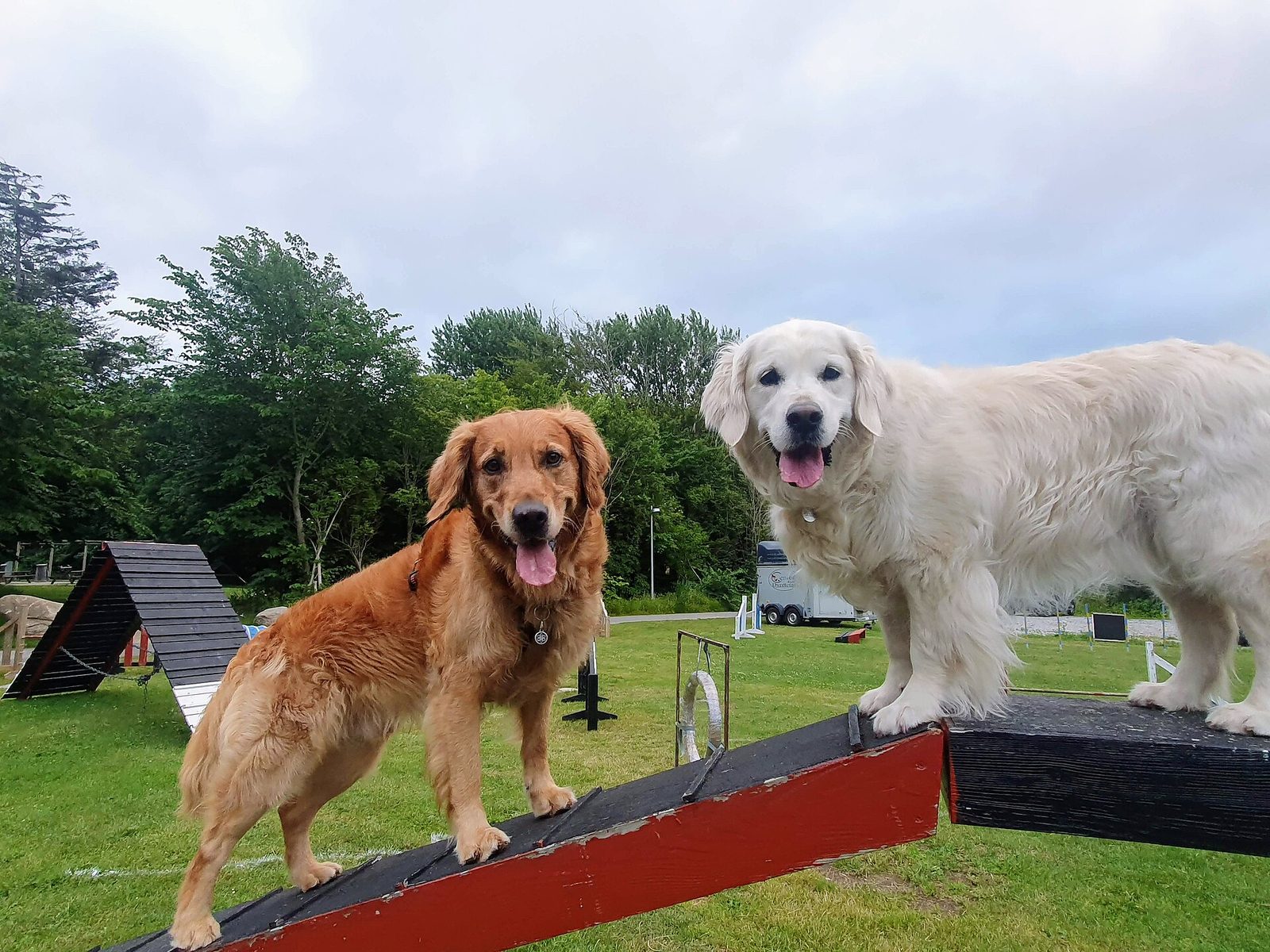
If your dog startles easily, hangs back on walks, or needs a little extra encouragement before trying something new, you are not alone — and there is nothing wrong with your dog. Some dogs simply come into the world with a more cautious outlook, and others have had experiences that knocked their confidence along the way. The good news is that confidence building tricks dogs can practise together with you are one of the most enjoyable and effective ways to help a nervous or uncertain dog feel genuinely capable in the world.
Why Tricks Work for Building Confidence
Learning a new skill feels good — for dogs just as much as for people. When a dog figures out that a specific behaviour earns a reward, something useful happens: the dog starts to associate trying things with good outcomes. Over time, that association generalises. Dogs who have a solid history of reward-based learning tend to approach novel situations with more curiosity and less anxiety, because they have built up a kind of internal confidence that experimenting is safe.
Tricks are particularly well suited to this because they are low-stakes and completely under your control. You choose the difficulty, you choose the pace, and you can adjust either the moment your dog needs you to. That predictability is exactly what an uncertain dog needs.
Getting Started: The Foundations
Set your dog up to succeed
Before you teach anything, make sure conditions are calm. A quiet room with minimal distractions is ideal when introducing a new skill. Use tiny, soft treats your dog finds genuinely exciting — something that makes their nose twitch the moment the bag opens.
Keep early sessions short. A handful of successful repetitions beats a long session that ends in frustration. Finish while your dog is still engaged and keen.
Use a marker
A marker — a short, distinct sound like a clicker or a crisp "yes" — tells your dog the exact moment they did the right thing. Because the marker is always followed by a treat, it becomes deeply meaningful. For a hesitant dog, this clarity is especially helpful: there is no ambiguity, no guessing. The marker says that, right there, was brilliant.
Five Confidence Building Tricks Dogs Can Learn at Any Level
1. Hand target (touch)
Hold your flat palm a few centimetres from your dog's nose. Most dogs will investigate naturally. The instant their nose touches your hand, mark and reward. This trick is wonderful for confidence because it gives the dog an active, successful job to do — and physical contact initiated on their terms is quietly empowering.
2. Go to your mat
Place a mat or folded towel on the floor and reward any interest in it — a glance, a step toward it, a paw on it. Gradually shape the behaviour until your dog walks to the mat and settles on it on cue. A dog who has a place they choose to go to feels safe and in control of their environment, which is a foundation of genuine confidence.
3. Nose work
Scatter a few small treats in the grass or hide them under upturned cups for your dog to sniff out. Sniffing is naturally calming for dogs, and succeeding at a search task is a real confidence boost. This is one of the best confidence building tricks dogs with fearful tendencies can try because the dog works at their own pace with no pressure.
4. Chin rest
Teach your dog to rest their chin in your cupped hand. Lure gently, mark the moment contact is made, and reward. This is useful practically — for veterinary handling — but it also teaches a dog that calm, still behaviour earns great things. Stillness and confidence go hand in hand.
5. Stepping over and onto surfaces
Use a low plank, a yoga mat, or a wobble cushion to encourage your dog to step onto different textures and surfaces. Go slowly, reward generously, and never push or force. As your dog discovers they can navigate unfamiliar things without anything bad happening, their willingness to engage with the world broadens noticeably.
How to Keep Progress Moving
Patience is your most important tool. If your dog stalls on a step, make it easier rather than repeating the same prompt. Progress is not linear, and a dog who seems to go backwards for a session or two is often consolidating what they have already learned.
Celebrate small wins genuinely — your enthusiasm is information for your dog. A happy, relaxed owner helps create a happy, relaxed learner.
If you are not sure where to begin or which style of training suits your dog's personality, our structured training programmes can help you find the right fit. You might also find it useful to take the free 60-second quiz on our homepage to get a personalised starting point.
Start with one trick, practise it until it feels easy for both of you, and then build from there — every small success is a brick in a more confident dog.
Struggling with the same thing?
Take the free 60-second quiz and get a science-based plan — results sent straight to your inbox.
Take the quiz →Prefer to read first? Grab the free 20-page guide →