
Clingy Dog Won'T Leave Me Alone: A Complete Guide
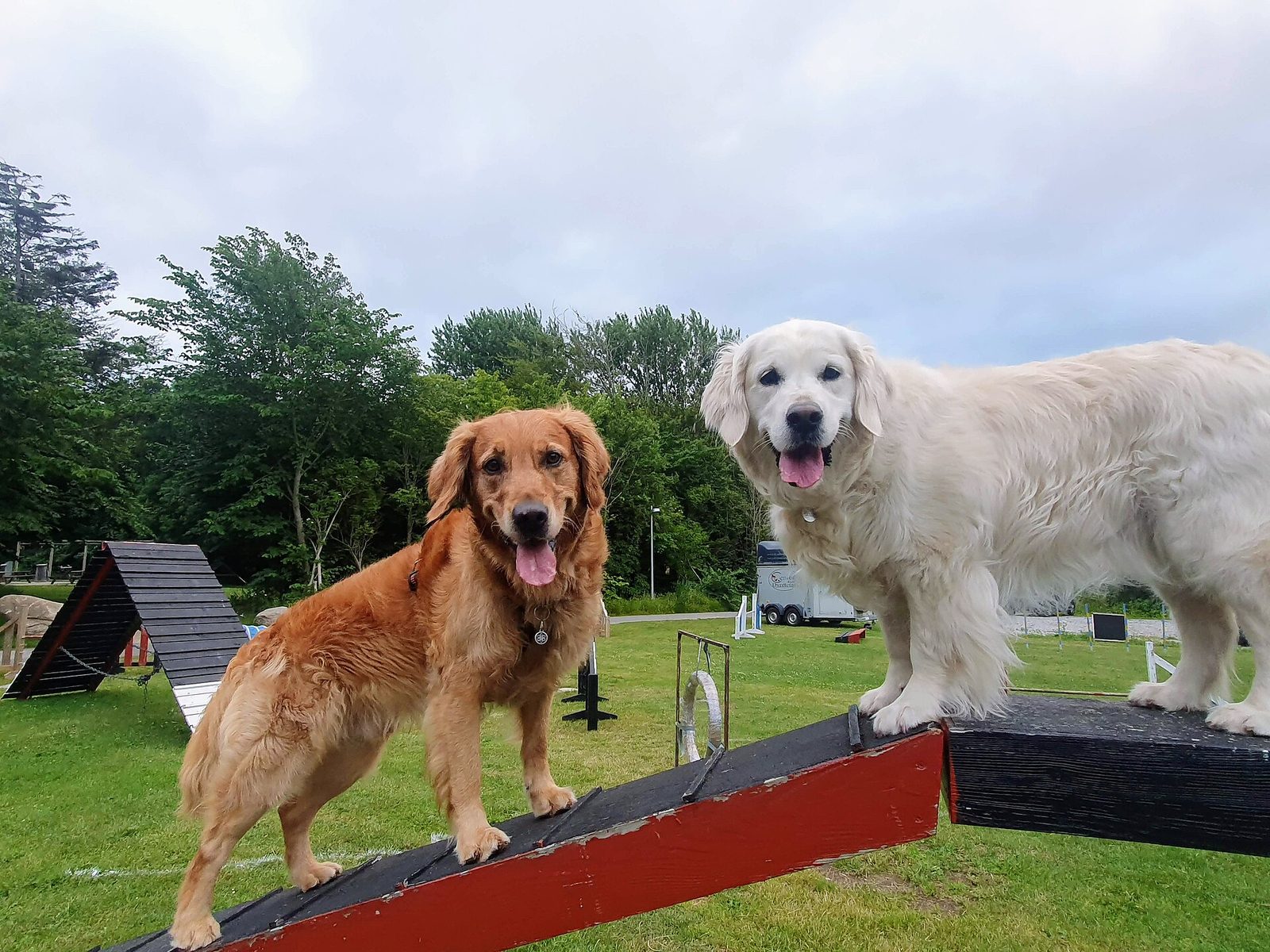
If your clingy dog won't leave me alone is a sentence you've found yourself thinking — or saying out loud — you're far from the only one. A dog who follows you from room to room, paws at you the moment you sit down, or panics when you're out of sight can be genuinely exhausting, even when you love them deeply. The good news is that this behaviour is almost always something you can gently reshape, without any drama or punishment, using the same science-backed principles that underpin all effective reward-based training.
Why Dogs Become Clingy
Before jumping into the how, it helps to understand the why. Dogs are social animals, and some degree of wanting to be near you is completely normal — it's actually one of the things that makes them such wonderful companions. But when a dog won't leave me alone no matter what I do, something has usually tipped the balance.
Common contributors include:
- Reinforcement history. Every time your dog nudged you and you gave them attention, a stroke, or even just eye contact, that behaviour was quietly rewarded. Dogs repeat what works.
- Lack of a settled default behaviour. Dogs who haven't learned that calm, independent rest is valuable will often fill the gap with proximity-seeking.
- Underlying anxiety. For some dogs, clinginess is tied to genuine worry about separation. If your dog also shows distress when you leave — vocalising, destructive behaviour, toileting indoors — it's worth speaking to your vet before starting training.
Understanding this matters because the solution isn't to push your dog away or ignore them harshly. It's to teach them, step by step, that settling independently is both safe and rewarding.
Step 1: Build a Rewarding Settle Spot
The foundation of everything is giving your dog somewhere brilliant to be that isn't glued to your side.
Choose and load the spot
Pick a bed or mat in a room where you spend time. Spend a few short sessions simply dropping high-value treats onto the mat whenever your dog looks at it, steps on it, or sniffs it. You're building a strong positive association — "this place is where good things happen."
Shape the down-stay
Once your dog is happily visiting the mat, start rewarding them for lying down on it. Keep sessions short and end them before your dog wanders off. Gradually build the duration by rewarding calm, settled behaviour every few seconds at first, then spacing rewards out as your dog gets more comfortable.
Step 2: Practise Short, Deliberate Separations
If your clingy dog won't leave me alone even for a moment, the key is to make independence feel completely unremarkable — not something that happens to them, but something that predicts good things.
Start tiny
With your dog on their settle spot, take one step away, return, and reward. Repeat this until your dog stays relaxed. Gradually increase the distance and the time before you return. The rule of thumb: always return before your dog gets up or shows signs of anxiety. Success builds on success.
Use a calm release cue
Teach a word like "free" or "off you go" that signals your dog can move. This actually makes the boundary clearer — your dog learns that until they hear that word, the settle is still in play.
Step 3: Stop Accidentally Rewarding the Clinginess
This step is subtle but important. When a clingy dog won't leave me alone, it's natural to respond — to stroke them, talk to them, or move to accommodate them. Each of those responses, however gentle, can reinforce the behaviour.
Instead, try this: when your dog pesters you, stand up calmly and move away without fuss, then a moment later, redirect them to their settle spot and reward them for going there. You're not punishing the clingy behaviour; you're simply making the settle spot more rewarding than following you is.
Step 4: Build Confidence Through Enrichment
Clingy dogs often benefit from activities that give them something absorbing to do independently. Sniff-based enrichment — scatter feeding, snuffle mats, or a Kong stuffed with something tasty — is particularly powerful because sniffing is naturally calming for dogs. A dog happily working through a puzzle feeder is a dog practising being comfortable in their own company.
A structured training programme can also make a real difference here, helping you build your dog's confidence and focus in a consistent, progressive way.
A Note on Separation Anxiety
If your dog's clinginess is accompanied by distress when left alone — not just preference for your company, but genuine panic — the steps above are a starting point, but you may need specialist support. Your vet is the right first call.
Not sure where your dog falls on that spectrum? The free 60-second quiz on our homepage can help you figure out the best next step.
The single most important thing to remember: every moment you reward your dog for being calm and settled, you're investing in a dog who feels safe enough to relax — and that's the real goal.
Struggling with the same thing?
Take the free 60-second quiz and get a science-based plan — results sent straight to your inbox.
Take the quiz →Prefer to read first? Grab the free 20-page guide →