
Cds Treatment For Dogs: A Complete Guide
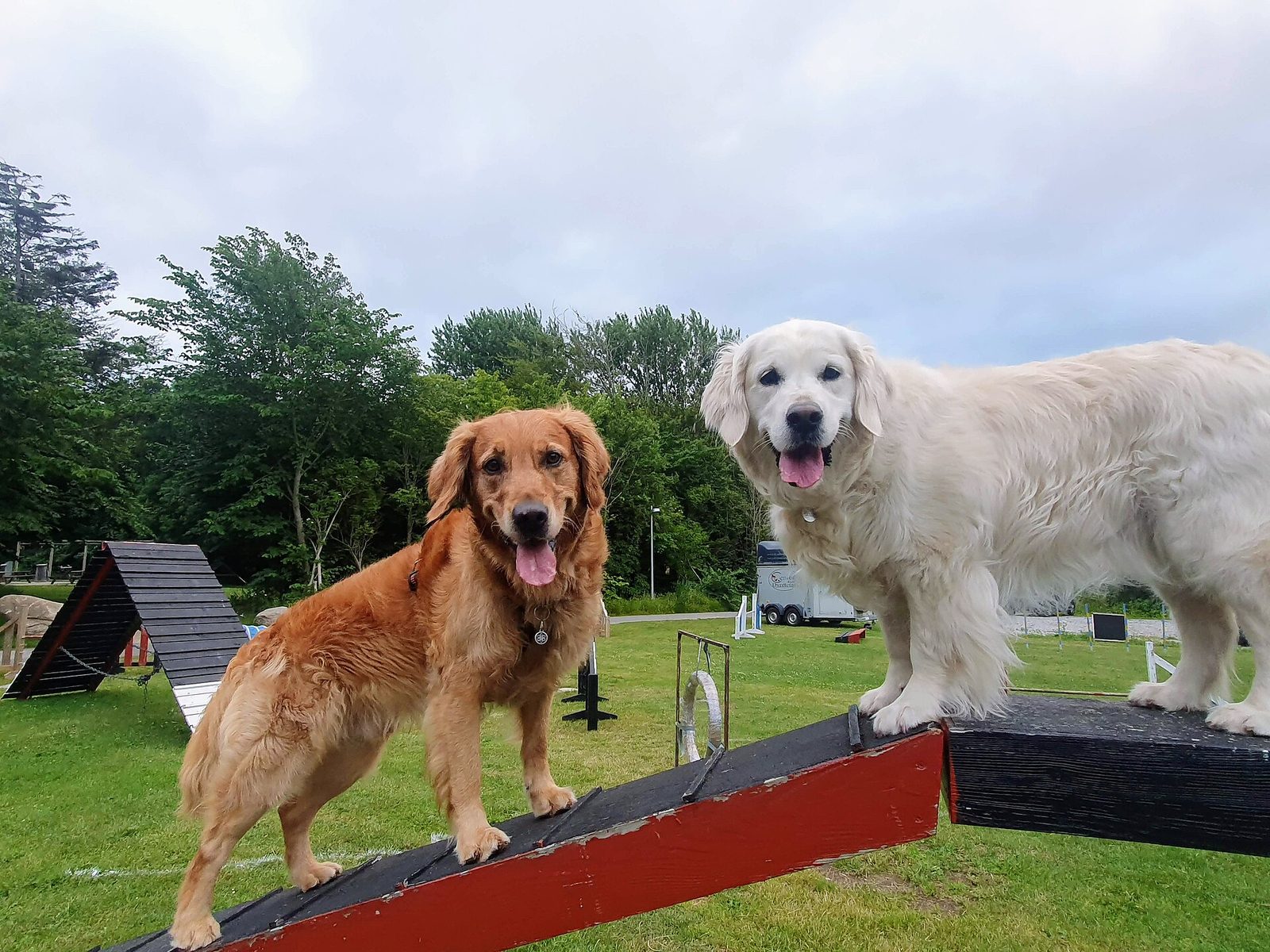
If your dog has started seeming confused, restless at night, or less like themselves, it can be quietly heartbreaking to witness. Canine Dysfunction Syndrome — often called CDS — is a gradual neurological change that affects some older dogs, and noticing it early gives you the best chance to help. The good news is that thoughtful, reward-based CDS treatment for dogs can make a real difference to daily life, for both of you.
What CDS Actually Looks Like
CDS shares some features with dementia in humans. You might notice your dog:
- Getting "stuck" in corners or staring at walls
- Waking and wandering during the night
- Seeming less interested in greetings or play they used to love
- Forgetting house-training that was previously solid
- Appearing anxious or easily startled
These changes happen gradually, which is why many owners first chalk them up to "just getting old." If you're seeing a cluster of these signs, a vet visit is the right first step — they can rule out other causes (pain, vision loss, thyroid issues) and help shape your approach to CDS treatment for dogs at home.
Why Reward-Based Methods Matter Even More Now
A dog with CDS is already living with a brain that processes information more slowly and less reliably than it once did. Stress makes that harder. Any method that relies on correction, pressure, or fear adds a layer of anxiety onto a nervous system that is already struggling — and anxious dogs with CDS typically show more severe symptoms.
Reward-based training does the opposite: it keeps emotional arousal low, creates positive associations with daily routines, and — crucially — gives the brain gentle, enjoyable work to do. Research into brain health across species consistently points to "use it or lose it." Gentle mental engagement is part of good CDS treatment for dogs, not a luxury.
Practical Steps You Can Start Today
1. Keep the Environment Predictable
Rearranging furniture, changing feeding times, or moving the dog's bed can all increase confusion. Stability is a form of care. If your home needs to change, introduce changes one small step at a time and use familiar scent cues (an unwashed blanket, for example) to anchor your dog's safe spaces.
2. Protect Sleep Cycles
Nighttime waking is one of the most exhausting parts of living with a dog who has CDS — for everyone. A few things that often help:
- Keep evening activity calm and predictable (a short, sniff-led walk rather than vigorous play)
- Use a night light so the environment is less disorienting
- Consider a cosy, enclosed sleeping area — some dogs feel safer with boundaries around them
- Speak to your vet about whether melatonin or other supports are appropriate for your dog
3. Reframe "Relearning" as a Game
If your dog has started having accidents indoors, go back to basics without frustration — literally back to puppy-style toilet training. Take them outside frequently, calmly celebrate every success with a small treat and gentle praise, and simply clean up accidents without reaction. This isn't regression; it's a brain that needs reminders, and reward-based repetition is exactly how those reminders stick best.
4. Add Gentle Daily Enrichment
Short, sniff-focused activities are ideal. A dog's nose stays sharp long after other faculties begin to fade, and sniffing is genuinely calming as well as mentally engaging. Try:
- Scatter feeding (spreading their kibble across a patch of grass so they search for it)
- Simple nose-work games where you hide a treat under one of three cups
- Short, slow sniff walks where your dog sets the pace
Keep sessions brief. A few minutes of calm engagement is more useful than a long session that ends in tiredness or frustration. If you'd like structure around this, our dog enrichment and training programs give you a step-by-step framework that's easy to follow at home.
5. Support the Body to Support the Brain
Physical health and brain health are connected. Gentle, regular movement keeps circulation going and maintains muscle condition that helps your dog navigate the world safely. Ask your vet about joint support if mobility is becoming an issue — a dog in pain moves less, and less movement accelerates decline.
Diet is worth discussing with your vet too. Some therapeutic foods are formulated specifically to support cognitive function in ageing dogs, and your vet can advise whether these are appropriate.
6. Work Closely With Your Vet
Effective CDS treatment for dogs is rarely just one thing. Medication, environmental adjustments, enrichment, and dietary changes often work best together. Keep a simple diary of your dog's good days and harder days — this gives your vet genuinely useful information to guide decisions over time.
Not sure where to start with your dog's specific needs? Take the free 60-second quiz on our homepage and we'll point you toward the right next step.
Above all else, remember: your presence, your calm, and your consistency are themselves a form of treatment — and your dog still feels all of that.
Struggling with the same thing?
Take the free 60-second quiz and get a science-based plan — results sent straight to your inbox.
Take the quiz →Prefer to read first? Grab the free 20-page guide →