
Can you teach an old dog new tricks
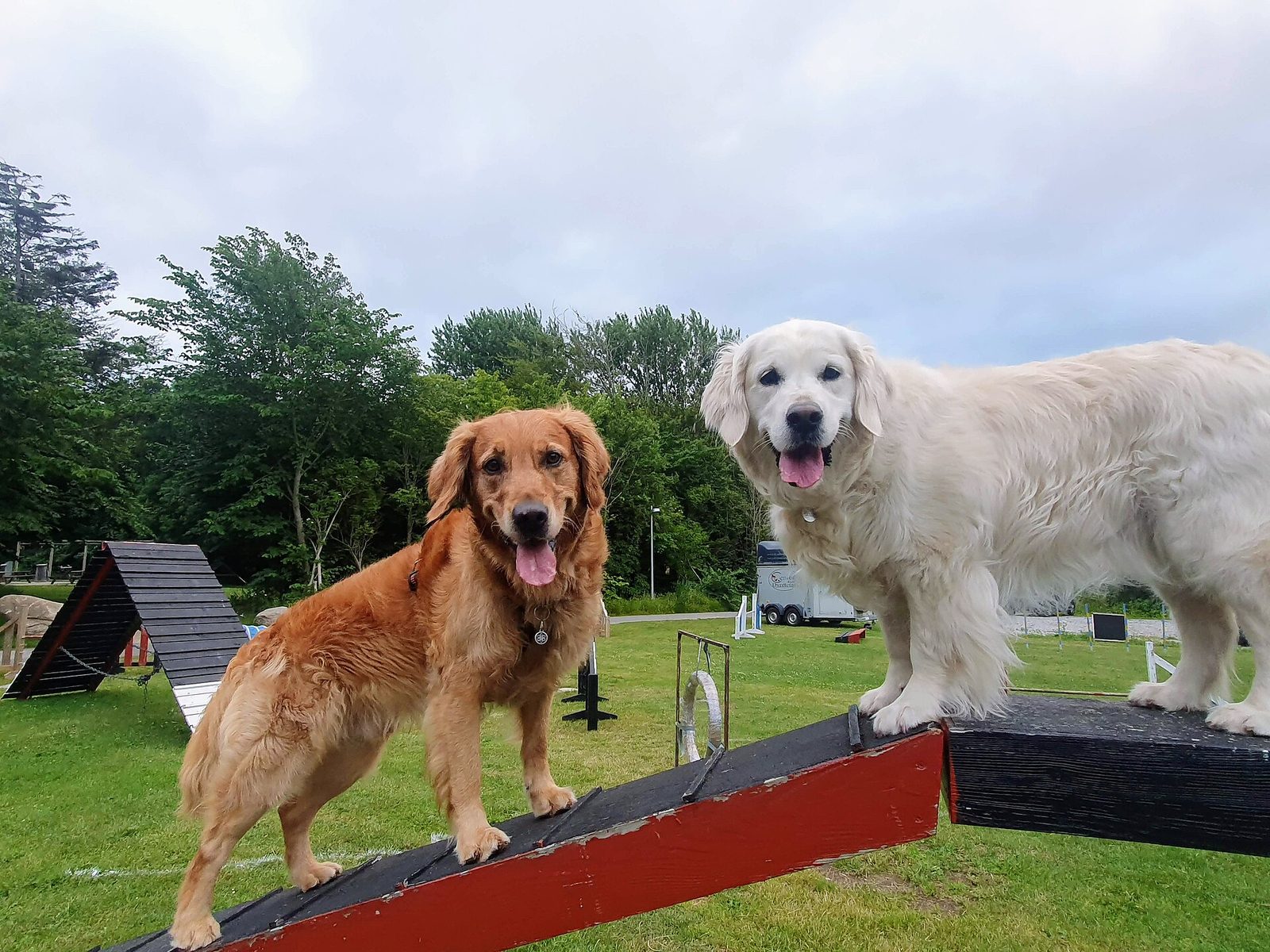
If your dog is getting on in years and you've started wondering whether it's even worth trying to teach them something new, you're not alone. The phrase "you can't teach an old dog new tricks" is one of the most persistent myths in the dog world — and it's one that holds a lot of owners back from trying. The good news is that the science of how dogs learn tells a very different story. With the right approach, patience, and a pocket full of something tasty, you absolutely can teach an old dog new tricks.
Why the Myth Exists — and Why It's Wrong
The idea that older dogs are set in their ways comes from a misunderstanding of how learning works. Dogs — like people — learn through associations and consequences throughout their entire lives. A behaviour that gets rewarded is more likely to happen again. That principle doesn't switch off when a dog turns seven, ten, or fourteen.
What does change as dogs age is their physical and sensory world. An older dog may have some hearing or vision loss. Joints might be stiffer, making certain movements uncomfortable. They may tire more quickly in a training session. None of these things mean learning stops — they just mean the way you teach needs to adapt slightly. Once you account for that, the door opens wide.
How to Start Training an Older Dog
Step 1: Check In with Your Vet First
Before starting anything new, a quick vet visit is worthwhile. This isn't about getting permission — it's about making sure you have a clear picture of your dog's comfort levels. If your dog has arthritis, for example, you'll want to avoid asking them to sit repeatedly on a hard floor. Knowing what's comfortable for your dog lets you design sessions that feel good rather than frustrating.
Step 2: Choose the Right Rewards
Reward-based training works because the dog connects a behaviour with something they genuinely want. For older dogs, it's worth taking a moment to figure out what that actually is right now. Food is often still the easiest tool — small, soft, easy-to-chew treats work well if teeth are a little more sensitive. Some dogs respond brilliantly to calm verbal praise or a gentle stroke. Let your dog tell you what they find rewarding by watching their reaction. Enthusiasm is your signal.
Step 3: Keep Sessions Short and Sweet
Older dogs often benefit from shorter, more frequent training windows rather than long sessions. A few minutes a couple of times a day is a perfectly effective structure. End each session while your dog is still engaged and successful — a session that finishes on a win leaves both of you feeling good and builds positive associations with the whole process.
Step 4: Break New Skills into Tiny Steps
One of the most important things you can do when you teach an old dog new tricks is to make each step genuinely achievable. If you want to teach your dog to go to a mat and lie down, start just by rewarding any interest in the mat at all — a glance, a sniff, a paw touching it. Build from there. This approach, called shaping, uses your dog's natural curiosity and lets them figure things out without pressure. It's also genuinely enjoyable for dogs of any age because they get to be the problem-solver.
Step 5: Use a Marker
A marker — a short, consistent sound (like the word "yes" or a click from a clicker) — tells your dog the exact moment they've done the right thing. This is helpful with any dog, but particularly useful with older ones whose hearing or processing speed may have shifted. The marker bridges the gap between the behaviour and the reward, making the message crystal clear. Pair the marker with a treat consistently, and your dog will quickly learn that sound means something good is coming.
Step 6: Build on What They Already Know
Older dogs often have a history of experiences and, quite possibly, some trained behaviours already in their repertoire. These are assets, not obstacles. If your dog already knows "sit," you have a solid foundation to build a whole chain of behaviours from. Starting from familiar ground builds confidence — and a confident dog learns more readily.
What to Expect Along the Way
Progress may look different compared to training a young puppy. Older dogs sometimes need a little more repetition before something becomes fluent, and that's completely normal. What you'll often find, though, is that adult and senior dogs have longer attention spans and less of the fizzy distraction energy that puppies bring. That can make them genuinely lovely to train.
If you'd like structured support as you work through this with your dog, our reward-based training programs are built around exactly this kind of patient, step-by-step approach — and they work for dogs of every age. You can also take the free 60-second quiz on our homepage to find the best starting point for you and your dog.
The single most important thing to hold onto: it's never too late to learn together.
Struggling with the same thing?
Take the free 60-second quiz and get a science-based plan — results sent straight to your inbox.
Take the quiz →Prefer to read first? Grab the free 20-page guide →