
Camping With Dogs Training: The Reward-Based Approach That Works
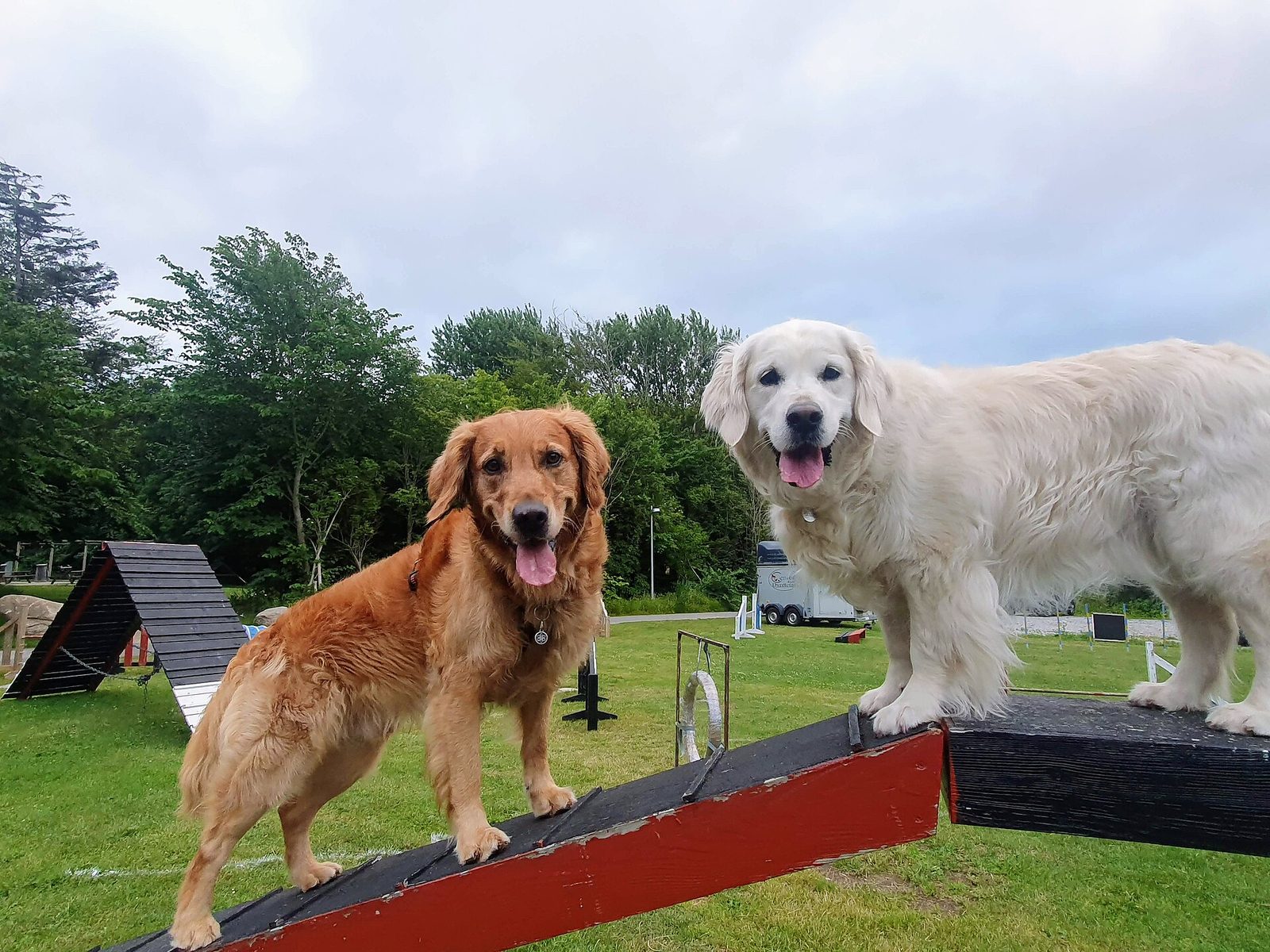
The moment you imagine your dog bounding through a forest trail or curled beside a campfire feels wonderful — right up until you picture them tangled in a leash, barking at every squirrel, or refusing to settle in an unfamiliar tent. Good news: with the right approach to camping with dogs training, those anxious moments are very much avoidable. The key is working with your dog's natural desire to feel safe and earn good things, rather than against it.
Why Reward-Based Training Works So Well Outdoors
The outdoors is rich in distractions — smells, sounds, wildlife, other campers. In that environment, your voice and a treat need to compete with everything nature has to offer. Reward-based training wins that competition because it builds a genuine, motivated response: your dog chooses to engage with you because doing so pays off. Corrections and pressure, by contrast, can raise stress levels precisely when the goal is a calm, happy dog on an adventure.
If you're not sure where to begin, our structured training programs can help you lay a strong foundation before you ever leave home.
Building the Foundation at Home First
Solid camping with dogs training doesn't start at the campsite — it starts in your living room.
Teach a Reliable "Place" Cue
A designated spot (a mat, sleeping pad, or folded blanket) gives your dog somewhere to settle that feels familiar even in strange environments. Toss a treat onto the mat, let your dog step on it, and mark the moment with a calm "yes" or a clicker. Gradually build duration by rewarding them for staying longer before releasing them. Practise this daily until your dog moves to the mat with enthusiasm.
Practise Leash Manners on Novel Terrain
Camping with dogs almost always means leash time on uneven, unpredictable ground. Reward your dog heavily for walking near you on varied surfaces — gravel paths, grass, woodland trails in your local park. Every time they glance up at you unprompted, that's a "check-in" worth rewarding. Check-ins become your safety net when a rabbit darts across the path.
Work on a Strong Recall
A reliable "come" is arguably your most important camping skill. Build it in low-distraction areas first, then progressively more distracting ones. Always make coming to you the best thing that happens to your dog: high-value treats, enthusiastic praise, and never anything unpleasant immediately after.
Introducing Camping-Specific Skills
Once the basics are solid, start adding the specific contexts your dog will encounter on a trip.
Tent and Sleeping Bag Familiarisation
Set the tent up in your garden or a room, and let your dog investigate it freely. Toss treats inside so they associate the space with good things. Feed meals near or inside the tent. By the time you actually camp, the tent will smell familiar and feel like a reward zone — not a strange, stressful container.
Settling Around a "Campfire" (Real or Simulated)
The sight and sound of fire can be startling for a dog who has never seen one. Start with something low-key — a candle, a garden fire pit at a distance — and reward calm behaviour. Sit together, give your dog something to chew, and let them habituate at their own pace. Pair the experience with long-lasting chews or stuffed food toys, which naturally encourage relaxed settling behaviour.
Practising Tethering Safely
At many campsites, dogs need to be secured near your pitch. Introduce a long line or a ground stake anchor gradually at home. Reward your dog for relaxed behaviour while tethered, and never leave them tethered unsupervised. A confident dog who has practised this settles far more easily than one encountering it for the first time.
Realistic Timelines to Set Yourself Up for Success
There's no universal answer for how long camping with dogs training takes — every dog is different. A confident adult dog with good basic manners might be ready for a short overnight trip within a few weeks of targeted prep. A younger dog, or one with more anxiety, may need a longer runway. The most useful mindset is: progress over perfection. A dog that settles calmly at camp for an hour is doing brilliantly; build from there.
Not sure where your dog currently sits? Take the free 60-second quiz on our homepage to get a sense of the skills worth focusing on first.
On the Day: Tips for a Smooth First Trip
- Bring familiar items: their bed, their usual bowls, their favourite chews.
- Keep the first trip short — one night is plenty to start.
- Stick as closely as possible to your dog's normal feeding and walking routine.
- Reward calm, relaxed behaviour generously throughout the day.
- Let your dog decompress after — camping is mentally tiring, even when it goes well.
The best camping trips with your dog are built quietly, over weeks of small, rewarding moments at home — and that patient groundwork pays off every time you unzip the tent together.
Struggling with the same thing?
Take the free 60-second quiz and get a science-based plan — results sent straight to your inbox.
Take the quiz →Prefer to read first? Grab the free 20-page guide →