
Brain Games For Dogs: A Complete Guide
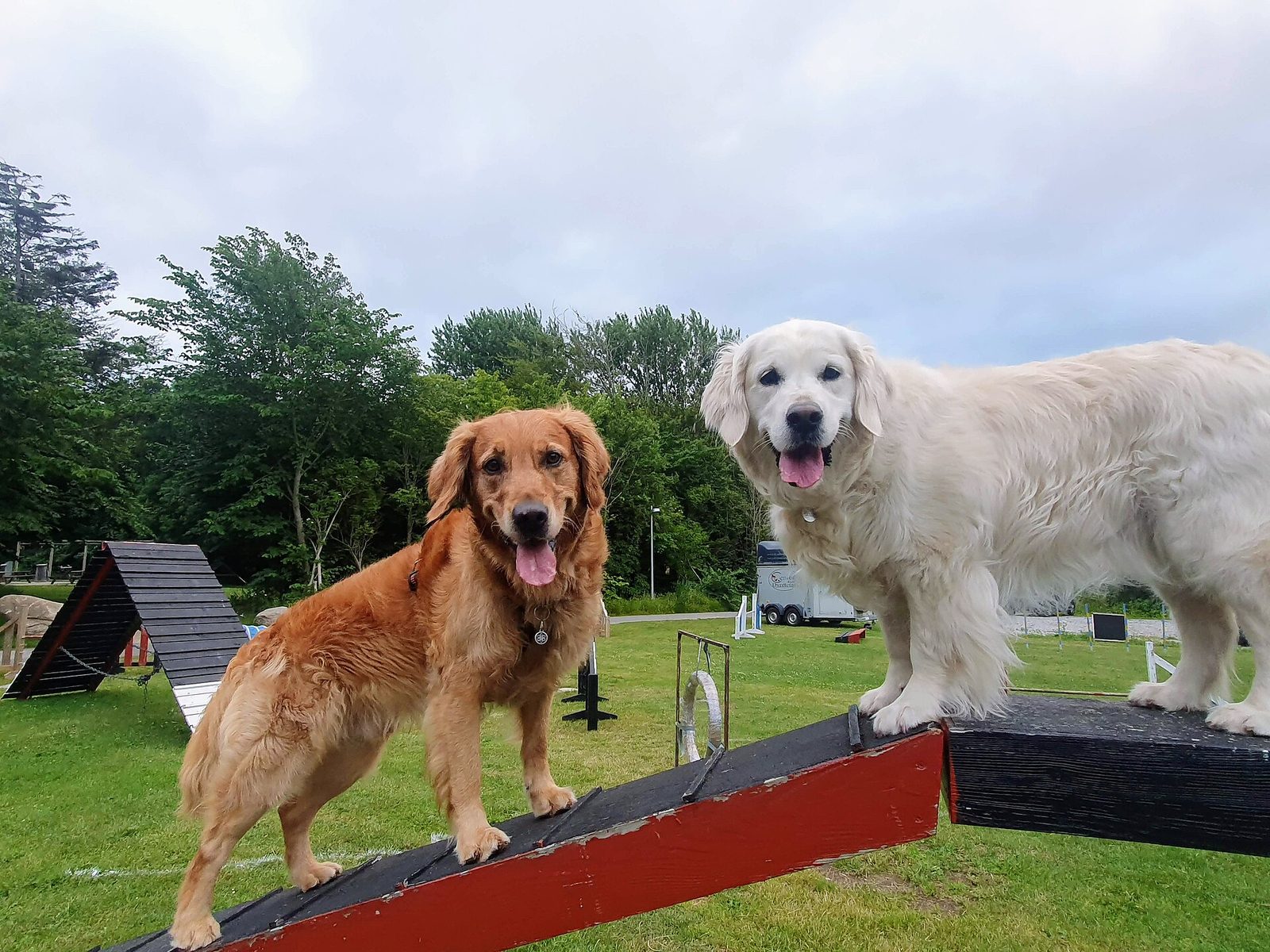
If your dog has ever shredded a cushion, barked at nothing, or paced the hallway while you worked, there is a good chance they were not being difficult — they were simply bored. Dogs are natural problem-solvers, and when life does not give them enough to think about, they find their own solutions. The good news is that brain games for dogs are one of the most effective, accessible ways to satisfy that need — and most of them cost nothing and take only a few minutes a day.
Why Mental Stimulation Matters
Physical exercise is important, but it is only part of the picture. A dog who has had a long walk can still be restless if their mind has not been engaged. Mental effort is genuinely tiring in a satisfying way — the kind of tired that leads to a dog settling calmly rather than finding new mischief.
Brain training works because it taps into how dogs actually learn. When a dog figures something out and a reward follows, the brain releases feel-good chemicals that make the dog want to try again. Over time, this builds a dog who is more confident, more focused, and more responsive — not because they have been drilled into obedience, but because thinking has become genuinely enjoyable for them.
Getting Started: What You Need
You do not need expensive equipment. Start with:
- Small, soft treats your dog finds genuinely exciting
- A quiet space with few distractions
- Short sessions — a few minutes at a time is plenty, especially for beginners
- A calm, patient mindset (your energy sets the tone)
Keep sessions short and positive. If your dog seems frustrated or loses interest, make the task easier and end on a win.
Five Brain Games to Try Today
1. The Muffin Tin Game
Place treats under a few tennis balls in a muffin tin. Let your dog sniff out which cups hold the reward and flip the balls off to get them. Start with every cup covered so they can build confidence, then gradually make it harder by leaving some empty.
Why it works: This game encourages sniffing and problem-solving simultaneously. Scent work is one of the most cognitively demanding — and naturally rewarding — activities a dog can do.
2. Find It
Toss a treat onto the floor and say "find it." Once your dog has the idea, start hiding treats around the room while they wait, then release them to search. Progress to different rooms or the garden as they improve.
Why it works: Sniffing engages the brain intensely and dogs find it deeply satisfying. This game also builds impulse control because the dog learns to wait for your cue before rushing off.
3. The Two-Cup Shuffle
Show your dog a treat, place it under one of two cups, then switch the cups around slowly. Ask them to choose. Reward any attempt at first, then refine to only reward correct choices as they get the hang of it.
Why it works: This develops focus and observation skills. Dogs who play this game regularly often become noticeably sharper at reading their environment.
4. New Trick Training
Teaching something new — even something small like "touch" (nose to hand) or "spin" — is excellent brain training. Break every new skill into tiny steps and reward each one. If your dog gets it right three times in a row, that step is solid enough to move on.
Why it works: Learning new behaviours through positive reinforcement strengthens the communication between dog and owner. It also gives dogs a sense of achievement that builds their confidence over time.
5. Puzzle Feeders
Swap the food bowl for a snuffle mat, licki mat, or a simple foraging toy once a day. Let your dog work for their meal rather than eating it in seconds.
Why it works: Dogs are natural foragers. Slowing mealtimes down this way reduces anxiety in some dogs and provides a satisfying, low-stress mental workout every single day.
Building It Into Your Routine
You do not need to overhaul your schedule. One or two short brain game sessions a day, a puzzle feeder at mealtimes, and a regular "find it" game on walks is more than enough to make a meaningful difference.
If you want a more structured approach, our training programmes are built around exactly this kind of positive, reward-based learning — designed to grow with your dog at whatever pace suits you both. You can also take the free 60-second quiz on our homepage to find out which style of brain training might suit your dog best right now.
As your dog gets better at each game, keep raising the bar slightly. The goal is always to stay just ahead of what they find easy — challenging enough to be interesting, achievable enough to be rewarding.
One Last Thought
A thinking dog is a happy dog — and brain training for dogs online or at home does not need to be complicated. Start with one game today, keep it fun, and watch your dog light up.
Struggling with the same thing?
Take the free 60-second quiz and get a science-based plan — results sent straight to your inbox.
Take the quiz →Prefer to read first? Grab the free 20-page guide →