
Boredom Chewing Vs Anxiety Chewing: A Complete Guide
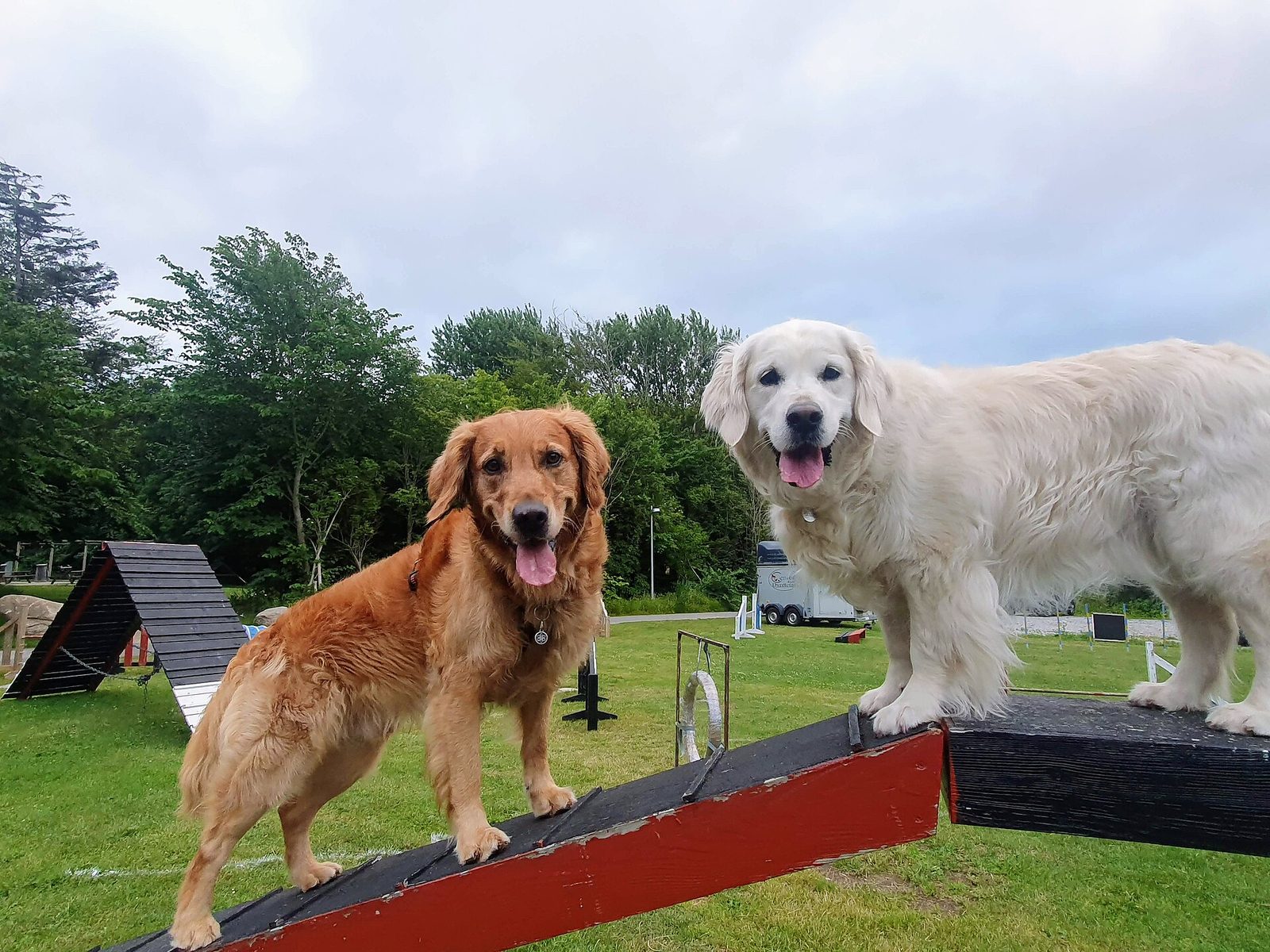
Finding your favourite shoes reduced to confetti, or your sofa corner quietly hollowed out — it's one of those moments where you love your dog completely and also want to sit down and cry. Before you can fix the chewing, though, you need to understand why it's happening. Boredom chewing vs anxiety chewing might look identical on the surface, but they have different roots, and that means they need different solutions.
Why the Distinction Matters
Chewing is completely normal dog behaviour. It releases feel-good chemicals in the brain, helps puppies through teething, and gives dogs a healthy outlet for physical and mental energy. The problem isn't chewing itself — it's chewing the wrong things, and for reasons that are going unaddressed.
When you correctly identify whether you're dealing with boredom chewing vs anxiety chewing, you can respond in a way that actually helps your dog feel better rather than simply managing the symptom. Reward-based training works because it teaches your dog what to do rather than just punishing what not to do — and that positive information sticks.
How to Tell the Difference
Signs of Boredom Chewing
A bored dog is essentially an under-stimulated dog. They have energy, curiosity, and nothing constructive to do with either.
- Chewing tends to happen when the dog has been left alone for a while or hasn't had enough exercise or mental engagement that day
- The dog is otherwise relaxed — they greet you happily when you arrive home
- Destruction is often spread across several objects rather than focused in one spot
- Puppies and adolescent dogs are especially prone to this, simply because their need for stimulation is very high
Signs of Anxiety Chewing
Anxiety chewing — most commonly separation anxiety — is driven by genuine emotional distress. It is not "spite" or "dominance." Your dog is coping with a feeling they don't know how to manage.
- Chewing is often focused on exit points: doors, window frames, or the area near where you left
- Other stress signals accompany it: excessive vocalising, house-training regression, pacing, or refusing to eat while alone
- The dog may seem unsettled even before you leave — picking up on your departure cues like grabbing your keys
- The destruction happens quickly, often within the first minutes of you leaving
If you're unsure which pattern fits, a short video taken while you're out can be incredibly revealing.
Steps to Address Boredom Chewing
Step 1 — Give appropriate outlets before they're needed
Exercise and mental enrichment take the edge off. A long sniff walk (letting your dog stop and smell freely) is more tiring than a brisk trot on a short lead. Aim to do this before any period when your dog will be alone.
Step 2 — Make legal chewing irresistible
Rotate a small selection of chews and chew toys so they always feel novel. Stuff a rubber Kong with something high-value and freeze it. Your dog can't choose the sofa if a better option is right there.
Step 3 — Reward the right choice
When you catch your dog chewing their own toy, mark the moment with a cheerful "yes!" and offer a small treat or warm praise. This isn't bribery — it's information. You're telling them clearly: this is what works. Repetition builds habit.
Step 4 — Manage the environment while the habit forms
Management isn't failure. While your dog is learning, keep tempting items out of reach and use a crate or pen if your dog is comfortable in one. This prevents rehearsal of the unwanted behaviour, which matters because behaviours that are practised become fluent.
Steps to Address Anxiety Chewing
Step 1 — Build a positive association with being alone
Start with absences so short they don't trigger any stress — even stepping outside for a few seconds. Return before your dog shows anxiety, and pair your departure with something wonderful, like a stuffed chew they only get at those times. Gradually, at your dog's pace, extend the duration.
Step 2 — Neutralise departure cues
Pick up your keys and then sit back down. Put on your coat and watch TV. Repeat this often. When the cues stop predicting your departure so reliably, they stop triggering the anxiety spiral.
Step 3 — Seek professional support if needed
Separation anxiety exists on a spectrum. Mild cases often respond well to a structured programme — exploring our training programmes is a great starting point. More severe cases benefit from working with a qualified behaviourist, and sometimes a vet conversation is worthwhile too, since anxiety is physiological as much as behavioural.
Step 4 — Never punish on return
Coming home to destruction and reacting with anger doesn't teach your dog anything useful — they can't connect your reaction to something that happened hours ago. A calm, neutral return is always the right call.
One Last Thing
Not sure where your dog's chewing fits? Take our free 60-second quiz to get a clearer picture and a personalised starting point.
The single most useful thing to remember: understanding the why behind boredom chewing vs anxiety chewing is what makes everything else work — because the right solution for a bored dog and a worried dog are genuinely different, and your dog deserves the one that actually fits.
Struggling with the same thing?
Take the free 60-second quiz and get a science-based plan — results sent straight to your inbox.
Take the quiz →Prefer to read first? Grab the free 20-page guide →