
Attention Seeking Dog Behavior: A Complete Guide
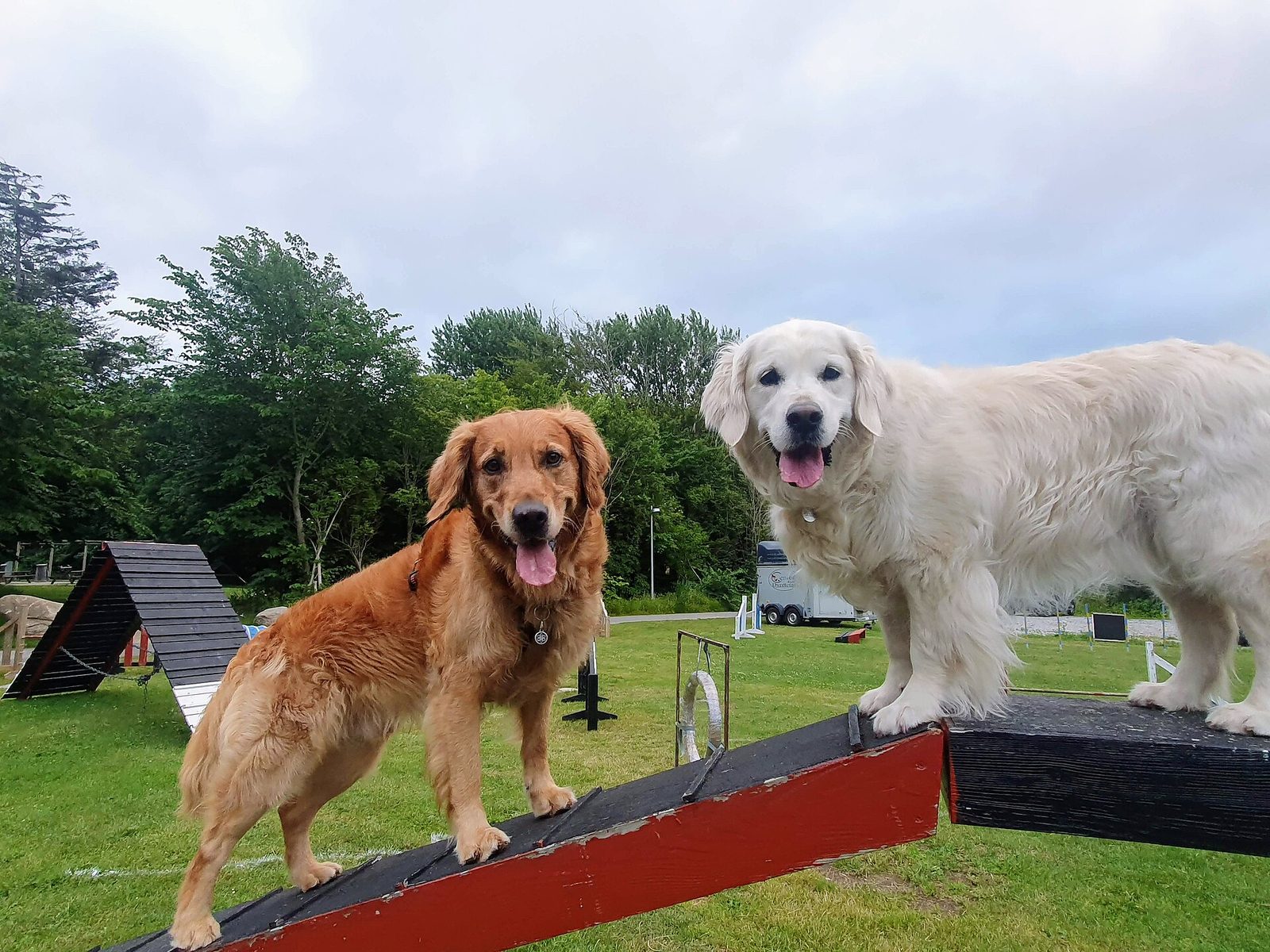
If your dog nudges your hand for the hundredth time while you're trying to work, or barks until you look up from your phone, you're not alone — and your dog isn't being "bad." Attention seeking dog behavior is one of the most common things owners ask about, and the good news is that it responds really well to a few straightforward, reward-based changes. Understanding why it happens makes the whole process much easier.
Why Dogs Seek Attention in the First Place
Dogs are deeply social animals. Seeking proximity and interaction with the people they live with is completely natural — it's part of what makes them such good companions. The challenge arises when the behavior becomes relentless or disruptive.
The core reason attention seeking dog behavior persists is simple: it works. When your dog paws at you and you respond — even by saying "not now" or gently pushing them away — that response is a form of attention. From your dog's perspective, the behavior just paid off. This is the principle of reinforcement at work, and it's not a flaw in your dog; it's just how learning operates for every living creature.
Step One: Identify What You're Accidentally Reinforcing
Before you can change the pattern, it helps to notice which specific behaviors are getting rewarded.
What to look for
Common attention seeking dog behavior includes nudging, pawing, barking, whining, jumping up, bringing toys and dropping them repeatedly, or even just intense staring. Make a quick mental note of which ones you tend to respond to — and what your response looks like.
Why this matters
You can't address a behavior you haven't clearly identified. Once you see the pattern, you can make deliberate choices rather than reacting on autopilot.
Step Two: Withdraw Attention Consistently
Once you've identified the behaviors you want to reduce, the next step is to stop reinforcing them — calmly and consistently.
How to do it
When your dog nudges, barks for attention, or paws at you, avoid eye contact, turn your body slightly away, and stay quiet. No "no," no gentle push — just a neutral, quiet absence of response. This is called extinction: removing the reinforcement that was keeping the behavior going.
What to expect
Behavior often gets a little more intense before it fades — dogs naturally try harder when something that used to work stops working. This is normal and temporary. Stay calm and consistent, and the behavior will lose its steam.
Step Three: Reward the Behavior You Do Want
Withdrawing attention from unwanted behavior is only half the equation. The other half — the part that really makes training stick — is actively rewarding calm, settled behavior.
Catching your dog being calm
When your dog settles quietly nearby without demanding attention, that's your moment. Calmly offer praise, a treat, or gentle attention. You're teaching your dog that calm behavior is what earns interaction, not pestering.
Teaching an alternative behavior
You can also give your dog a specific behavior to offer instead of nudging or barking — a sit, for example, or settling on a mat. Every time they offer that behavior instead, reward it warmly. Over time, this replacement behavior becomes their go-to.
Step Four: Meet Your Dog's Needs Proactively
Dogs are often attention seeking because real needs aren't being met before they reach boiling point. Think of it as filling the bucket before it overflows.
Build in regular connection
Short, frequent play sessions, training games, and calm companionship go a long way. A dog who gets reliable, predictable attention from you throughout the day is generally less frantic about demanding it.
Enrichment matters
Mental stimulation — puzzle feeders, sniff games, short training sessions — can reduce the overall restlessness that drives a lot of attention seeking dog behavior. A dog with an outlet for their energy is a calmer dog.
If you're not sure where to start with training games and enrichment activities, exploring a structured dog training program can give you a clear, progressive path to follow.
Step Five: Be Patient With Yourself, Too
Changing a well-established behavior pattern takes time — both for your dog and for you. It's normal to slip up and accidentally respond sometimes. One inconsistent moment won't undo your progress. Just return to your approach and keep going.
If you're unsure which aspects of your dog's behavior to tackle first, the free 60-second quiz on our homepage can help you figure out where to focus your energy.
The one-line takeaway: Attention seeking dog behavior is sustained by the responses it triggers — so by rewarding calm and quietly ignoring demands, you give your dog a clear, kind roadmap to the connection they're really after.
Struggling with the same thing?
Take the free 60-second quiz and get a science-based plan — results sent straight to your inbox.
Take the quiz →Prefer to read first? Grab the free 20-page guide →