
Approved Digging Zone Dog: A Complete Guide
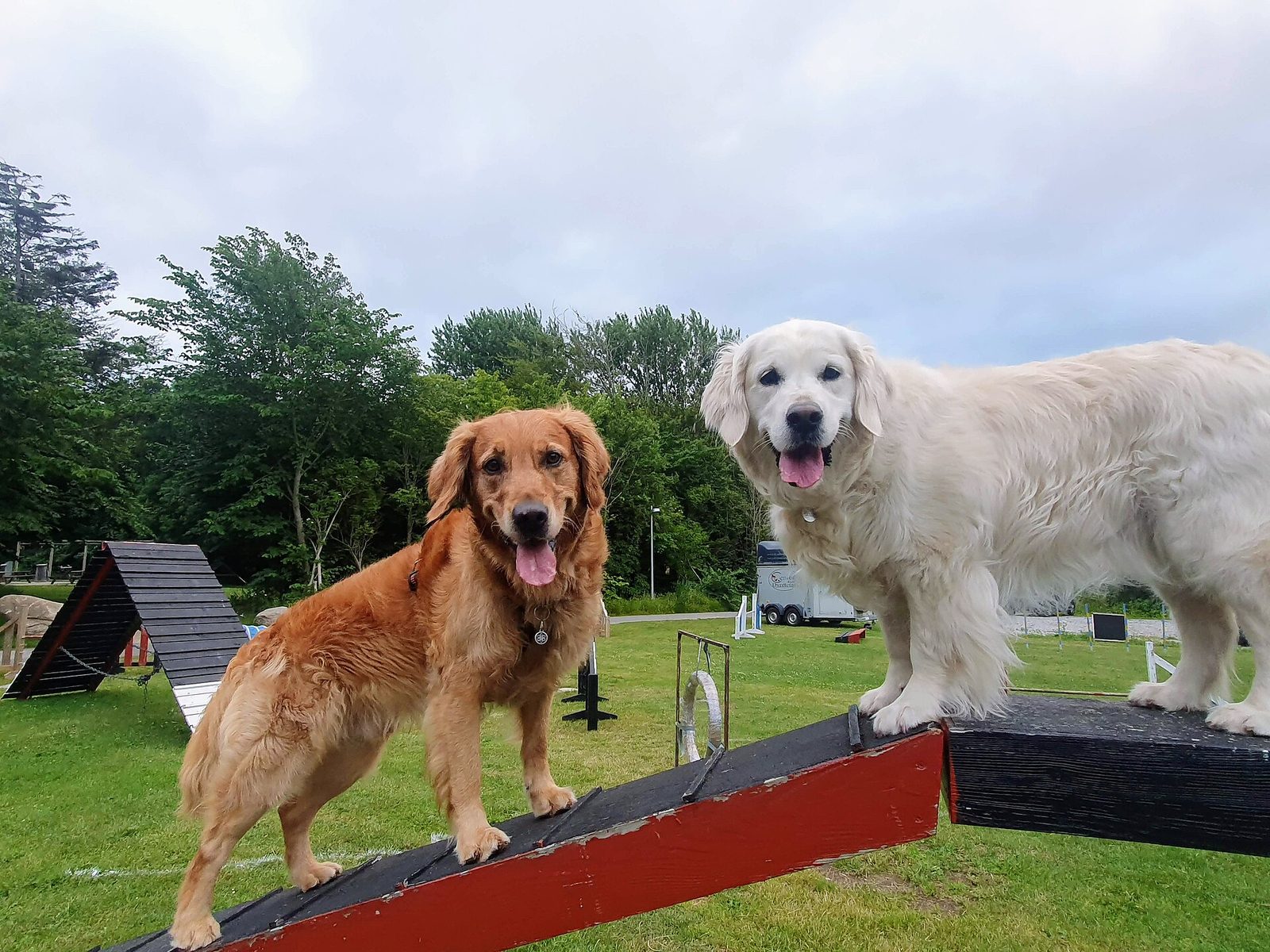
If your garden looks like it's been through a treasure hunt — complete with craters, uprooted plants, and a very satisfied dog — you are absolutely not alone. Digging is a natural, deeply satisfying behaviour for dogs, and trying to stop it entirely is an uphill battle. A far more effective approach is giving your dog somewhere approved to dig. Setting up an approved digging zone for your dog redirects that energy somewhere useful, keeps your garden intact, and — crucially — keeps your dog mentally and physically fulfilled.
Here is how to do it, step by step.
Why Dogs Dig (and Why That Matters for Training)
Before you redirect anything, it helps to understand what's driving the behaviour. Dogs dig for a range of reasons: to find interesting scents, to cool down, to bury or retrieve items, out of boredom, or simply because it feels great. Digging releases energy, engages the nose, and scratches a deeply ingrained instinct.
This is important because reward-based training works by satisfying the underlying need through an acceptable outlet — not by suppressing the impulse entirely. When your dog has an approved digging zone they genuinely love, the behaviour shifts there organically, because that's where the good stuff happens.
Step 1: Choose and Prepare the Right Spot
Pick a practical location
Choose a spot that works for both of you. Somewhere with partial shade is ideal, since dogs often dig to find cooler ground. A corner of the garden works well — it gives a clear physical boundary your dog can learn.
Define the area clearly
Use raised wooden borders, large stones, or landscape edging to physically mark the zone. Dogs learn spatial boundaries more quickly when there's a clear visual and tactile difference between "here" and "everywhere else."
Fill it with appealing substrate
Loose, sandy soil or a sandbox-style fill is irresistible to most dogs. Avoid compacted or rocky ground — if it's hard to dig, your dog will go elsewhere. You want this spot to be the easiest and most rewarding place to dig in the whole garden.
Step 2: Make the Zone the Most Exciting Place to Dig
Seed it with buried treasure
This is the cornerstone of building an approved digging zone your dog will actually use. Bury high-value items — favourite toys, chews, treats — just below the surface. Let your dog watch you bury something, then encourage them to dig it up. The discovery itself becomes a huge reward.
Over time, vary what's buried and how deep. This unpredictability keeps your dog coming back, because the zone feels like a place where good things might always be waiting.
Use enthusiastic praise
When your dog digs in the approved zone, celebrate it. A happy voice, a stroke, a treat — layer those rewards. You are teaching your dog a clear message: digging here is something you love.
Step 3: Interrupt and Redirect Digging Elsewhere
Stay calm and consistent
When you catch your dog digging somewhere unapproved, avoid scolding or startling them. Instead, use a cheerful interrupter — call their name or use a recall cue — and guide them to the approved zone.
Reward the arrival, not just the digging
Once they're at the approved zone, encourage them to dig and reward generously when they do. You are building a habit: unapproved spot leads to nothing; approved zone leads to good things. Over many repetitions, this pattern becomes self-reinforcing.
Make unapproved spots less appealing
You can gently reduce access to problem areas with temporary fencing, planters, or paving slabs. You're not punishing your dog — you're just managing the environment while the new habit builds. This is a core principle of our reward-based training programs: set the environment up for success while you teach the new behaviour.
Step 4: Keep the Zone Fresh and Rewarding
Rotate buried items regularly
A digging zone that always yields something wonderful stays compelling. If it goes "dry" for too long, your dog may start prospecting elsewhere.
Add enrichment sessions
A few minutes of structured digging play — where you bury something in front of your dog and cheer them on — strengthens the association and gives you a lovely bonding activity. Dogs who have regular enrichment outlets tend to be calmer and less destructive overall.
Monitor for boredom digging
If you notice a surge in digging behaviour generally, it's often a signal your dog needs more physical exercise, mental stimulation, or social time. The digging zone is part of the solution, but it works best alongside a fulfilling daily routine. Not sure where to start with enrichment? Take the free 60-second quiz on our homepage to find the right fit for your dog.
A Note on Patience
Building a reliable approved digging zone dog habit takes consistency over weeks, not days. Every time you reward the right choice, you're laying down another layer of learning. It adds up.
Give your dog somewhere wonderful to dig, and they will dig there — that's the whole secret.
Struggling with the same thing?
Take the free 60-second quiz and get a science-based plan — results sent straight to your inbox.
Take the quiz →Prefer to read first? Grab the free 20-page guide →