
Anxious Dog Symptoms: A Complete Guide
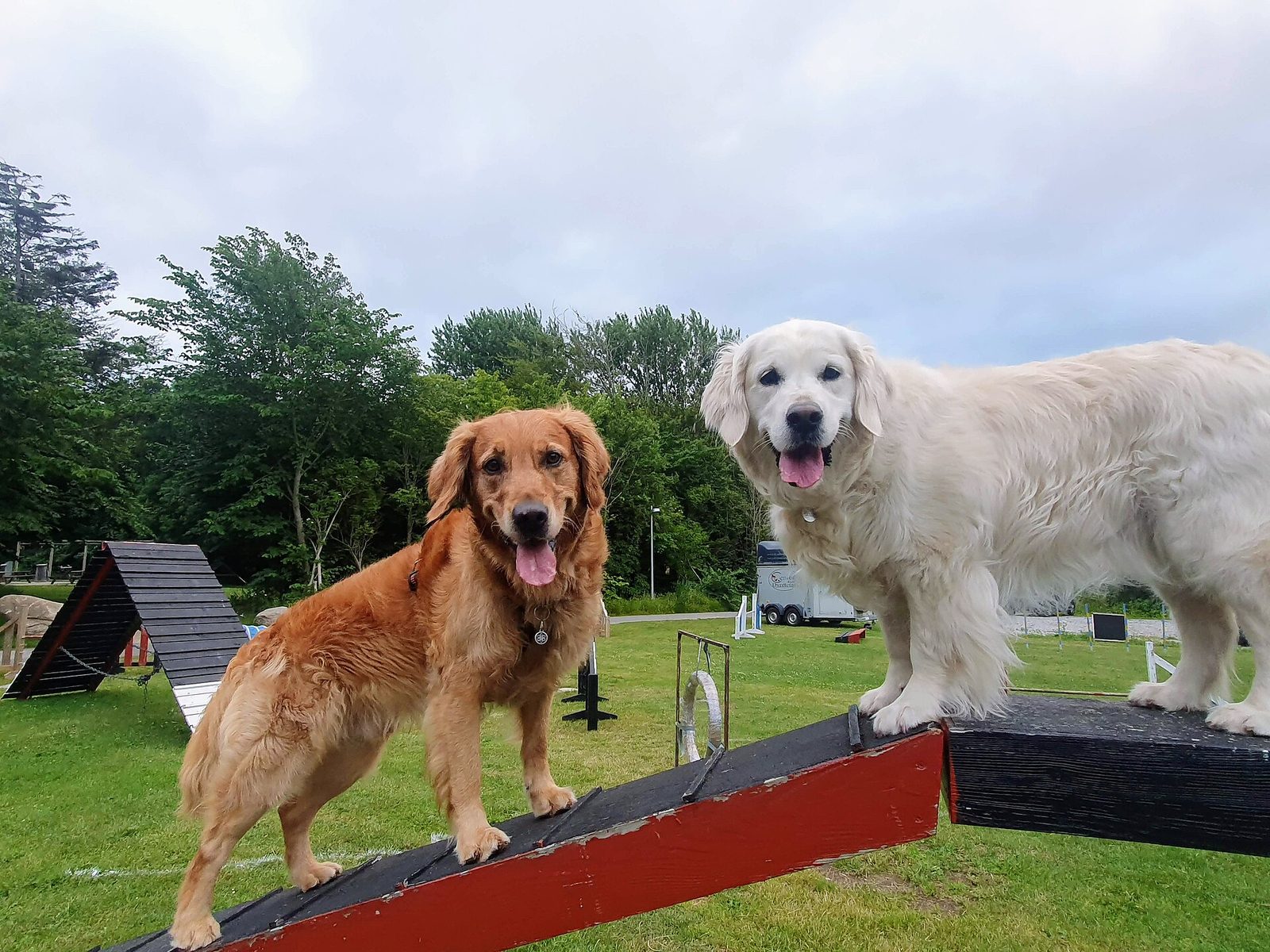
If your dog trembles at loud noises, hides when strangers visit, or seems to shrink into themselves on walks, you already know how hard it is to watch. Recognising anxious dog symptoms early is one of the kindest things you can do — because the sooner you understand what your dog is telling you, the sooner you can help them feel safe again. This guide walks you through what to look for and, more importantly, how to gently build your dog's confidence at a pace that actually works.
How to Spot Anxious Dog Symptoms
Dogs communicate anxiety through body language long before they reach a breaking point. Learning to read the early, subtle signals means you can step in before your dog feels overwhelmed.
Subtle early signs
- Yawning or lip-licking when nothing edible is nearby
- Turning their head away or showing the whites of their eyes (sometimes called "whale eye")
- Ears pinned back or held low
- A tucked tail or lowered body posture
- Excessive shedding or panting in a calm environment
More obvious signs
- Pacing or inability to settle
- Barking, whining, or howling in response to triggers
- Destructive behaviour when left alone
- Refusing food — even a food-motivated dog may stop eating when anxious
- Attempts to hide or escape
Anxious dog symptoms can look different from dog to dog. Some dogs become very still and shut down; others become hyperactive and frantic. Both responses are worth taking seriously.
Why Force-Free Methods Work Best for Anxious Dogs
Anxiety is rooted in how a dog feels — and feelings respond to experience. When your dog repeatedly encounters something scary and nothing bad happens plus something good happens instead, their brain gradually updates its prediction. This is the science of counter-conditioning and desensitisation in plain language.
Aversive tools or corrections add more unpleasant experiences to a dog that is already struggling. At best, they suppress visible symptoms without changing the underlying emotional state. At worst, they make anxiety significantly worse. Reward-based methods work with your dog's nervous system, not against it.
A Step-by-Step Confidence-Building Plan
Step 1 — Identify your dog's specific triggers
Keep a simple diary for a week. Note what your dog reacted to, how intensely, and where you were. Common triggers include strangers, other dogs, traffic noise, being left alone, and sudden movements. Patterns will emerge, and patterns tell you where to start.
Step 2 — Find your dog's threshold
"Threshold" means the distance or intensity at which your dog notices a trigger but is not yet overwhelmed. A dog under threshold can still take treats, make eye contact, and respond to cues. Over threshold, they cannot — and training in that state teaches nothing useful. Your job is to work below threshold consistently.
If your dog tenses up at strangers from five metres away, start at ten. You can always move closer gradually.
Step 3 — Pair the trigger with good things (counter-conditioning)
The moment your dog notices the trigger — and before any anxious response begins — deliver high-value treats steadily. The trigger predicts good things now, not bad feelings. Keep sessions short. End before your dog becomes tired or stressed.
Step 4 — Decrease distance or intensity very gradually (desensitisation)
Only move closer to, or increase the intensity of, a trigger when your dog is relaxed and happy at the current level — not just tolerating it. Progress that feels slow is progress that sticks. Rushing this step is the most common reason the method seems not to work.
Step 5 — Build a calm, predictable daily routine
Anxious dogs thrive on predictability. Regular feeding times, consistent walk routes (at least while building confidence), and a quiet space where your dog can retreat all reduce background stress. Think of it as lowering the baseline so each individual trigger feels less enormous.
Step 6 — Teach an active relaxation cue
Settle training — rewarding your dog for lying calmly on a mat — gives anxiety a physical opposite to work against. Start this in a completely calm environment with no triggers present. Over time, a dog who knows how to settle on cue has a tool they can use when things feel difficult.
When to Involve a Professional
If anxious dog symptoms are severe, long-standing, or involve aggression, a qualified clinical animal behaviourist or veterinary behaviourist can create a tailored plan. Your vet can also rule out any medical reasons for the anxiety and discuss whether medication might support the behaviour work.
Our structured training programmes are designed to complement this kind of gradual, reward-based approach — building your skills alongside your dog's confidence.
Not sure where your dog's anxiety sits or which area to tackle first? Our free 60-second quiz can help point you in the right direction.
Anxious dog symptoms are a signal, not a flaw — and with patience, the right methods, and a little time, most dogs can learn that the world is a much safer place than they once believed.
Struggling with the same thing?
Take the free 60-second quiz and get a science-based plan — results sent straight to your inbox.
Take the quiz →Prefer to read first? Grab the free 20-page guide →