
Adopted Dog Behavior Problems: A Complete Guide
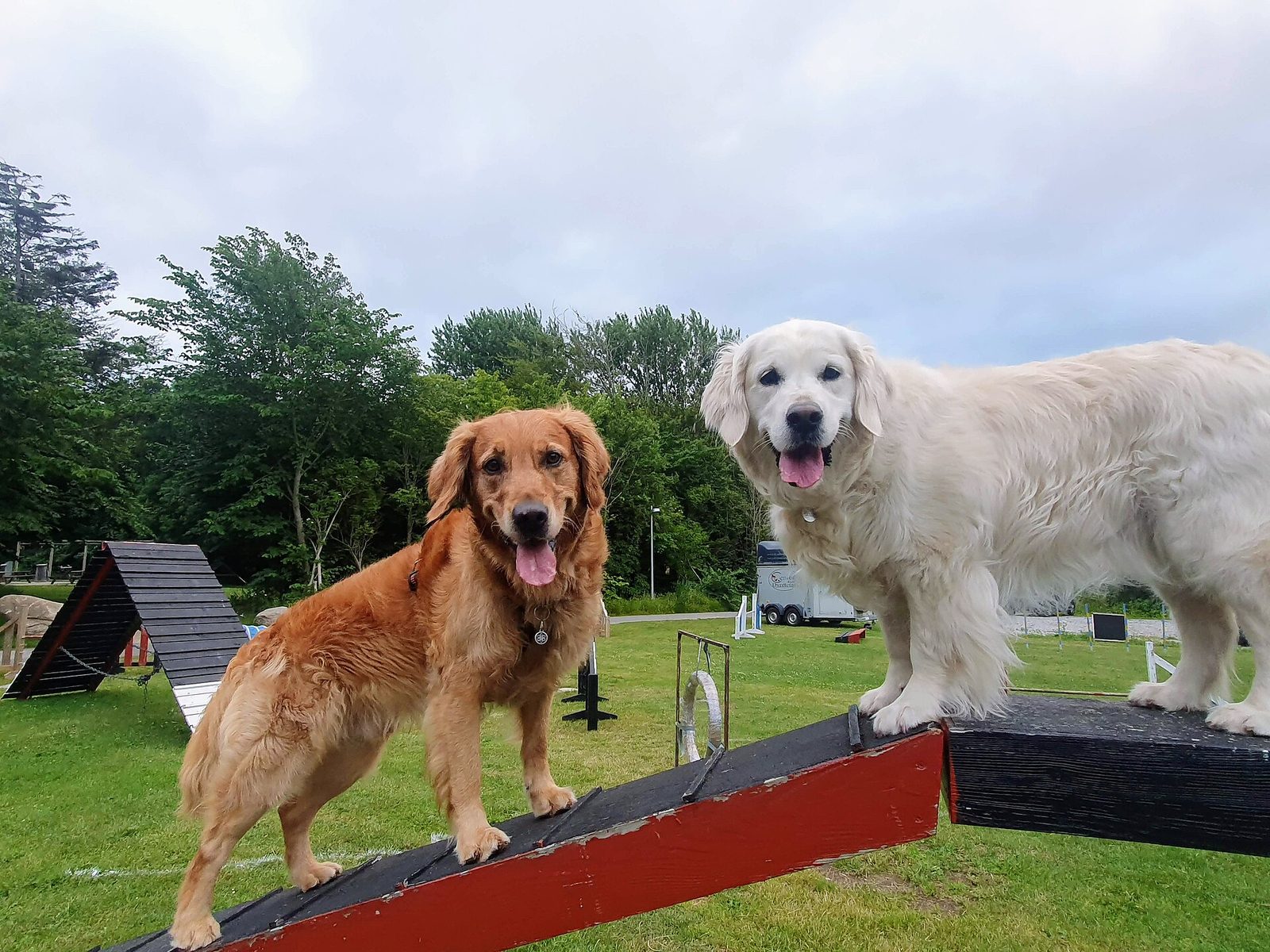
Bringing home a rescue dog is one of the most exciting — and sometimes unexpectedly challenging — things you can do. Many owners are surprised to discover that their new dog seems anxious, reactive, destructive, or withdrawn in the first days or weeks. If you're navigating adopted dog behavior problems right now, you're not alone, and you haven't done anything wrong. The good news is that most of these behaviors are a completely normal response to an enormous life change, and with patience and the right approach, they tend to improve steadily.
Why Adopted Dogs Behave Differently at First
Before diving into solutions, it helps to understand what's actually going on inside your dog's head. Dogs learn through their environment: they notice what's safe, what's unpredictable, and what gets them good things. A rescue dog has usually come from a shelter, a foster home, or a previous household — sometimes all three. Their entire world has just shifted again.
Until your dog learns that your home is calm and predictable, their nervous system is essentially on high alert. That's not a character flaw; it's survival. Many common adopted dog behavior problems — including house-training regressions, clinginess, jumping, barking, and reactivity on leash — ease significantly once your dog builds genuine confidence in their new environment.
Start With Structure, Not Rules
Structure doesn't mean strict discipline. It means giving your dog a predictable daily rhythm so they can start to relax.
Keep a simple daily routine
Feed, walk, and settle your dog at roughly the same times each day. Predictability is genuinely calming for dogs because it removes uncertainty. When your dog knows what to expect next, they stop scanning for threats and start relaxing.
Give your dog a safe space
Set up a quiet spot — a crate with the door left open, a bed in a low-traffic corner — where your dog can decompress. Let them choose to go there rather than sending them away. Covering a crate with a blanket can make it feel more den-like and secure.
Limit overwhelming introductions early on
Hold off on busy social events, dog parks, and long car trips for the first couple of weeks. Let your dog get comfortable with you before they have to navigate the wider world.
Addressing Specific Adopted Dog Behavior Problems
House-training regressions
Even a previously house-trained dog may have accidents after adoption. Take them outside frequently, calmly praise and reward them the moment they toilet outside, and quietly clean up indoor accidents without reacting. Going back to basics — frequent outdoor trips, gentle timing, and consistent positive reinforcement — nearly always resolves this within a few weeks.
Jumping up
Jumping is almost always a dog's enthusiastic bid for attention. Rather than pushing them away (which is still physical interaction and can accidentally reward the behavior), try turning away calmly the moment all four paws leave the floor. When they settle, turn back and quietly reward with attention or a treat. Dogs repeat what works; once jumping consistently produces nothing and calm standing consistently produces good things, they shift.
Excessive barking or whining
First, figure out what your dog is communicating. Are they anxious when left alone? Overstimulated by windows? Asking for something? Each type has a slightly different approach, but the underlying principle is the same: reward quiet, calm behavior generously and proactively, rather than waiting until the barking starts and then reacting. If separation anxiety is significant, working with a reward-based training program gives you structured support.
Reactivity on leash
Reactive dogs aren't aggressive by nature — they're often anxious, overstimulated, or under-socialised. The most effective approach is to keep distance from triggers your dog finds difficult, reward them heavily for noticing the trigger and then looking back at you, and very gradually reduce the distance over many sessions. Progress is measured in tiny steps, and that's exactly right.
Resource guarding
If your dog growls over food, toys, or resting spots, the instinct to correct them can be strong — but punishment escalates guarding rather than resolving it. Instead, practice approaching your dog near resources and tossing a high-value treat nearby as you pass. Over time, your presence near their things predicts good things happening, and guarding fades.
Build Confidence Through Positive Training
One of the most powerful things you can do for any adopted dog is teach them that they can influence their world in good ways. Reward-based training — even just a few minutes a day of simple cues like sit, hand touch, or name recognition — builds genuine confidence because it shows your dog their choices lead to positive outcomes. Not sure where to start? Our dog training programs are built around exactly this principle.
If you're unsure which adopted dog behavior problems are most pressing for your individual dog, it's worth taking the free 60-second quiz on our homepage to get a more tailored starting point.
Every dog who lands in a new home is doing their best with a new set of rules they haven't learned yet — and so are you.
Struggling with the same thing?
Take the free 60-second quiz and get a science-based plan — results sent straight to your inbox.
Take the quiz →Prefer to read first? Grab the free 20-page guide →