
A2 Separation: A Complete Guide
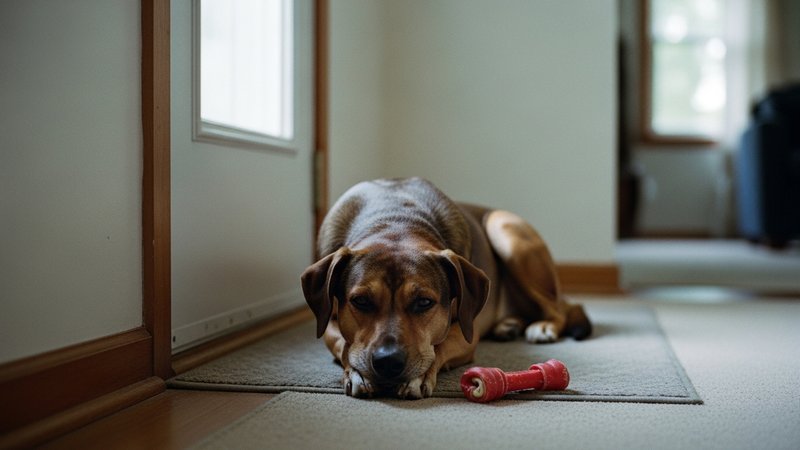
If your dog struggles when separated from you — whether that means whining at a closed door, pacing when you leave the room, or full-blown distress when you head out for the day — you are far from alone. A2 separation is one of the most common challenges dog owners bring to trainers, and the good news is that with a patient, reward-based approach, most dogs can learn to feel genuinely comfortable spending time apart from their favourite humans.
This guide walks you through exactly how to do that, step by step.
What Is A2 Separation, and Why Does It Happen?
A2 separation refers to the difficulty dogs experience when separated from their owner or primary attachment figure — even briefly. It exists on a spectrum. Some dogs are mildly clingy and unsettled; others experience significant distress that affects their wellbeing and daily life.
Dogs are social animals, and attachment to their people is completely natural. The challenge arises when a dog has never learned that being alone is safe — that good things still happen, that you will always return, and that calm behaviour is worth their while. Rather than a personality flaw or a sign of a "bad" dog, separation difficulty is simply a gap in their learning history. That means it can be filled.
Before You Start: Set the Scene for Success
Rule Out Medical Causes First
Sudden changes in how a dog copes with being alone can sometimes signal an underlying health issue. If the behaviour has appeared quickly or changed in character, a vet check is a sensible first step.
Gather Your Tools
You will need:
- High-value treats — small, soft, and something your dog genuinely loves
- A calm, safe confinement space if you are using one (a crate, a gated room, or a pen)
- A food-dispensing toy such as a stuffed Kong or a lick mat
- Time and patience — this process cannot be rushed
Step 1: Build a Positive Association with "Alone Time"
The foundation of working through A2 separation is classical conditioning — teaching your dog's brain to link being alone with something pleasant, before any real separation even happens.
Start by simply approaching your dog's alone space, dropping a treat inside, and walking away. Repeat this many times across several days until your dog starts moving eagerly toward that space. You are not asking for anything yet; you are just changing how the space feels.
Step 2: Practice Very Short Separations
Once your dog is comfortable near their alone space, begin stepping away — just a metre or two — and immediately returning with calm praise and a treat. The key word here is immediately. You are rewarding relaxed behaviour before distress has any chance to build.
Sub-steps to follow:
- Step one pace away, return, reward calm behaviour
- Gradually increase distance over several short sessions
- Add a closed door — even for just a second — then return and reward
- Slowly extend the duration behind the door, always returning before your dog becomes unsettled
If your dog shows signs of stress at any point — whining, scratching, panting — you have moved too quickly. Simply go back to the last stage where they were comfortable. There is no failure here, only information.
Step 3: Introduce a Departure Cue and a "Bridge" to Keep Them Busy
Choose a calm, consistent phrase you use every time you leave — something like "back soon." Over time, this cue becomes a reliable signal that you will return, which helps reduce anticipatory anxiety.
Pair departures with a long-lasting food toy. A stuffed lick mat or frozen Kong gives your dog something positive to focus on and helps them associate your leaving with something they actually enjoy. Many dogs will barely notice a short departure once they are engrossed in their food toy.
Step 4: Build Duration Gradually and Inconsistently
As your dog becomes comfortable with short separations, begin varying the duration rather than always extending it in a straight line. Mix in very short absences alongside slightly longer ones. This unpredictability is important: it prevents your dog from becoming sensitised to a particular length of time, and it keeps the whole experience feeling manageable.
A well-structured training programme can make this process much clearer and easier to stick to. Our reward-based programmes are built around exactly this kind of gradual, science-informed progression.
Not sure where your dog currently sits on the separation difficulty spectrum? The free 60-second quiz on the homepage can help you figure out the right starting point.
When Progress Feels Slow
Some dogs, particularly those with a longer history of distress, benefit from professional support alongside home practice. A certified, force-free behaviourist can observe what is happening and tailor the approach. Progress may feel slow, but every small step your dog takes toward feeling safe alone is genuinely meaningful.
Working through A2 separation takes consistency and kindness — but with the right approach, your dog can learn that time apart is something they can handle with ease.
Struggling with the same thing?
Take the free 60-second quiz and get a science-based plan — results sent straight to your inbox.
Take the quiz →Prefer to read first? Grab the free 20-page guide →