
30 Day Dog Trick Challenge: A Complete Guide
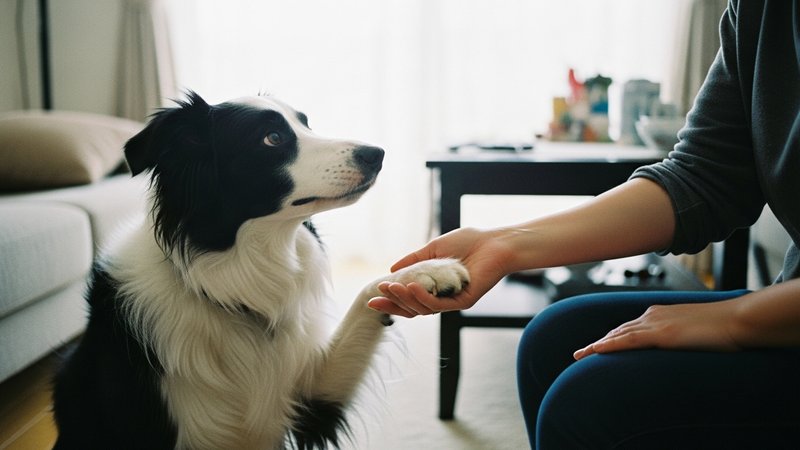
Whether your dog already knows a handful of cues or is brand new to formal training, the idea of a 30 day dog trick challenge can feel both exciting and a little overwhelming. Where do you start? How do you keep momentum? And what do you do when your dog just stares at you like you've lost your mind?
The good news: short, consistent, reward-based sessions are exactly how dogs learn best — and a month-long challenge is a beautifully natural fit for that rhythm. This guide walks you through everything you need, from choosing your first trick to finishing the month on a high.
Why a 30 Day Structure Works So Well
Dogs learn through repetition and association. When a behaviour reliably produces something the dog loves — a treat, a game, a bit of praise — they're motivated to repeat it. Short daily sessions keep that association fresh without pushing your dog's concentration past its natural limit.
A 30 day dog trick challenge also works brilliantly for you. Committing to something small and daily builds a training habit far more effectively than occasional longer sessions. By the end of the month, structured mini-sessions often feel automatic — and your dog will start reminding you it's time.
Before You Begin: Set Yourself Up for Success
Choose your rewards wisely
Find out what your dog finds genuinely exciting. For many dogs it's small, soft, smelly treats. For others it's a brief game of tug or a favourite toy. The reward doesn't have to be food — it just has to matter to your dog.
Keep sessions short
Aim for two to five minutes per session, ideally two or three times a day. Dogs retain new information better across multiple short sessions than one long one. If your dog starts losing focus or getting frustrated, that's a clear signal to wrap up with something easy they already know, reward generously, and call it done.
Have a loose plan
Write down five to ten tricks you'd like to work towards over the month. Rank them roughly from easiest to most complex. This gives you direction without locking you in — flexibility is fine.
The 30 Day Dog Trick Challenge: Week by Week
Week One — Foundation Skills
Start with something achievable. If your dog doesn't know sit reliably, that's your week-one trick. If they do, try down, touch (nose to hand), or stay for a few seconds. Foundation behaviours are the building blocks for almost everything else — and nailing them early builds confidence in both of you.
Lure with a treat if needed (hold it near your dog's nose and guide the motion), then reward the moment the behaviour happens. After a few successful repetitions, begin fading the lure so the dog learns to respond to your hand signal or verbal cue rather than following food.
Week Two — Add Something New
Introduce one or two new tricks mid-week. Good options at this stage: spin, paw/shake, or go to your mat. Keep revisiting week-one skills briefly at the start of each session — a quick review of known behaviours warms up your dog and produces easy wins that put them in a receptive mood.
Week Three — Chain Behaviours Together
Once your dog has a handful of individual cues on board, you can start linking them. Ask for sit, then paw, then spin in sequence. This is called behaviour chaining, and it's genuinely satisfying to watch unfold. Keep the reward at the end of the chain, but use enthusiastic praise and encouragement throughout to keep energy up.
Week Four — Proof and Polish
Take the tricks you've built and practise them in slightly different locations, with mild distractions present. This is called generalisation — helping your dog understand that sit means sit in the kitchen, the garden, and on a walk, not just in one specific spot. Go slowly, lower your expectations slightly when the environment changes, and reward generously for effort.
Handling Tricky Days
Some days your dog won't engage, or a trick just won't click. This is completely normal. If you've tried a new behaviour several times without success, break it into a smaller step — reward a rough approximation, then gradually shape it closer to the finished picture. This shaping approach, rewarding successive attempts that get closer to the goal, is one of the most powerful tools in positive training.
If your dog seems tired or distracted, switch to something familiar and end on a win. No session should end in frustration for either of you.
Take It Further
If the 30 day dog trick challenge leaves you wanting more structure, our training programmes are built on exactly the same reward-based principles — with step-by-step guidance for every level. Not sure where your dog would fit best? Take the free 60-second quiz on the homepage to find the right starting point.
A month of short, joyful sessions won't just teach your dog new tricks — it builds the kind of communication and trust that makes every part of life with your dog a little easier.
Struggling with the same thing?
Take the free 60-second quiz and get a science-based plan — results sent straight to your inbox.
Take the quiz →Prefer to read first? Grab the free 20-page guide →