
15 Minute Nose Work Activity: A Complete Guide
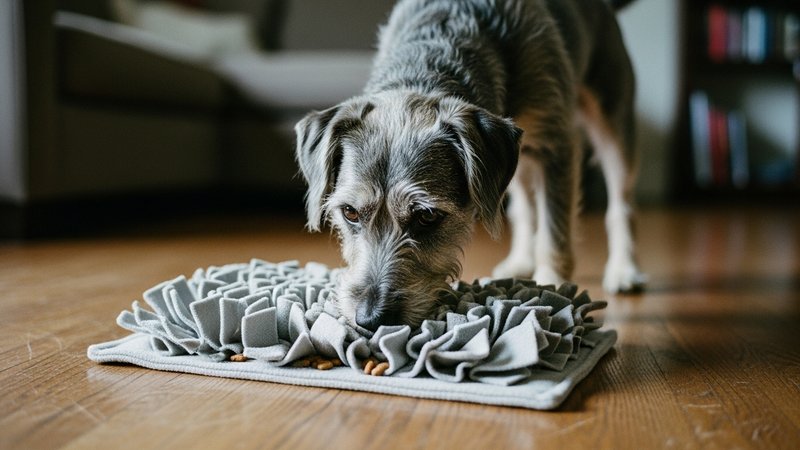
If your dog seems restless, bored, or just needs a genuine outlet that doesn't involve a long walk, you're not alone — and you're in the right place. A 15 minute nose work activity is one of the most satisfying things you can offer a dog of any age, breed, or energy level. It taps into something dogs are wired to do: use their extraordinary sense of smell to find things. The best part? You need almost nothing to get started.
Why Nose Work Works So Well
Dogs experience the world primarily through scent. When you give your dog a structured sniffing task, you're engaging the part of their brain that genuinely wants to work. Research into canine cognition consistently shows that mental effort — real problem-solving — leaves dogs calmer and more satisfied than physical exercise alone. A short, well-structured 15 minute nose work activity can do more for a restless dog than a longer, aimless walk.
It also builds confidence. Dogs who are shy, anxious, or reactive often thrive in nose work because the task is self-directed — they're in control, they succeed regularly, and the rewards feel earned. That sense of agency matters enormously for dogs who find the world a bit overwhelming.
What You'll Need
- A handful of your dog's favourite small treats (soft, smelly ones work best)
- Three to five identical containers — cardboard boxes, muffin tins, or plastic cups all work
- A quiet room or garden with minimal distractions
- About 15 minutes
That's genuinely it. No specialist kit required.
Your 15 Minute Nose Work Activity: Step by Step
Step 1 — Warm Up With a Scatter Search (2–3 Minutes)
Before introducing containers, let your dog find a few treats scattered on the floor or grass. Toss five or six pieces of food into a small area, say "find it" in a cheerful voice, and let them work. This activates their scenting mode and signals that good things are about to happen. It's also a low-stakes way for shy dogs to settle in.
Step 2 — Introduce the Boxes (3–4 Minutes)
Place three containers upside down on the floor, spaced a metre or so apart. While your dog watches, hide a treat under just one box, then calmly invite them to investigate. When they nose or paw at the correct box, immediately lift it and let them take the treat. Don't guide or lure — let them work it out. The moment of discovery is the reward, so resist the urge to point or hint.
As they get confident, begin hiding the treat without them watching. Start easy and keep success rates high. Dogs learn fastest when they're getting things right often, not when they're repeatedly frustrated.
Step 3 — Add Complexity Gradually (4–5 Minutes)
Once your dog is reliably finding the treat across three containers, add a couple more boxes. You can also start placing treats slightly inside a container rather than right at the opening, making the airflow slightly trickier to follow. Increase the challenge slowly — a good rule of thumb is to only make things harder when your dog is finding the source quickly and confidently.
If they're struggling, simply make it easier again. There's no failure here, just feedback. Adjusting the difficulty in the moment is part of what makes this kind of training so effective.
Step 4 — Try a Different Hide Location (2–3 Minutes)
Towards the end of your session, move the search to a slightly different space — another room, outside, or even a hallway. The change of environment adds a layer of novelty without requiring any new equipment. Dogs generalise skills better when they've practised them in more than one place, so even small location changes are genuinely useful.
Step 5 — End on a Win (1–2 Minutes)
Finish every session with an easy hide your dog can find quickly. End on success. This keeps the activity feeling positive and ensures your dog is keen to do it again next time. Say something like "all done" in a consistent, cheerful way so they know the session is over and can relax.
A Few Tips to Keep It Going
- Keep sessions to around 15 minutes. Nose work is genuinely tiring. Shorter and more frequent is better than long and depleting.
- Use their daily food allowance as your treat supply if your dog is food-motivated — it works beautifully and keeps calories balanced.
- Don't repeat "find it" over and over. Say the cue once and let them work.
- Watch for the tail, not the nose. A dog deep in sniff mode often goes quiet and still — that focus is a great sign they're engaged.
If you'd like more structured support, our reward-based training programmes can help you build on skills like this in a way that suits your dog's individual personality and learning pace. You might also enjoy taking the free 60-second quiz on the homepage to find the best starting point for your dog.
A single 15 minute nose work activity each day can transform a bored, restless dog into a calmer, more confident one — and it's one of the simplest gifts you can give them.
Struggling with the same thing?
Take the free 60-second quiz and get a science-based plan — results sent straight to your inbox.
Take the quiz →Prefer to read first? Grab the free 20-page guide →